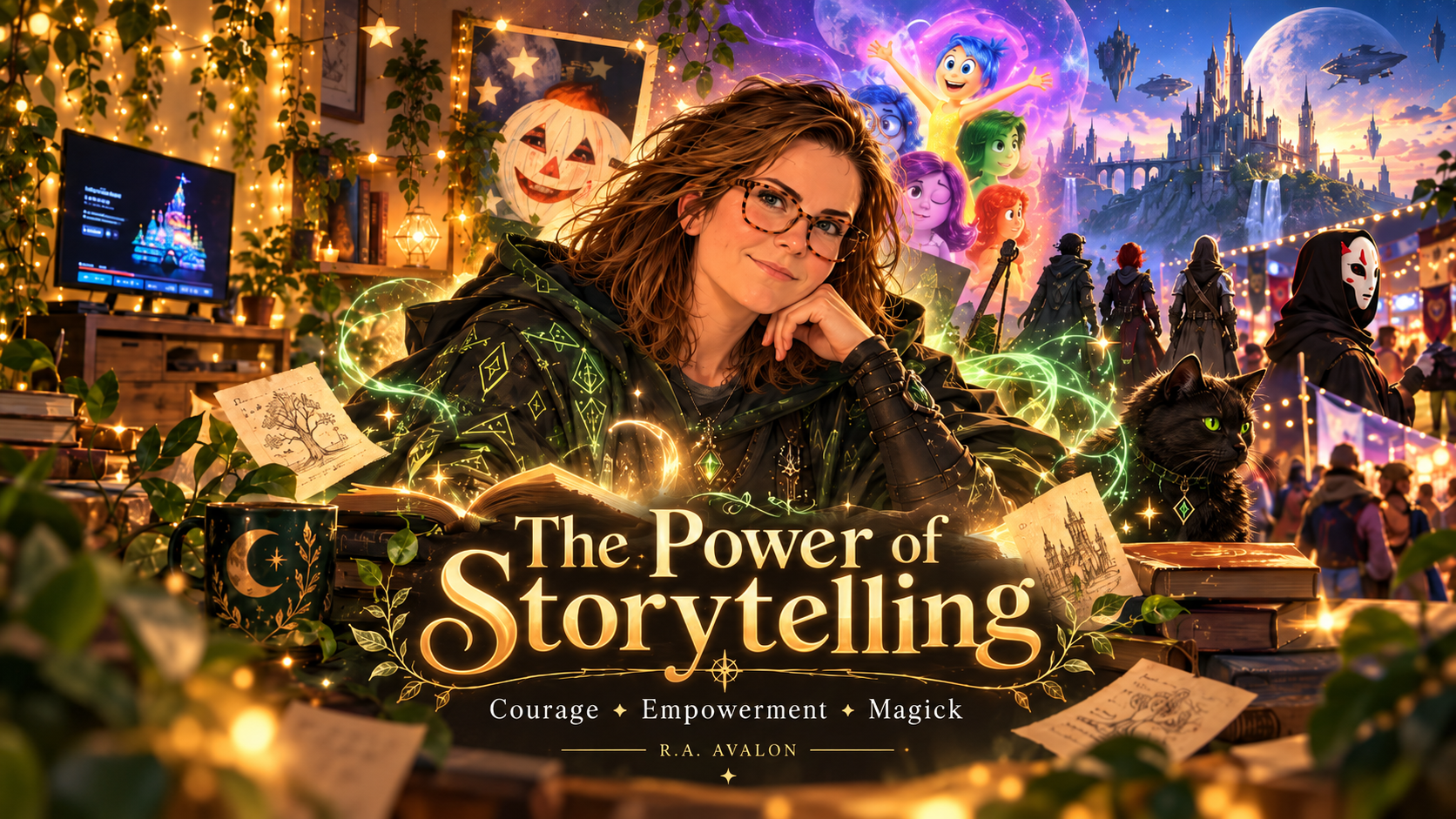
What began as a search for the secrets behind great storytelling became a personal journey through childhood memories, creativity, empowerment and the desire to inspire a kinder tomorrow.
Every Story Has a Beginning. So Does This One.
When I started writing this article, I wanted to understand the power of storytelling. I had a fairly straightforward question in mind:
What makes a story truly great and compelling?
I wanted to explore the ingredients behind unforgettable storytelling. The Hero’s Journey, character archetypes, narrative structure, story beats, emotional highlights, the troubling moments when everything seems lost, and the revelations that bring everything together.
What makes audiences fall in love with fictional characters? Why do some stories remain with us for decades while others fade almost immediately?
And what is that invisible red thread connecting everything?
I began looking for answers in the stories that inspired generations. From The Lord of the Rings and The Wizard of Oz to Jurassic Park, Titanic and Avatar.
But somewhere along the way, this article took an unexpected turn.
The more I explored what made stories meaningful, the more I found myself reflecting on why storytelling mattered so much to me in the first place.
And sometimes, to understand where something is going, you first need to look at where it all started.
For me, that meant returning to my childhood.
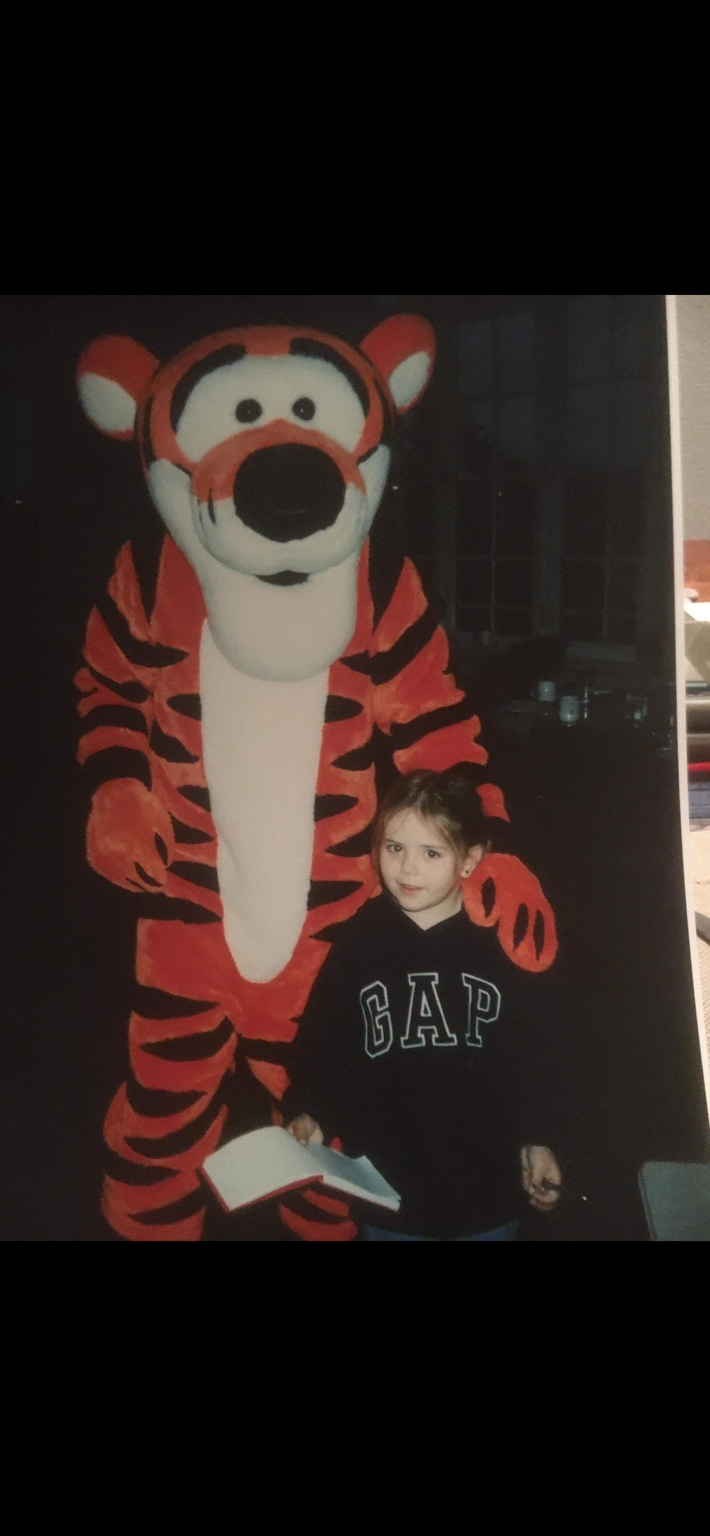
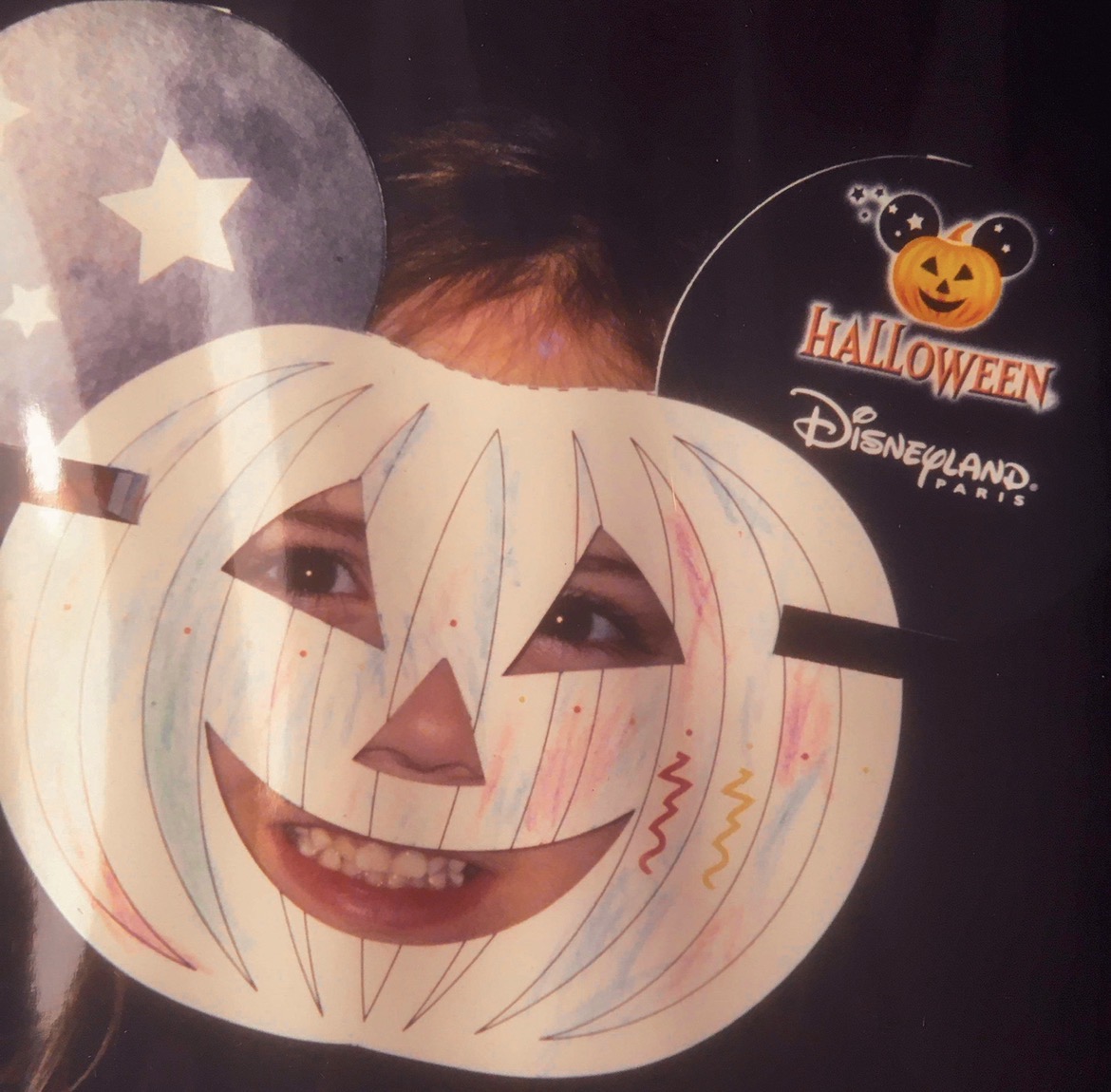
Once Upon a Time, I Was the Audience
Long before I began writing novels, creating fictional worlds and developing characters of my own, I was a child who grew up with Disney.
Like many others, I found myself captivated by the music, characters, adventures and extraordinary worlds appearing on the screen.
I loved the magic of it all.
Yet looking back, I realise something else was happening.
I wasn’t simply watching stories. I was learning from them.
Stories introduced me to emotions, different personalities, unfamiliar cultures and difficult decisions. They taught me about friendship, loyalty, sacrifice, injustice and the importance of standing up for what you believe in.
As I grew older, my interests expanded into literature, mythology, films, video games and roleplaying communities.
Eventually, I became fascinated not only by the stories themselves, but by the minds behind them.
How did someone imagine an entire fictional universe? What made a character unforgettable? Why could something fictional affect us so profoundly?
Somewhere along the way, I stopped being only a spectator.
I became a storyteller.
And that journey continues to shape how I understand creativity, technology and the people around me.
The Invisible Thread Behind Every Great Story
What makes a story truly unforgettable?
A spectacular setting? An unexpected revelation? A character we recognise parts of ourselves in?
I believe the answer lies in the invisible thread connecting these elements.
Joseph Campbell explored this idea through the Hero’s Journey, a narrative pattern in which an ordinary individual is called beyond familiar surroundings, faces adversity, undergoes transformation and returns changed.
Not every story follows this structure, but many share its underlying principle.
A meaningful story does not simply change the world around its characters. It changes something within them.
Consider The Lord of the Rings.
Frodo begins as an ordinary Hobbit, hardly someone we would imagine carrying the fate of Middle-earth.
Yet he accepts an extraordinary burden.
His journey tests his endurance, loyalty, compassion and ultimately his ability to resist something more powerful than himself.
And importantly, he does not emerge untouched by his experiences.
His story reminds us that courage comes with vulnerability and that even heroes cannot overcome everything alone.
In The Wizard of Oz, Dorothy and her companions search for qualities they believe they lack: intelligence, compassion and courage.
Yet their journey repeatedly reveals that these qualities already exist within them.
The revelation works because the audience has witnessed their growth long before the characters recognise it themselves.
That is the beauty of meaningful storytelling.
Sometimes the greatest discovery is not a treasure, destination or victory.
It is discovering who you have become along the way.
The Moments That Make a Story Matter
Great storytelling understands emotional contrast.
Wonder becomes more meaningful when followed by uncertainty. Victory matters because failure was possible.
A revelation becomes powerful because we understand what a character has sacrificed to reach it.
In The Sound of Music, Maria’s journey explores belonging, love and moral courage. What begins as a search for her place in the world develops into a willingness to protect her family against a dangerous political reality.
In Jurassic Park, the spectacle of dinosaurs introduces deeper questions about scientific responsibility, humanity’s desire for control and the consequences of ignoring warnings.
Avatar explores belonging and transformation as Jake Sully gradually questions his assumptions about identity, loyalty and the world he has entered.
And Titanic offers more than a tragic romance. Rose’s journey is also about reclaiming autonomy and refusing to accept a life entirely determined by other people.
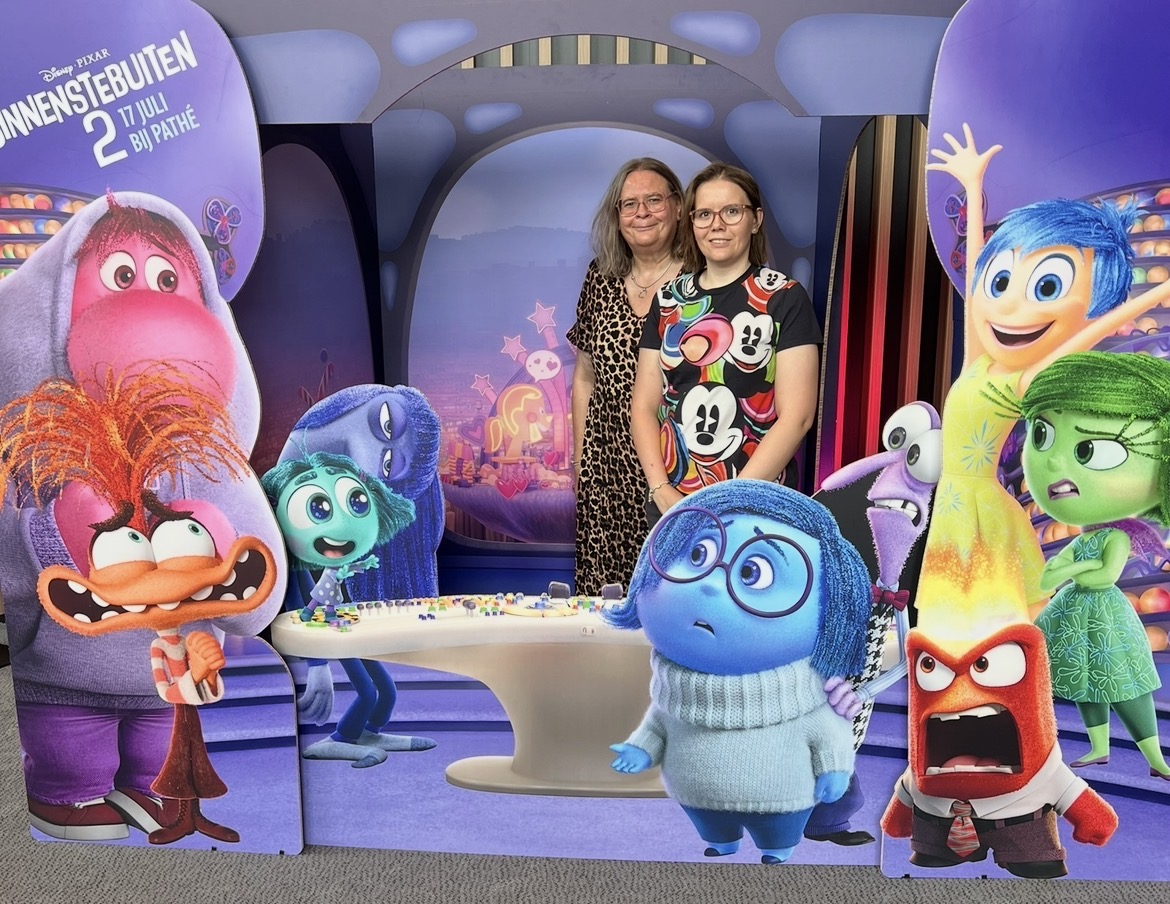
These stories are remarkably different.
Yet each contains defining moments when characters must make choices that reveal who they truly are.
As a writer, those are the moments I love exploring.
The troubling moment when everything appears lost. The confrontation with one’s own fears. The revelation that changes how we understand everything that came before.
A story’s climax does not always require an enormous battle.
Sometimes it is a single decision.
And that decision changes everything.
Why Fiction Works: A Place for Everyone
Perhaps the most wonderful thing about fiction is its ability to bring together people who might otherwise have very little in common.
A child watching Inside Out might recognise a feeling they have not yet found the words to describe. An adult watching the same film might recognise something they have spent years learning to understand. Neither sees precisely the same story, yet both can find something meaningful within it.
We arrive at stories with different ages, cultures, languages, beliefs, abilities, identities and life experiences. We do not have to share those backgrounds to recognise familiar emotions: hope, loneliness, joy, grief, fear, or the desire to belong.
That is why diversity matters in storytelling. Seeing someone like ourselves can help us feel understood. Encountering someone unlike ourselves can expand our understanding of others. Fiction gives us a way to explore perspectives we may never encounter in our everyday lives.
I believe a great story should have the capacity to resonate across generations and backgrounds. That does not mean every story must appeal to every person, or that we all need to take away the same message. In fact, the differences in what we recognise are part of what makes storytelling so rich.
Sometimes the more specific and authentic a character’s experiences are, the more compelling the invitation to understand them becomes.
You do not need to have lived someone’s life to recognise something human in their story.
Perhaps that is why fiction works so beautifully: it allows us to celebrate our differences while reminding us of what connects us.
Empowerment: Becoming Fearless Enough to Discover Your Own Strength
One element fascinates me more than almost anything else in character development: empowerment.
Not empowerment as the simple accumulation of power, wealth, influence or extraordinary abilities.
But empowerment as the process of discovering your own agency.
The courage to question expectations. To recognise manipulation. To establish boundaries. To accept vulnerability without allowing it to define your entire identity.
I recently explored this in my article, The Women Who Redefined Strength in Fiction.
The characters I discussed are not necessarily inspiring because they are invincible.
Quite the opposite.
Ahsoka Tano walks away from the Jedi Order after discovering that loyalty to an institution and loyalty to one’s principles are not always the same thing.
Katniss Everdeen challenges the idea that replacing one oppressive ruler automatically produces a just society.
Korra struggles with trauma, vulnerability and the loss of the identity she once understood through physical strength. Her recovery is not immediate, and her eventual compassion becomes one of her greatest strengths.
And Venat, from Final Fantasy XIV, confronts the devastating reality that humanity cannot escape every hardship by retreating into an idealised past.
These characters inspire me because their journeys are complicated.
They make mistakes. They experience grief, betrayal, fear and uncertainty.
But their experiences force them to reconsider who they are and what truly matters.
Strength is not the absence of fear. It is the willingness to confront fear without surrendering your ability to choose.
I believe this applies beyond fiction.
Sometimes we become accustomed to expectations placed upon us by society, our workplaces, our communities or even ourselves.
We learn to behave in ways that make other people comfortable, occasionally at the expense of our individuality.
To discover our own strength, we sometimes need to be fearless enough to question the roles we have been assigned.
That can mean asking for help, leaving something familiar, standing up against injustice or simply accepting that being different does not mean being less capable.
And perhaps most importantly, we need to learn to believe in ourselves, even when we cannot yet see the strength we possess.
Empowerment is not always loud.
Sometimes its most powerful expression is someone quietly deciding to take ownership of their next chapter.
When Characters Step Beyond the Screen
My relationship with storytelling eventually became something much more active.
Through creating characters, participating in charity events and attending gaming gatherings with hundreds of roleplaying enthusiasts, I experienced how fiction could become something shared and tangible.
I loved bringing characters to life.
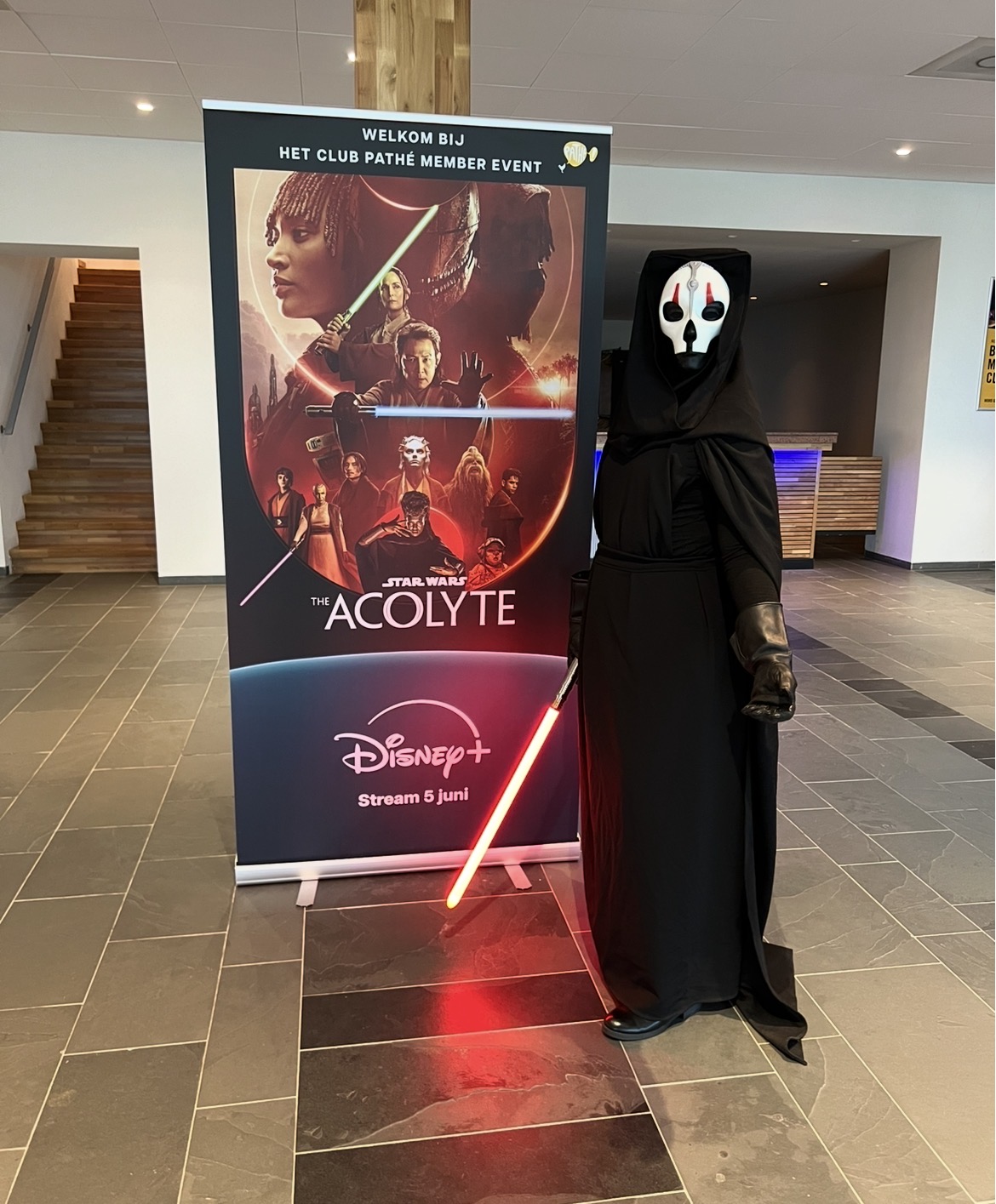
Not simply wearing a costume or portraying a personality, but watching how people responded when a fictional world suddenly became part of their own experience.
A character could make someone laugh, inspire curiosity, spark a conversation or create a wonderful memory.
At roleplaying events, people of different ages and backgrounds gathered around their shared enthusiasm for fictional universes. Some had followed those worlds for years; others were discovering them for the first time. No one had to arrive with the same story to share in the experience.
Together, they created friendships, adventures and experiences that could never have existed through a single storyteller alone.
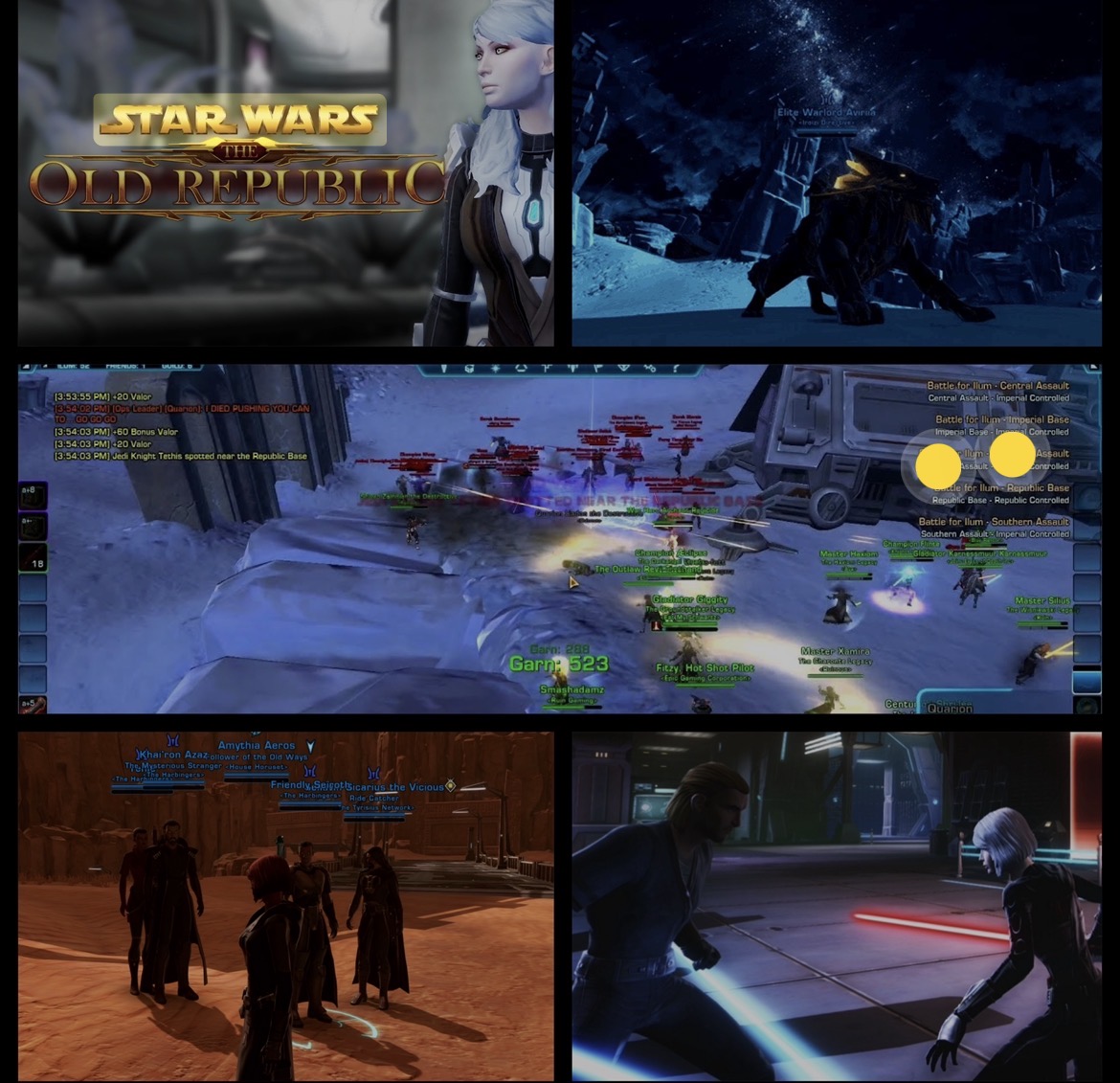
I have also reflected on the narrative experiences that shaped me in my farewell to BioWare’s storytelling.
It reminded me that storytelling is fundamentally a form of communication.
Characters become bridges between strangers.
And those bridges can inspire genuine human connections.
This experience shaped the way I approach writing my own novels and fictional worlds.
I don’t want characters who merely fulfil a convenient role within a plot.
I want characters with contradictions, motivations, insecurities, dreams and the potential to change.
Because people are complicated.
And fictional characters become interesting when we allow them to be complicated too.
Disney Worldbuilders: When Imagination Becomes Experience
Watching Leslie Iwerks’ 2026 documentary Disney Worldbuilders reminded me of something I have admired about Disney since childhood.
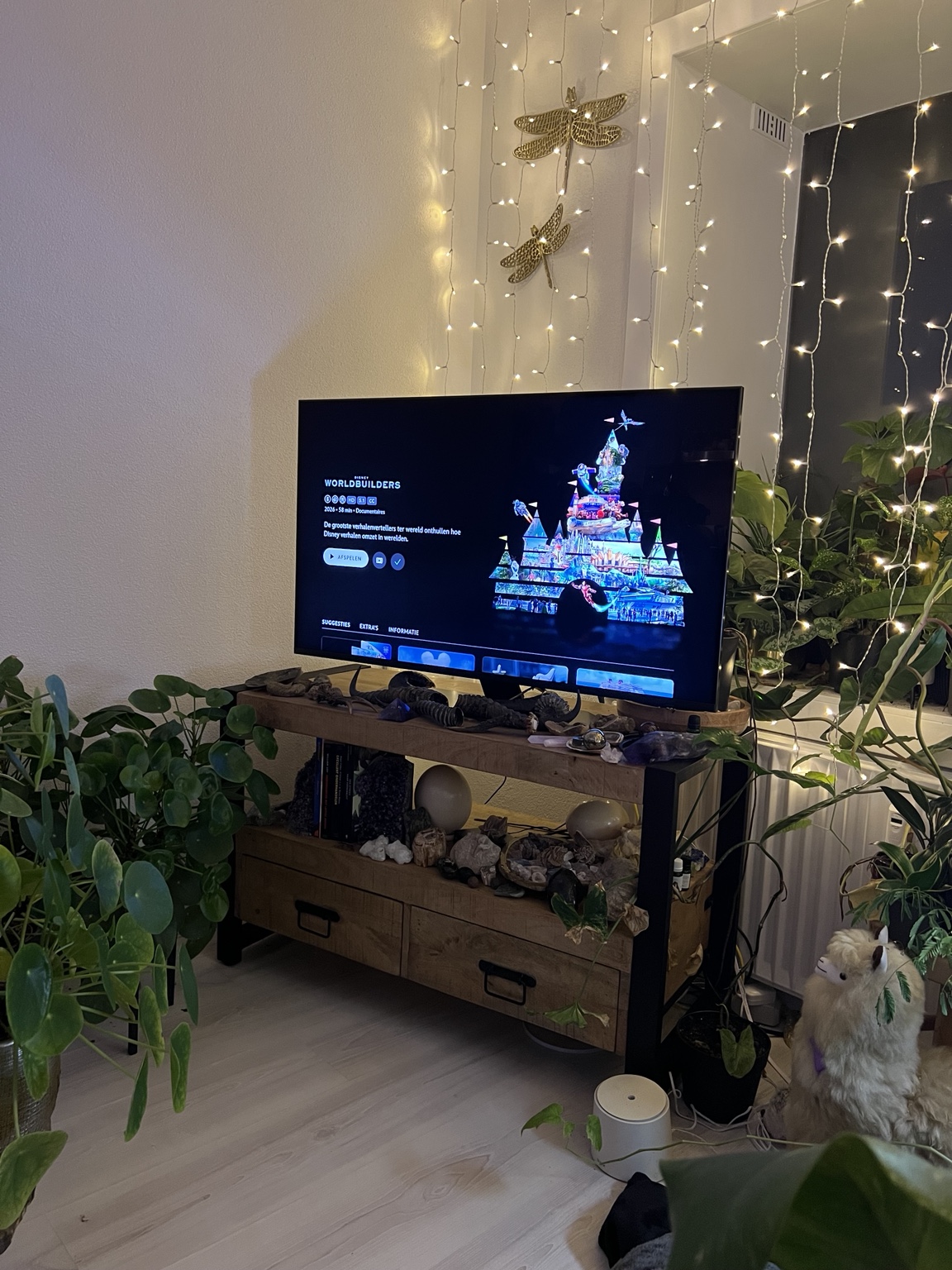
The ability to transform imagination into experiences that reach beyond their original medium.
Through conversations with creative minds behind Disney, Pixar, Marvel, Star Wars and Avatar, the documentary explores how personal inspiration can develop into stories, worlds and physical experiences.
A character imagined by a writer or artist can eventually become part of a film, an interactive adventure or an entire themed environment.
What once existed only in somebody’s imagination becomes something thousands, sometimes millions, of people can experience.
To me, that is extraordinary.
I also appreciate how storytelling continues to evolve alongside technology.
Traditional animation gave way to new digital possibilities. Video games introduced interactive choices. Modern filmmaking allows creators to visualise worlds that previous generations could barely imagine bringing to the screen.
Not every technological experiment improves a story, of course.
But innovation opens doors.
And the creative courage to explore those possibilities is something I deeply admire.
Having grown up with Disney, I find it inspiring to see how storytelling keeps adapting to new generations without entirely losing its emotional foundations.
The tools change.
The audience evolves.
But the desire to connect through imagination remains.
Building Bridges Between Storytelling, IT and Human Understanding
Perhaps one of the most interesting developments in my own journey is discovering how naturally my creative interests connect with my professional work.
My background lies in IT services, incident management and cybersecurity.
At first glance, these subjects might seem far removed from writing fantasy novels or analysing fictional characters.
But I increasingly see them as connected through one central element.
People.
Technology is designed, maintained and used by people. Cybersecurity measures influence human behaviour. Organisational cultures determine how individuals communicate, cooperate and respond when something goes wrong.
And behind almost every process are different perspectives, priorities, motivations and experiences.
Something I have learned is that having the correct technical information does not automatically mean someone will understand it.
A cybersecurity specialist might explain a vulnerability perfectly while the person listening has no idea what the consequences mean for their everyday life.
This is where storytelling becomes valuable.
A relatable example, a familiar situation or a carefully chosen metaphor can make an intimidating subject easier to understand.
Instead of simply telling people that something is dangerous, we can help them understand why it matters and what they can do about it.
That is empowerment through awareness.
And I believe the same principle extends to mental health, workplace culture and psychological safety.
We live in a world where people can be digitally connected almost constantly while still struggling to understand one another.
Information spreads rapidly. Assumptions form easily. Differences in experience, communication styles or personal circumstances can create misunderstandings.
Within organisations, employees may hesitate to raise concerns because they fear how others will respond.
Yet meaningful awareness begins with making room for those perspectives.
Stories allow us to explore difficult questions through characters and experiences.
Why does someone remain silent? What happens when people lose trust in a system? How does a person rebuild confidence after a difficult experience?
These are questions that matter in fiction, but also in real communities and workplaces.
Storytelling cannot replace professional mental healthcare, sound cybersecurity practices or responsible leadership.
However, it can make difficult conversations more accessible.
It can encourage empathy without demanding that we abandon critical thinking.
That is the bridge I want to help build: connecting IT, cybersecurity, mental health, digital culture and awareness through communication that remains understandable, practical and human.
I believe our increasingly digital society needs more of that.
Not merely additional warnings, policies or technological solutions, but people capable of translating complexity into understanding.
People who recognise that being informed and feeling empowered are not necessarily the same thing.
And that meaningful change often begins when someone finally understands why something matters.
A Modern Digital Witch: Bringing Magick Into the World
There is another part of my identity that ties these interests together.
I like to think of myself as a modern digital witch.
Perhaps an unusual description for someone with a background in IT and cybersecurity, but to me, the connection feels surprisingly natural.
My fascination with Magick, mythology, alchemy, occult history and symbolism has always been closely connected to my love for discovering meaning. I explored this relationship in Alchemy in Storytelling: The Art of Transformation.
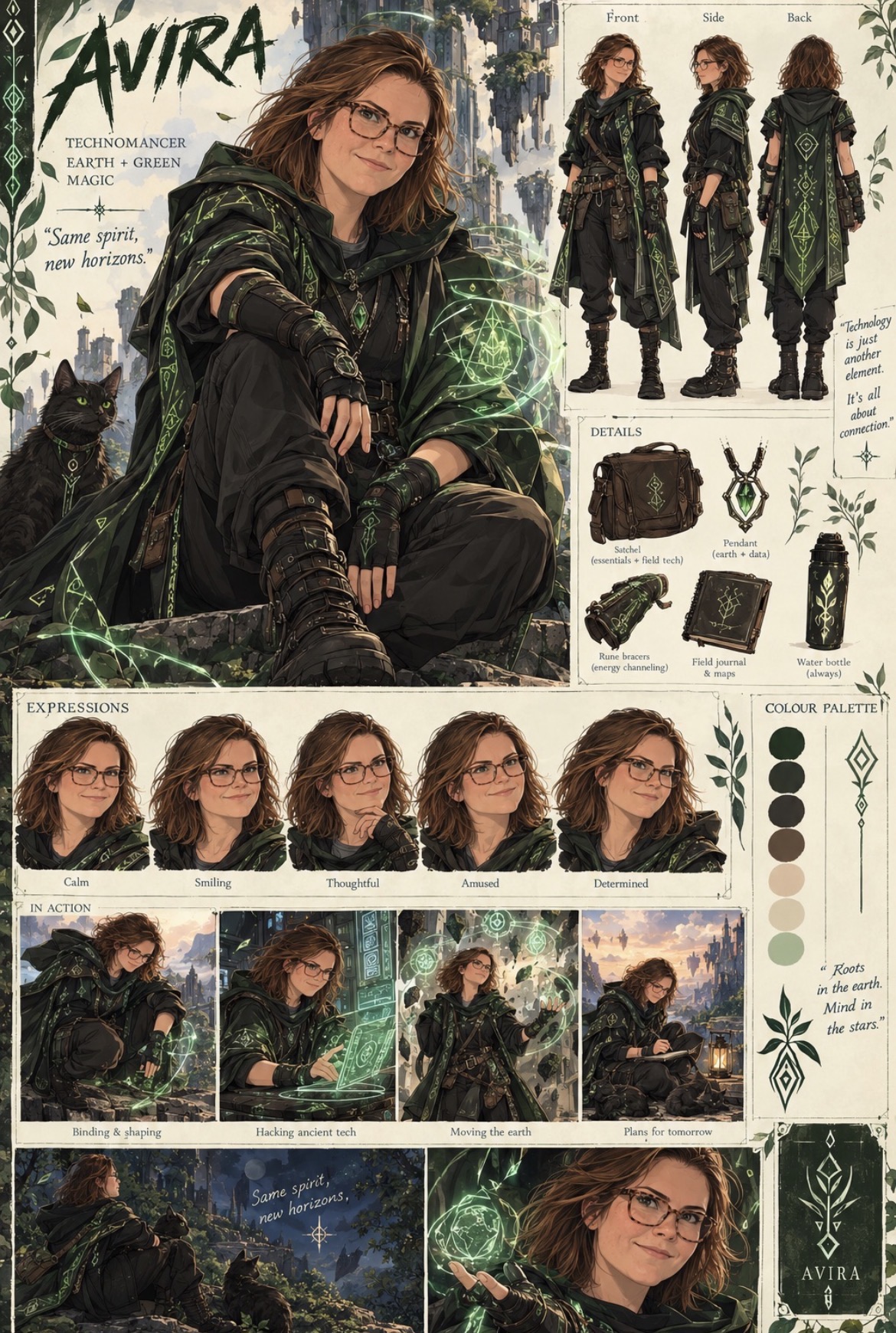
I am fascinated by how humanity has used symbols, rituals, stories and imagination to understand the world and its mysteries.
And while technology may seem worlds apart from ancient esoteric traditions, both can inspire questions about transformation, possibility and the relationship between knowledge and power.
The modern world has its own kind of alchemy.
We transform ideas into software, information into knowledge and imagination into experiences that connect people across continents.
We create entire communities in digital spaces.
We turn words into fictional worlds that can influence how someone understands themselves.
And we use knowledge to protect, educate and empower others.
For me, Magick is also a personal philosophy of creating meaning and giving intention a tangible form.
A kind conversation can change someone’s day.
A story can help a person recognise their own strength.
A cybersecurity awareness campaign can give someone the confidence to protect themselves.
An inclusive community can give someone a place where they finally feel they belong.
None of these things requires supernatural intervention to have a profound impact.
But that does not make them any less wonderful.
There is something magical about witnessing an idea become an experience, especially when that experience leaves someone better informed, more confident or simply happier than before.
And that is precisely the kind of Magick I want to bring into the world.
Not merely through the fictional characters I create or the stories I write, but through what I bring to the table as a person.
My curiosity. My creativity. My technical knowledge. My fascination with human behaviour. My willingness to connect seemingly unrelated subjects.
I want to use those qualities to build bridges between worlds that are too often treated as separate.
Between technical experts and everyday users.
Between creativity and critical thinking.
Between mental health awareness and organisational culture.
Between individuality and belonging.
Because I believe our world could benefit from a little more understanding, patience, courage and kindness.
And perhaps being a modern digital witch is, in my own interpretation, about exactly that.
Taking what inspires me, transforming it into something useful or meaningful, and sharing it in the hope of creating a kinder tomorrow.
I cannot change the entire world with a story, an article or a conversation.
But I can contribute to the world immediately around me.
And I may never fully realise how far that contribution reaches.
Perhaps someone remembers an encouraging word years later. Perhaps a story inspires a person to pursue something they once believed impossible. Perhaps an act of kindness encourages someone to extend that kindness to another.
That is an impact we cannot always measure.
And sometimes, the smallest sparks are where meaningful transformations begin.
The Soul of a Storyteller: Creating a Kinder Tomorrow
I believe storytellers are observers before they are creators.
We collect conversations, experiences, historical fragments, emotions, contradictions and questions about the world around us.
We wonder why people make certain choices and what might have happened if they had chosen differently.
Then we transform those observations into characters, conflicts and imaginary worlds.
But creativity also demands courage.
The courage to explore unfamiliar ideas.
To share something personal.
To accept criticism.
To challenge our own assumptions and occasionally create something that other people may not immediately understand.
There is something deeply empowering about that process.
I began as a child captivated by stories created by others.
Years later, I found myself bringing characters to life at events, participating in enormous fictional communities and eventually creating worlds of my own.
Today, I find myself combining those experiences with technology, awareness, psychology, culture and my fascination with Magick and the mysteries of human imagination.
The storyteller, the technologist, the community builder and the modern witch are not necessarily separate identities to me.
They are different expressions of the same curiosity.
A desire to understand the world, question what we take for granted and create something meaningful from what we discover.
And if there is one message I hope people take away from my stories, it is this:
Believe in your inner strength. Believe in yourself, even when the world gives you reasons to doubt what you are capable of.
Because we rarely realise the impact we can have on the world around us.
A conversation, a thoughtful gesture, an opportunity given to someone, or a fictional character who makes a person feel understood can have consequences far beyond what we ever witness.
Sometimes we inspire people without even knowing it.
And that, to me, is a wonderful thought.
I also believe there is a difference between pursuing success solely for personal gain and using our talents, knowledge and opportunities to contribute something meaningful to others.
There is nothing wrong with ambition or wanting to achieve something for ourselves.
But imagine what we could accomplish if we devoted a little more of that ambition to helping others succeed, feel safe, discover their strengths or simply experience a little more kindness.
If more people made that effort, rather than focusing exclusively on their own interests, I genuinely believe we could build a better future for everyone.
Not a perfect world.
But a world where empathy, understanding, responsibility and cooperation are treated as strengths rather than weaknesses.
Where people are encouraged to be curious instead of afraid of what they do not yet understand.
Where we recognise that empowering someone else does not diminish our own potential.
Because true empowerment is not only about discovering your own strength. It is also about helping others recognise theirs.
And perhaps that is the greatest lesson storytelling has taught me.
A fictional character can inspire someone to be courageous.
A fictional world can introduce an unfamiliar perspective, whether we are young or old, or come from entirely different backgrounds.
A fictional conflict can make us question how we treat people in our own lives.
What begins as imagination can become understanding. Understanding can inspire action. And action can create meaningful change.
Looking back, I find it rather wonderful that this article originally began as an attempt to analyse what makes a story great.
I went searching for structures, archetypes, emotional turning points and the secrets behind compelling narratives.
And I did find answers in those techniques.
But the deeper I explored, the more I realised that understanding storytelling also meant understanding why it had become such an important part of my own life.
In a way, this article followed its own little Hero’s Journey.
I started with a question, wandered through childhood memories, creative experiences, fictional worlds and personal convictions, and eventually returned to where I began.
Only with a slightly different perspective.
Perhaps a truly great story is not simply one that keeps us captivated until the final page, but one that leaves us carrying something meaningful long after we have closed the book.
I may never know the full impact of the stories I share, the people I meet or the contributions I make.
But that uncertainty is not a reason to stop trying.
Quite the opposite.
It is a reason to keep creating, connecting, learning and bringing a little Magick into the world.
Because I believe a kinder tomorrow begins with what we choose to contribute today.
And sometimes, it all starts with a fictional world.
— R.A. Avalon