
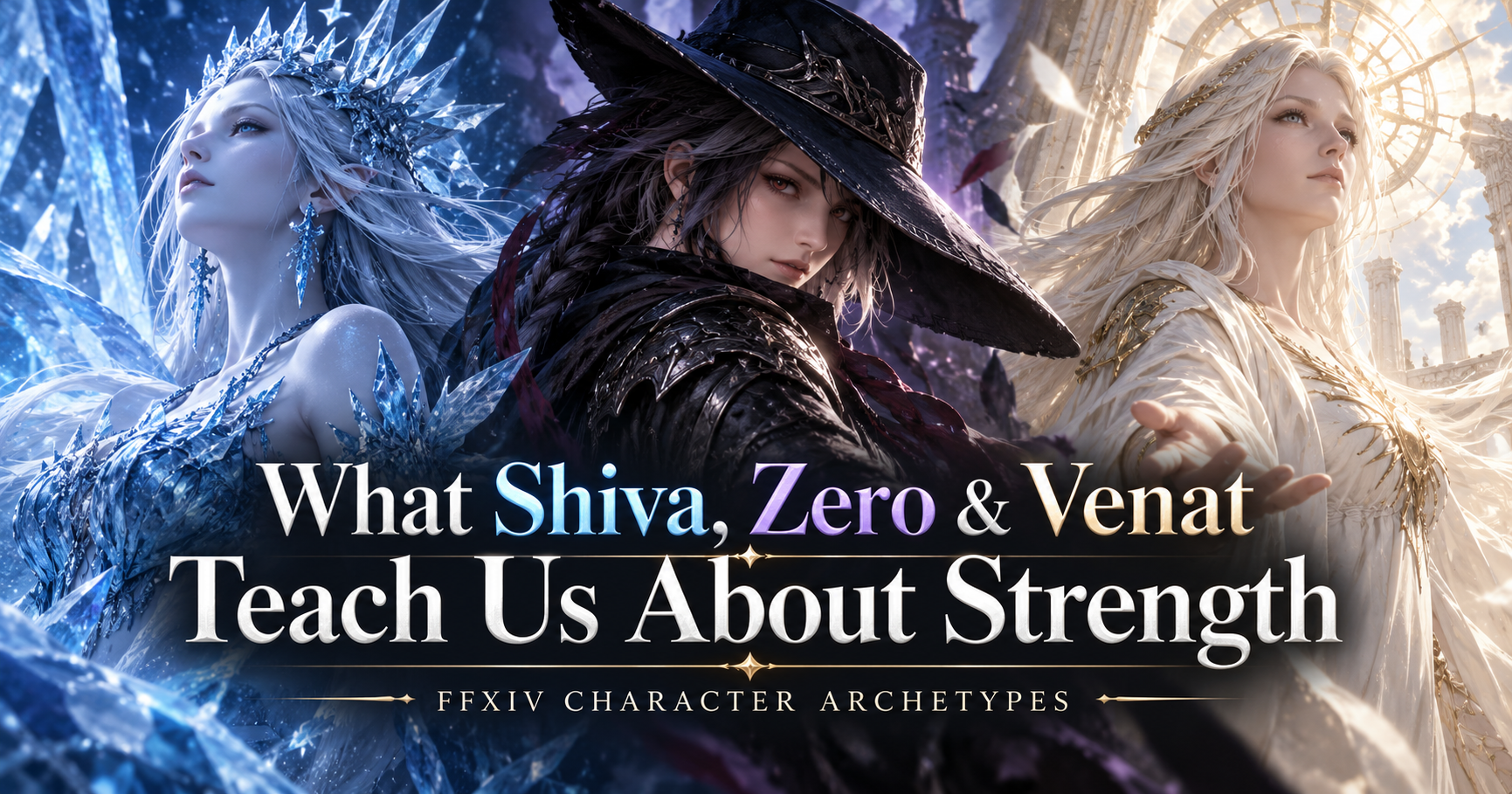
What three unforgettable women teach us about love, division, trust, sacrifice and the courage to change.
Some fictional characters stay with us long after their stories end. Not necessarily because they are powerful, but because they challenge how we understand people.
Final Fantasy XIV has given me many such characters. Three women in particular have influenced how I think about storytelling, human behaviour and the choices we make.
Shiva, Zero and Venat represent different forms of strength. Their stories explore what happens when love challenges hatred, when isolation becomes a survival mechanism, and when hope demands an unimaginable sacrifice.
What fascinates me is how closely their fictional struggles resemble our own. The archetypes below are my literary interpretations, not official character classifications.
Spoilers ahead for Heavensward and Endwalker, including the post-Endwalker storyline.
1. Saint Shiva — Love Beyond the Boundaries of War
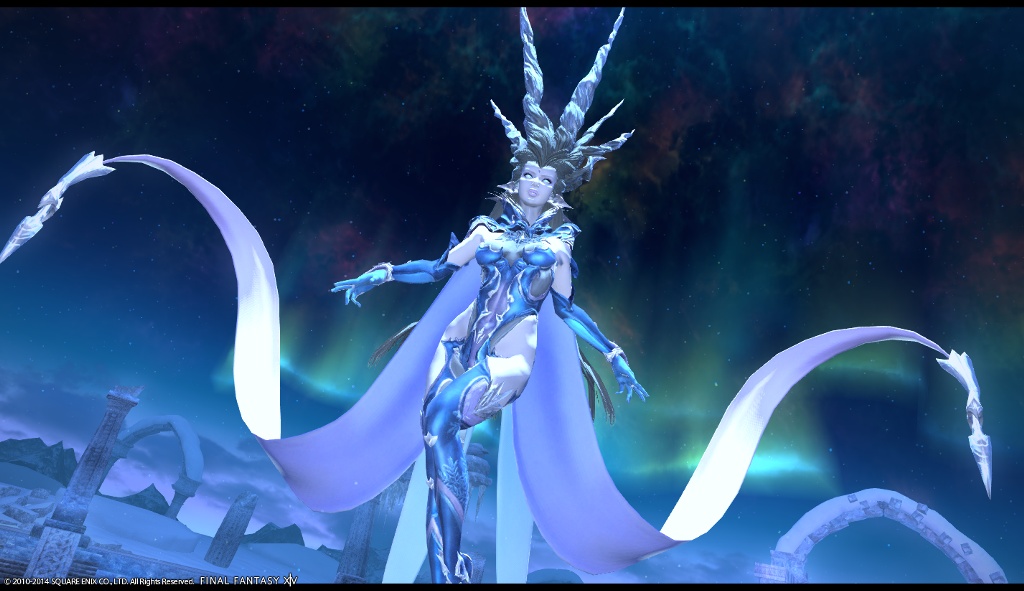
Primary archetype: The Peacemaker
Sub-archetypes: The Lover, the Bridge-Builder and the Tragic Idealist.
Long before the events of Heavensward, humans and dragons were at war.
Where others saw monstrous enemies, an Elezen woman named Shiva saw something different: beings capable of intelligence, reason and emotion.
Instead of accepting the hatred surrounding her, she chose to understand those she was taught to fear.
That decision eventually brought her into the presence of Hraesvelgr, one of the great wyrms. Their growing affection crossed a boundary that both societies had considered impossible.
A human and a dragon fell in love.
Yet their relationship faced an unavoidable reality. Dragons could live for thousands of years, while a human lifetime was comparatively brief.
Unable to bear the thought of their eventual separation, Shiva asked Hraesvelgr to consume her so their souls could remain entwined forever.
He reluctantly honoured her wish.
Their extraordinary bond accomplished something armies had failed to achieve. Humans and dragons began to see one another differently, ending their conflict and establishing approximately two centuries of peace.
But peace proved fragile.
King Thordan and his knights eventually betrayed the dragons, murdering Ratatoskr and taking her eyes for their power. Her brother Nidhogg’s grief became vengeance, giving rise to the thousand-year Dragonsong War.
Generations inherited a conflict whose original causes had been obscured by political and religious narratives.
Centuries later, Ysayle, believing herself connected to Shiva, sought to restore that lost harmony. She challenged Ishgard’s official history and attempted to reunite humans and dragons.
Yet Ysayle’s devotion also made her vulnerable to dangerous certainty. The Shiva she summoned was not the original woman, but a primal shaped by her own beliefs. Her methods harmed innocents even as she pursued peace.
What inspires me is the contrast between Shiva and Ysayle.
Shiva began by questioning what she had been taught. Ysayle initially became so attached to her interpretation of truth that she struggled to question herself.
Psychologically, this resembles how collective identities and inherited prejudices function. People can perpetuate hatred without personally understanding its origins.
We see similar patterns in workplaces, communities and digital culture. Groups develop narratives about one another until disagreement becomes an identity.
Shiva reminds me that reconciliation begins with recognising humanity, or in her case personhood, beyond established boundaries.
Her sacrifice is tragic, not something I believe love should require.
The lesson: Understanding an enemy can change history. But maintaining peace requires confronting the systems, ambitions and inherited beliefs that perpetuate division.
2. Zero — Learning to Trust After a World Has Broken You
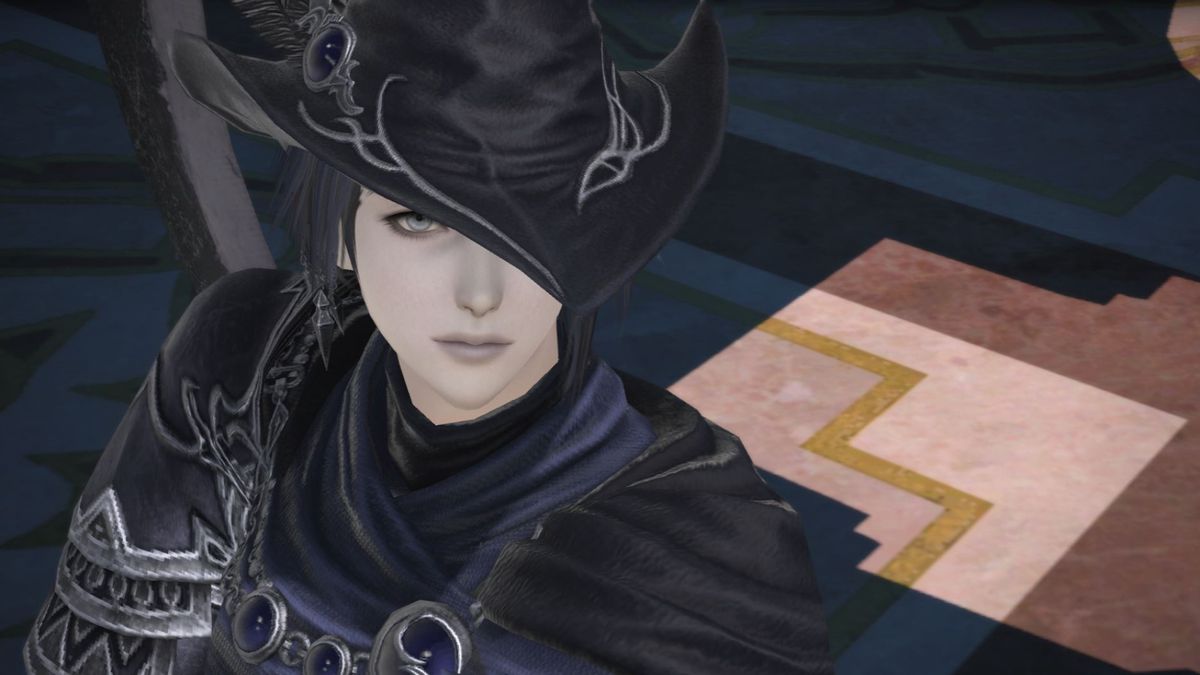
Primary archetype: The Survivor
Sub-archetypes: The Outsider, the Mercenary and the Emerging Guardian.
Zero comes from the Thirteenth, a world consumed by Darkness.
Having endured betrayal, exploitation and an existence defined by survival, she develops a transactional understanding of relationships.
Everything has a price. Every favour creates a debt. Trust offers little protection.
Her emotional distance is not necessarily cruelty. It is a defence mechanism.
And that is what makes her interesting.
When someone has learned that dependence creates vulnerability, independence can become more than a preference. It becomes an identity.
Throughout her journey, Zero encounters people who challenge that worldview through their actions rather than arguments.
Friendship, hospitality and kindness gradually introduce possibilities she had almost forgotten.
Her relationships with the Warrior of Light, Jullus and Ryne demonstrate that cooperation does not always require an immediate exchange.
She begins to understand that relationships can be built upon mutual care rather than obligation.
Her transformation into a light-bearing knight symbolises that psychological development beautifully.
She does not erase her past. She discovers that her past no longer needs to determine her future.
I particularly appreciate how her story portrays trust as something learned rather than simply demanded.
In real life, people who seem cold or distant may have developed those behaviours because they once served a purpose.
Understanding the origins of someone’s defences does not mean excusing harmful behaviour. It means recognising that change requires experiences which challenge established expectations.
The lesson: Trust cannot be forced. It grows through consistency, reciprocity and the willingness to let others demonstrate who they are.
3. Venat — The Cost of Giving Humanity a Future
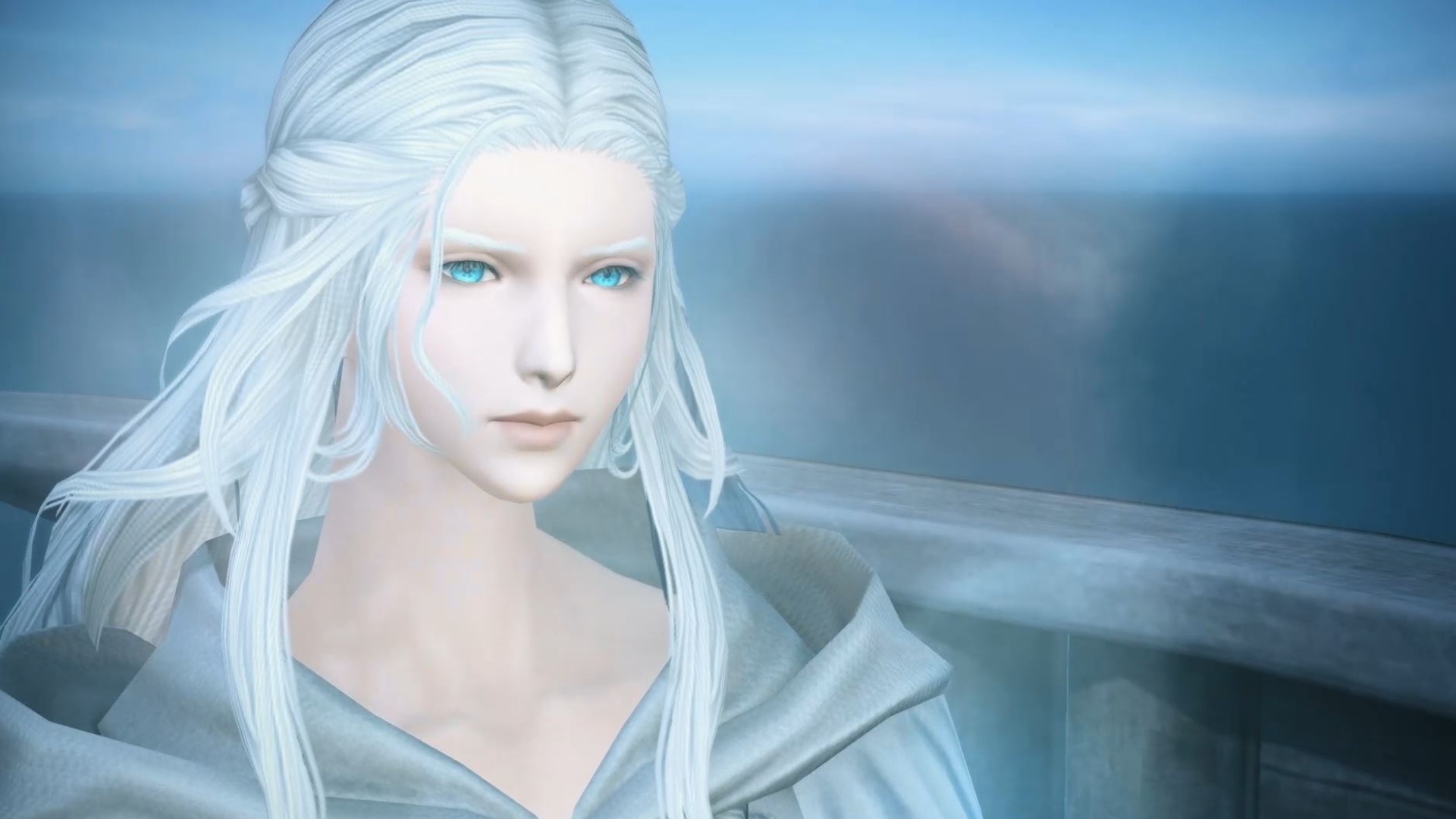
Primary archetype: The Wise Mentor
Sub-archetypes: The Wanderer, the Great Mother and the Tragic Architect.
Venat is perhaps one of the most philosophically fascinating characters in Final Fantasy XIV.
Before becoming Hydaelyn, she was a traveller who sought to experience the world rather than merely observe it.
Her love of life included its imperfections.
When the Ancients confronted an existential catastrophe, many sought to reclaim their lost paradise.
Venat believed humanity needed another path.
She understood that a world without suffering was not necessarily a world capable of confronting suffering.
Her defining declaration captures this philosophy:
“Henceforth, he shall walk.”
Humanity would no longer be carried towards paradise. It would need to discover meaning through hardship, uncertainty and perseverance.
Yet Venat’s decision to sunder the world also raises troubling ethical questions.
Who has the right to determine the future of others?
Can an act of extraordinary compassion also be an act of extraordinary violence?
Does protecting future generations justify sacrificing what already exists?
These contradictions make her compelling.
I admire her conviction that people possess the capacity to overcome despair, even when they cannot see it themselves.
But I also find her story a warning about leadership.
Good intentions do not automatically make decisions ethical. Even visionary leaders must consider the suffering their choices impose upon others.
The lesson: Hope is not the promise of a painless future. It is the belief that life remains worth living despite its difficulties.
What These Three Women Teach Me About Storytelling
Shiva crosses the boundaries created by hatred.
Zero learns to cross the boundaries created by fear.
Venat forces humanity to confront the boundaries of its own existence.
Three different stories, yet each examines how beliefs shape behaviour.
For me, that is where fiction becomes valuable beyond entertainment.
In organisations, communities and personal relationships, we encounter people carrying convictions, defences and expectations shaped by experiences we cannot immediately see.
Some perpetuate inherited conflicts. Others protect themselves by remaining distant. And some believe so strongly in a better future that they overlook the consequences of pursuing it.
Understanding those motivations does not require agreeing with them.
It requires curiosity.
These are the characters I admire and strive to write myself: individuals whose decisions emerge from understandable motivations, whose mistakes have consequences and whose development comes at a meaningful cost.
Because sometimes the greatest strength is not defeating an enemy.
It is learning to understand someone you were taught to fear.
Related reading: The Women Who Redefined Strength in Fiction.
Game screenshots: © SQUARE ENIX. FINAL FANTASY is a registered trademark of Square Enix Holdings Co., Ltd. This independent character analysis is not affiliated with or endorsed by Square Enix.