

What makes a female character strong? For me, it is rarely her ability to win a fight. The women who inspire me most are those who lose certainty, carry grief or discover that their old identity no longer fits.
As a writer, I am fascinated by the psychology of their choices: When does loyalty become obedience? When does love become control? Can someone who has caused harm change? These ten strong female characters—plus one bonus—from Star Wars, The Hunger Games, Marvel, Final Fantasy XIV and Avatar offer very different answers.
Spoilers ahead. The archetypes are my personal literary interpretations, not official classifications or diagnoses.
1. Ahsoka Tano (Star Wars): Strength Beyond the Jedi Order
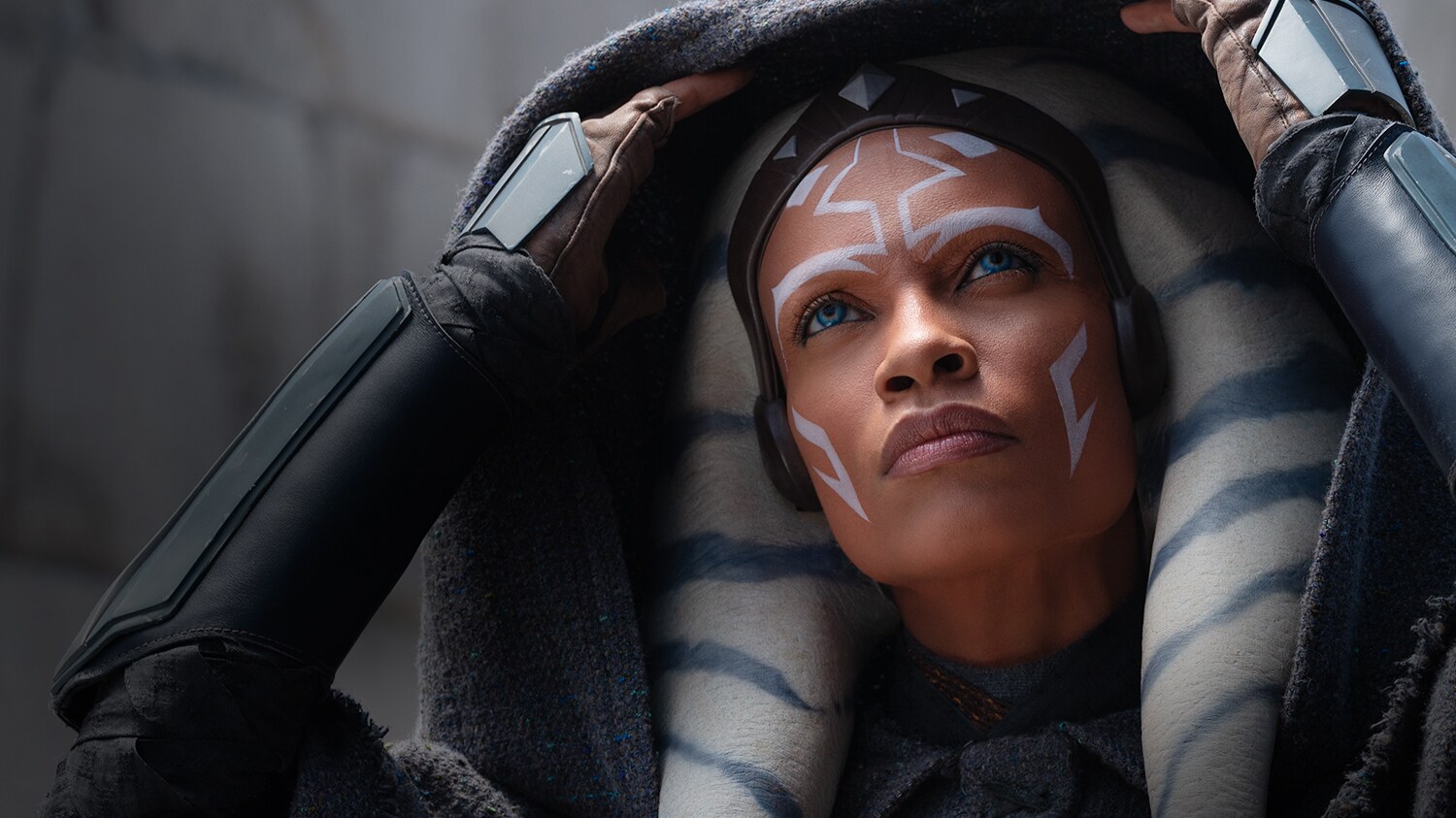
“There’s always a bit of truth in legends.”
— Ahsoka Tano · Star Wars Rebels — Twilight of the Apprentice
Archetype: The Seeker | Sub-archetype: The Independent Guardian
Ahsoka begins as Anakin Skywalker’s headstrong Padawan. When the Jedi Order falsely accuses her of a Temple bombing, clearing her name cannot restore her trust. She leaves.
Later, as Fulcrum and a wandering warrior with white lightsabers, she protects people without claiming the Jedi title. Her almost samurai-like independence inspires me because it is grounded in conviction, not bitterness. Ahsoka separates loyalty to principles from loyalty to an institution. Walking away can sometimes be the most principled choice.
2. Katniss Everdeen (The Hunger Games): Questioning Victory

“And if we burn, you burn with us!”
— Katniss Everdeen · The Hunger Games: Mockingjay — Part 1
Archetype: The Rebel | Sub-archetype: The Reluctant Protector
Katniss volunteers for the Hunger Games to protect her sister Prim. She does not aspire to revolution, yet becomes the Mockingjay while both the Capitol and the rebels try to use her as a symbol.
Her defining choice comes at the end: she shoots President Coin instead of Snow after Coin proposes another Hunger Games for Capitol children. Grief, suspicion and moral judgement converge. Katniss understands that overthrowing a tyrant means little if the victors reproduce the same cruelty. Even a righteous rebellion needs to question its leaders.
3. Barriss Offee (Star Wars): From Extremism to Healing
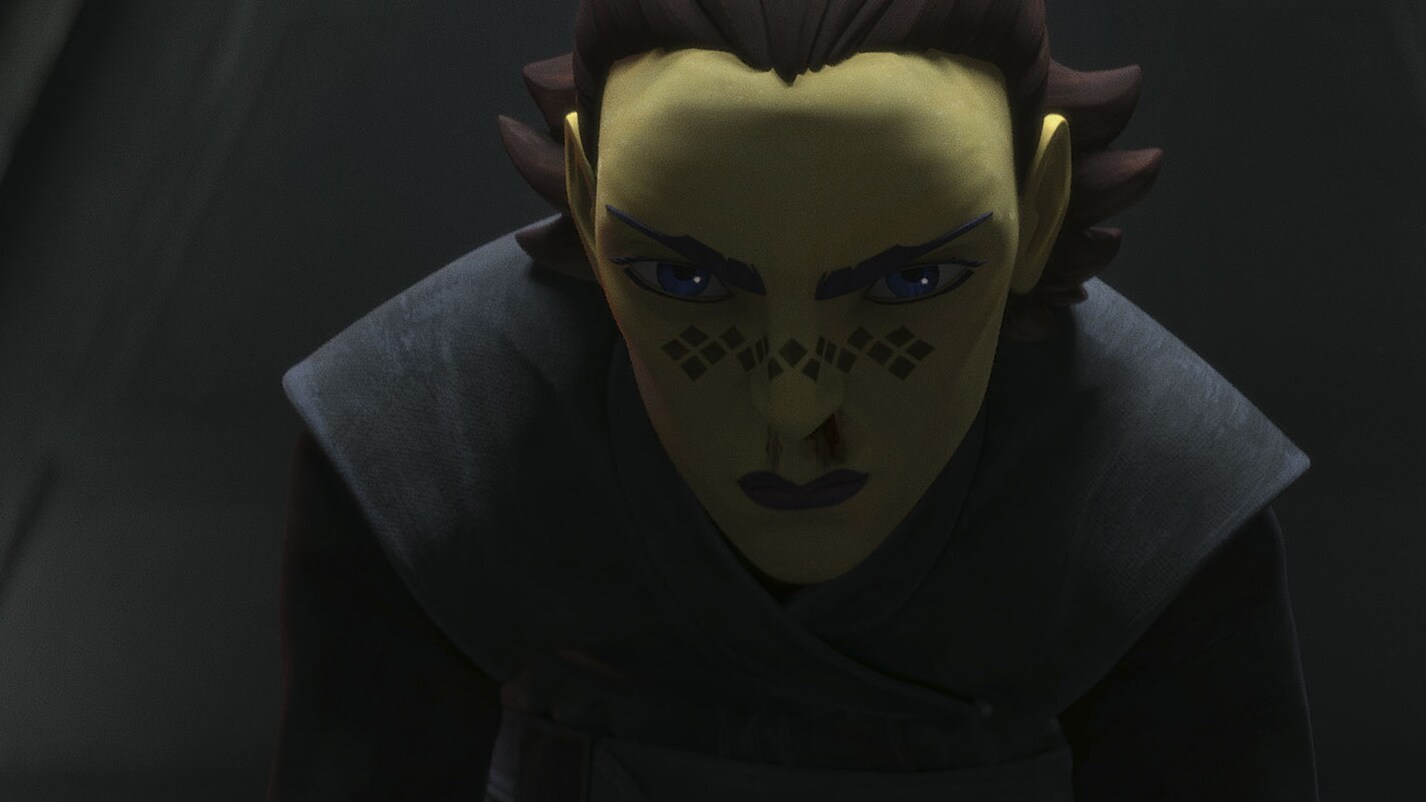
“Lay down your weapon, and I’ll show you the way out.”
— Barriss Offee · Star Wars: Tales of the Empire — The Way Out
Archetype: The Outlaw | Sub-archetype: The Penitent Healer
Barriss loses faith as the Jedi become generals in the Clone Wars. Her criticism of the Republic’s direction has merit, but her response is indefensible: she bombs the Jedi Temple, kills innocents and frames Ahsoka.
The Empire recruits her as an Inquisitor, only for its cruelty to prompt another reckoning. Eventually she turns to healing. Her story fascinates me because redemption does not erase responsibility. She cannot undo the suffering she caused; she can choose not to cause more.
4. Scarlet Witch (Marvel): When Grief Becomes Control

“I’m sorry. For all the pain I caused.”
— Scarlet Witch · WandaVision — Episode 9
Archetype: The Magician | Sub-archetype: The Grieving Creator
Wanda Maximoff survives war in Sokovia, loses her brother Pietro and later loses Vision. The Mind Stone amplifies her latent abilities, yet extraordinary power cannot protect her from ordinary heartbreak.
In WandaVision, she creates a comforting reality in which Vision lives. Unfortunately, that refuge imprisons Westview’s inhabitants. The Darkhold later deepens her obsession. Her pain is understandable; her actions remain harmful. Wanda illustrates the Magician’s shadow: when love cannot accept loss, the desire to create can become a need to control.
5. Captain Marvel (Marvel): Reclaiming Her Own Identity

“I have nothing to prove to you.”
— Captain Marvel · Captain Marvel (2019)
Archetype: The Warrior | Sub-archetype: The Liberated Champion
Carol Danvers is a pilot accustomed to being underestimated. After an accident involving a Tesseract-powered engine grants her powers, the Kree suppress her memories and turn her into their weapon.
Yon-Rogg teaches her that emotion makes her weak, positioning himself as the judge of her worth. Recovering her identity also means recognising his manipulation. When Carol refuses his final demand to prove herself through combat, she wins something more important than a fight: the right to define her own strength.
6. Venat / Hydaelyn (Final Fantasy XIV): Learning to Walk Without Paradise
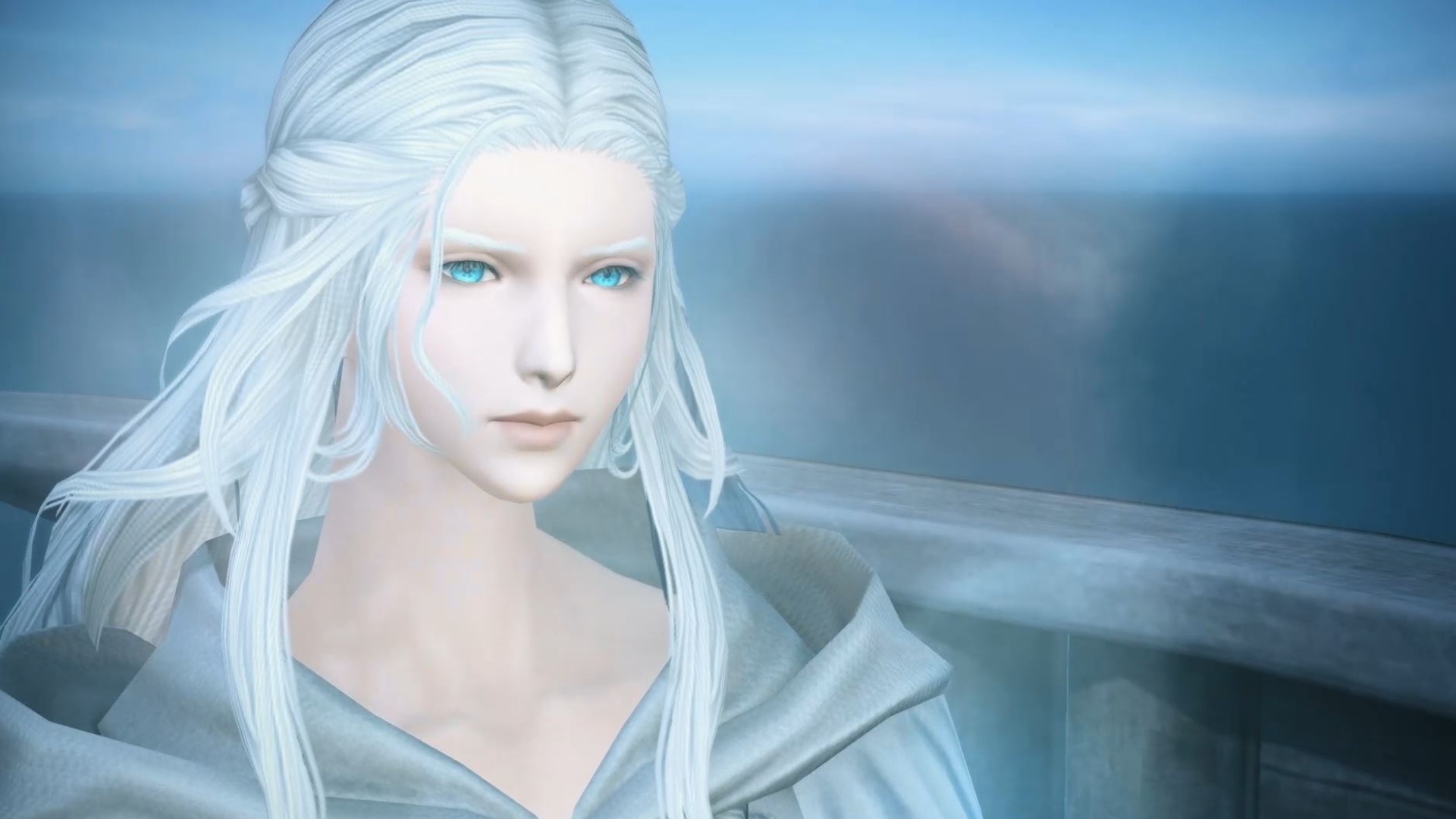
“No more shall man have wings to bear him to paradise. Henceforth, he shall walk.”
— Venat / Hydaelyn · Final Fantasy XIV: Endwalker
Archetype: The Sage | Sub-archetype: The Tragic Liberator
Venat’s Endwalker story remains one of the most moving I have experienced. Before becoming Hydaelyn, she is an Ancient who deeply loves Etheirys and its people. Then the Final Days devastate their world.
To halt the catastrophe, the Ancients summon Zodiark through enormous sacrifice. As the star recovers, they seek to offer newly emerged lives to resurrect those already lost. Venat sees the danger of a society so desperate for its vanished paradise that it refuses to accept grief, change or the future.
The deeper threat—the despair embodied by Meteion—has not been solved. In the Sundering sequence, Venat pleads with her people, asking them to find a way forward instead of retreating into the past. When they turn back to Zodiark, she rejects the dream of a painless return to paradise.
Venat and her allies bring forth Hydaelyn, and the world is sundered. The cutscene condenses a complex history into one symbolic decision. It is morally troubling: countless lives are transformed without consent. Yet Venat believes imperfect, mortal humanity can someday confront despair rather than flee from it. She cannot give people paradise. She can only trust them to keep walking.
7. Korra (Avatar): Finding Yourself After Trauma
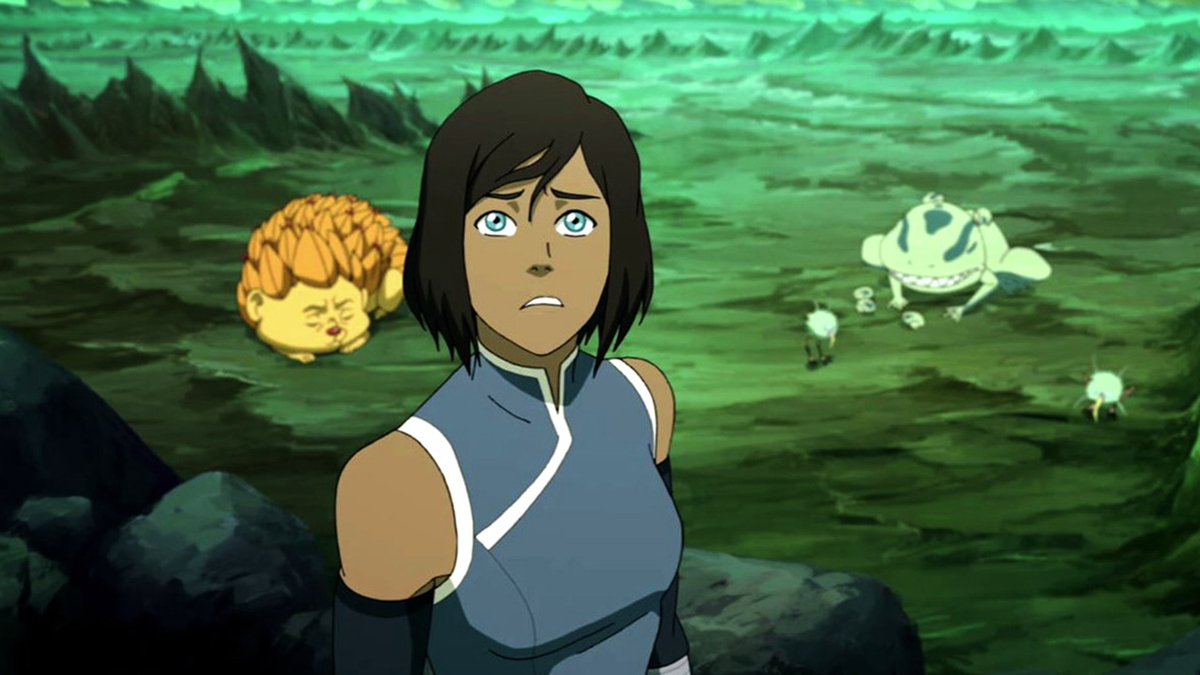
“I needed to understand what true suffering was so I could be more compassionate to others.”
— Korra · The Legend of Korra — The Last Stand
Archetype: The Warrior | Sub-archetype: The Wounded Healer
Korra begins The Legend of Korra outspoken and headstrong, defining herself through her strength as the Avatar. After Zaheer poisons her, physical survival brings neither immediate recovery nor peace. Fear, isolation and traumatic memories make her doubt her own mind and body.
In the Foggy Swamp, Toph helps her confront the remaining poison. Facing Zaheer again and accepting support become parts of her recovery. What inspires me most is her eventual empathy towards Kuvira. Her strength grows through vulnerability and compassion, not invincibility.
8. Trilla Suduri / Second Sister (Star Wars): Redemption Interrupted
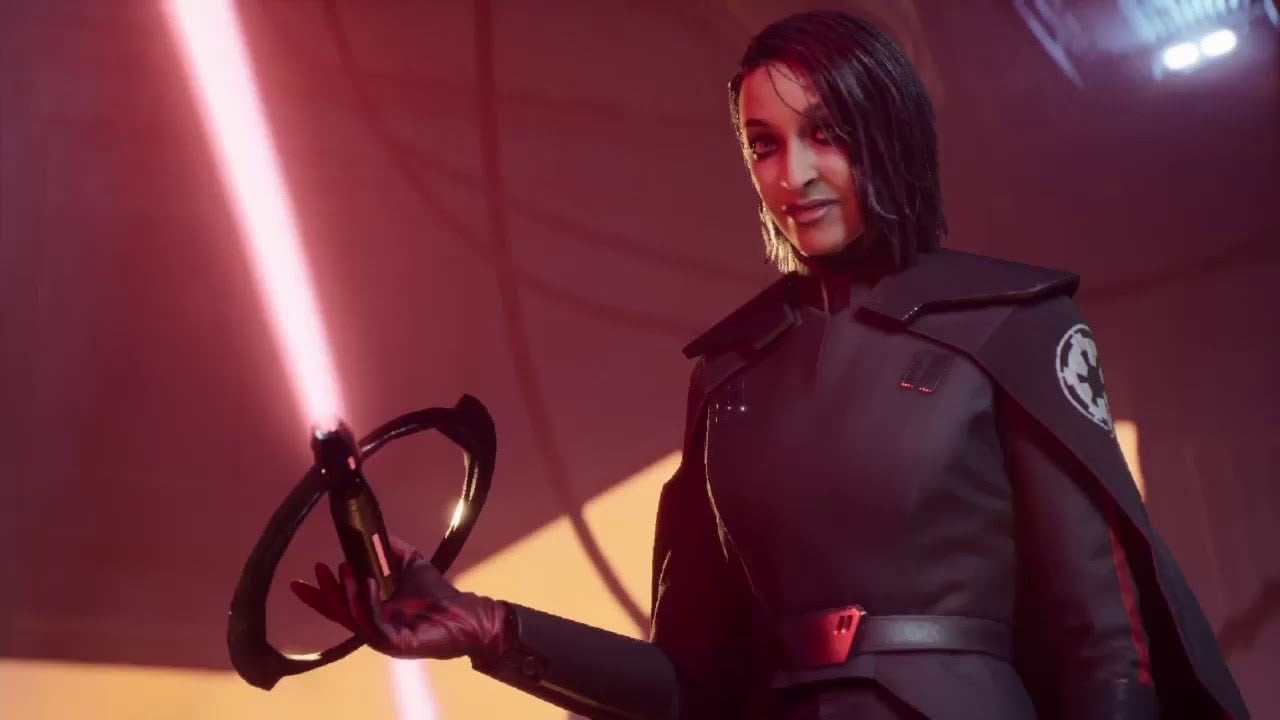
“Avenge us!”
— Trilla Suduri · Star Wars Jedi: Fallen Order
Archetype: The Shadow | Sub-archetype: The Betrayed Apprentice
Trilla survives Order 66, only to be captured after her mentor Cere reveals her whereabouts under torture. The Empire brutalises her into becoming the Second Sister, an Inquisitor who hunts surviving Jedi.
Betrayal becomes the explanation she clings to for her hatred. At the end of Jedi: Fallen Order, Cere reaches out, and Trilla seems briefly able to imagine another life. Darth Vader kills her before that possibility can unfold. Her story is not a completed redemption but a glimpse of one—and that makes it tragic.
9. Qi’ra (Star Wars): The Price of Survival
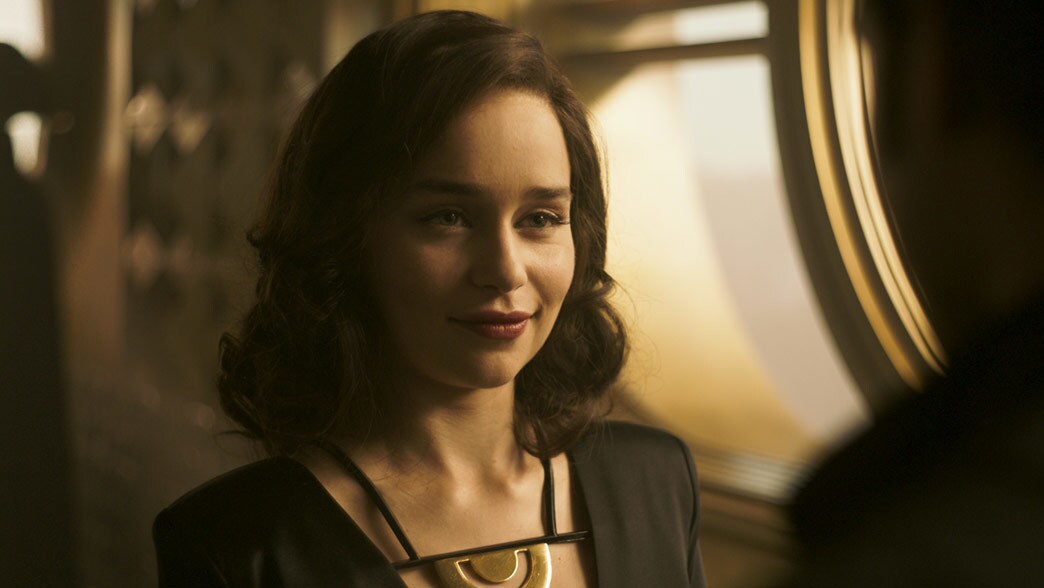
“Everyone serves someone.”
— Qi’ra · Solo: A Star Wars Story
Archetype: The Ruler | Sub-archetype: The Strategic Survivor
Growing up amid Corellia’s brutality teaches Qi’ra that affection alone cannot guarantee safety. Separated from Han Solo, she survives through secrecy, compromise and calculated decisions. Her rise through Crimson Dawn reveals someone who learns the methods of the powers exploiting her.
In the comics, Qi’ra uses an intricate network to challenge the Sith themselves. She is neither straightforward hero nor villain. What interests me is the cost of her strategy: control protects her, but it also distances her from people she loves. Escaping oppression and becoming free are not always the same thing.
10. Doctor Aphra (Star Wars): Brilliant, Chaotic and Morally Grey

“Archaeology is just grave robbing with fancy paperwork.”
— Doctor Aphra · Star Wars: Doctor Aphra (2016) #5
Archetype: The Trickster | Sub-archetype: The Self-Sabotaging Explorer
Doctor Chelli Aphra is an inventive archaeologist and treasure hunter whose adventures include working for Darth Vader. She is brilliant, funny, unpredictable—and often an appalling judge of consequences.
Aphra manipulates, lies and betrays, frequently in the name of surviving one more disaster. Yet flashes of loyalty and affection complicate her self-interest. I love that she resists the demand for a flawless heroine. Intelligence, charm and courage cannot save Aphra from her own character flaws.
Bonus #11. Asajj Ventress (Star Wars): Reclaiming Yourself After Betrayal
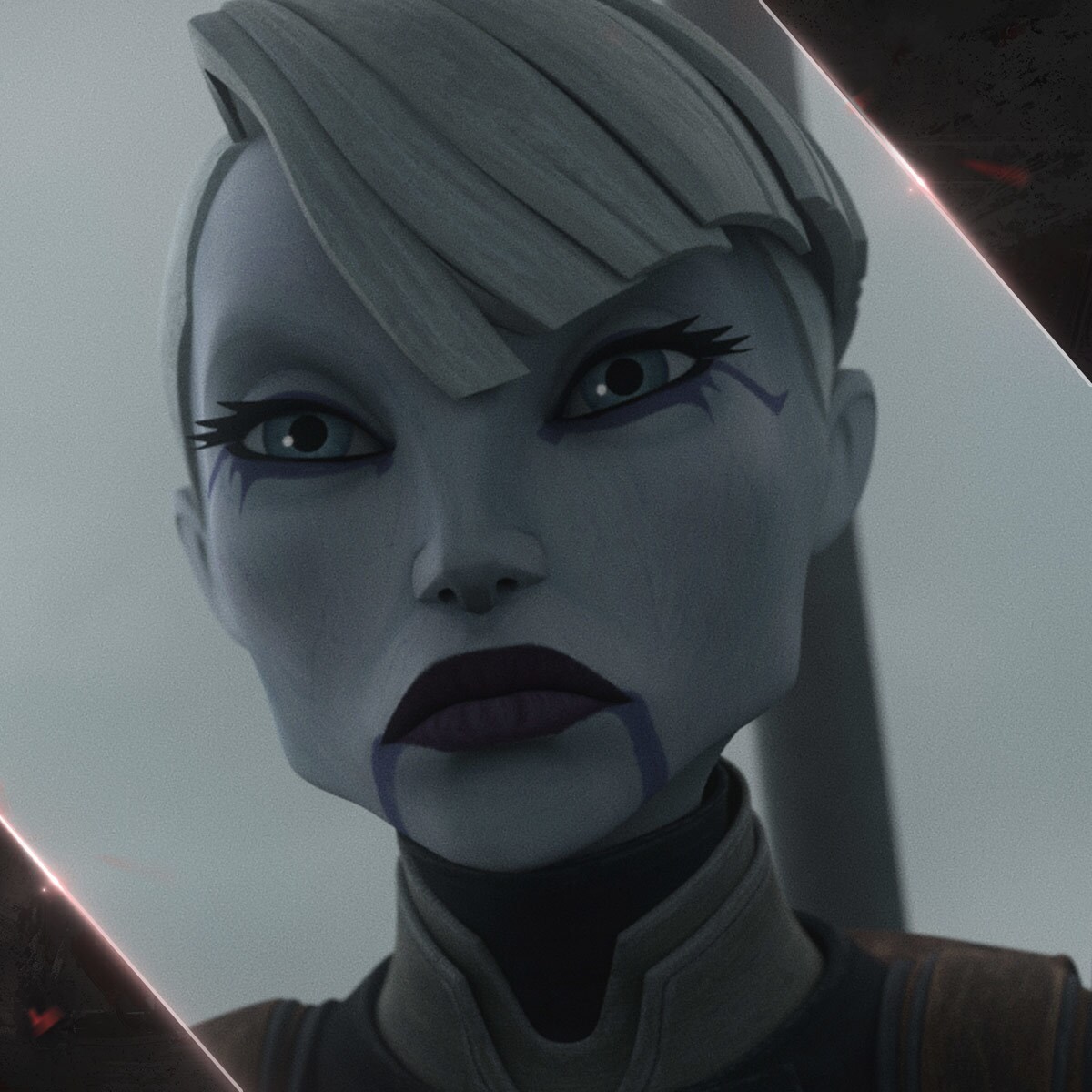
“We were pawns in the same war. And we all lost.”
— Asajj Ventress · Star Wars: The Bad Batch — The Harbinger
Archetype: The Phoenix | Sub-archetype: The Reborn Outsider
Asajj Ventress spent much of her life serving people and institutions that ultimately abandoned her. Once a Jedi Padawan, she later became Count Dooku’s assassin and secret apprentice. When Darth Sidious feared her growing power, he ordered Dooku to eliminate her. Dooku obeyed. The hierarchy she had served treated her as disposable. Loyalty, apparently, only worked one way.
After losing her Nightsister clan, Ventress reinvented herself as a bounty hunter. In Christie Golden’s Dark Disciple, she unexpectedly found love with Jedi Master Quinlan Vos and ultimately sacrificed her life to save him. Vos, accompanied by Obi-Wan Kenobi, returned her body to the sacred waters of Dathomir. Yet death was not the end. In Tales of the Underworld, Mother Talzin offered her another chance at life, but demanded what she called Ventress’s heart’s desire in return—a painful bargain strongly associated with the future she might have shared with Vos.
Her second chance does not restore everything she lost. She goes on to help a young survivor of the Jedi Purge and, in The Bad Batch, meets Omega and tests her connection to the Force. Confronted by clone soldiers who remember her Separatist past, Ventress points out an uncomfortable truth: the Republic and Separatists had been manipulated by the same hidden power. Former enemies were pawns in a war engineered for someone else’s benefit.
What inspires me about Ventress is that she never becomes a flawless heroine. She has caused suffering, made terrible choices and lost nearly everything. Yet she gradually learns compassion without surrendering her independence. Being shaped by a broken system does not mean we must remain its creation. Sometimes redemption begins when we stop asking whom we should serve and start deciding who we want to become.
Why These Strong Female Characters Matter to My Writing
Ahsoka chooses principles over belonging. Katniss questions power. Barriss seeks repair. Wanda exposes grief’s destructive potential. Carol reclaims autonomy. Venat chooses a painful future over a lost paradise. Korra rediscovers herself; Trilla glimpses forgiveness; Qi’ra survives through strategy; Aphra embraces dangerous contradictions; and Ventress proves that even after betrayal, loss and violence, a person can still choose growth.
They remind me that strength is not the absence of fear, failure or suffering. It is revealed by what someone chooses to do next. That same transformation runs through the Hero’s Journey and the alchemy of storytelling—and it is why I love writing complex characters.