A Stone of Kings, a Sign of Belonging
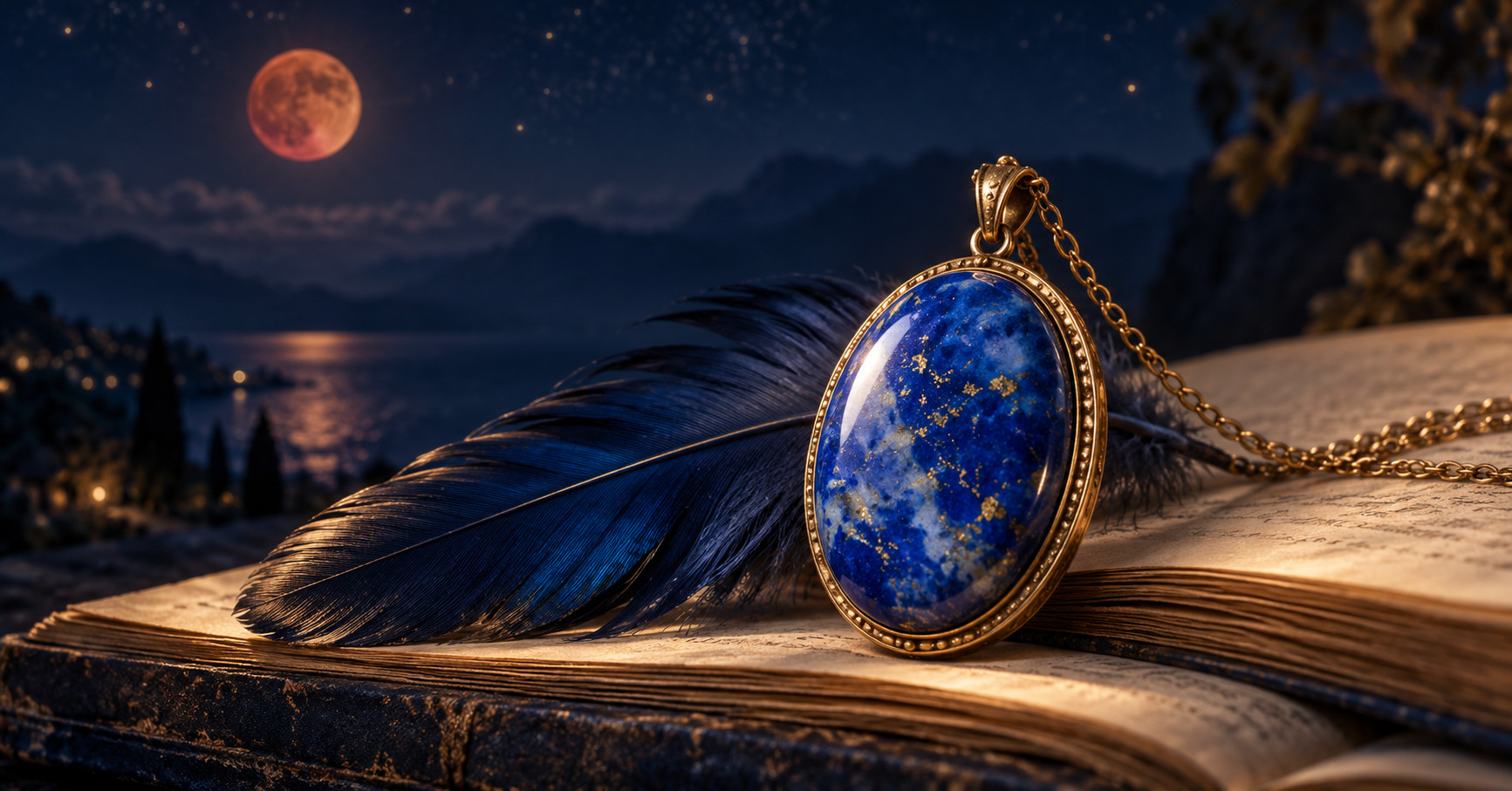
Featured artwork: an AI-generated illustration of lapis lazuli, a feather and a full blood moon.
Last year, at Volt’s headquarters in The Hague, I had a heartfelt conversation with a former IBM employee. I had lapis lazuli jewellery of my own, and he told me about the piece in his necklace, which he had got from Los Angeles.
That encounter stayed with me. Jewellery can give strangers a reason to talk: a familiar colour catches our attention, and someone shares the story behind it. A small blue stone becomes a point of connection. Those moments of recognition are part of what inspires me as a writer.
Blue, with a little gold
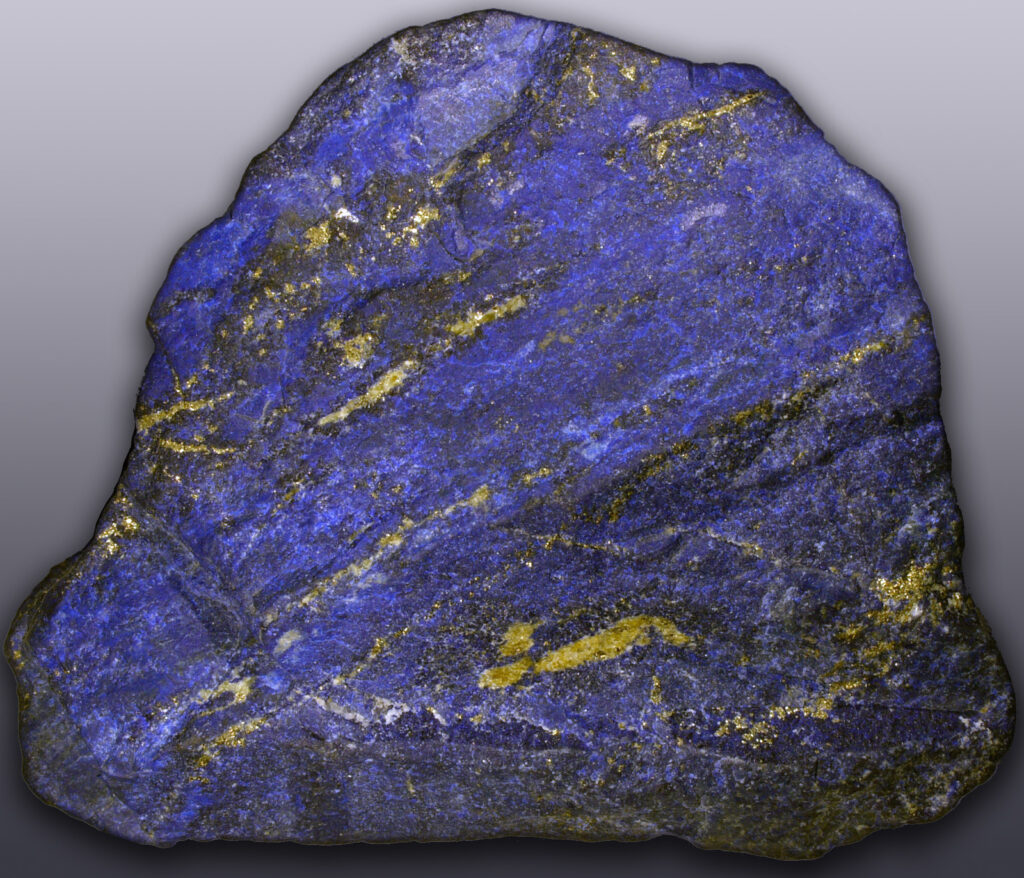
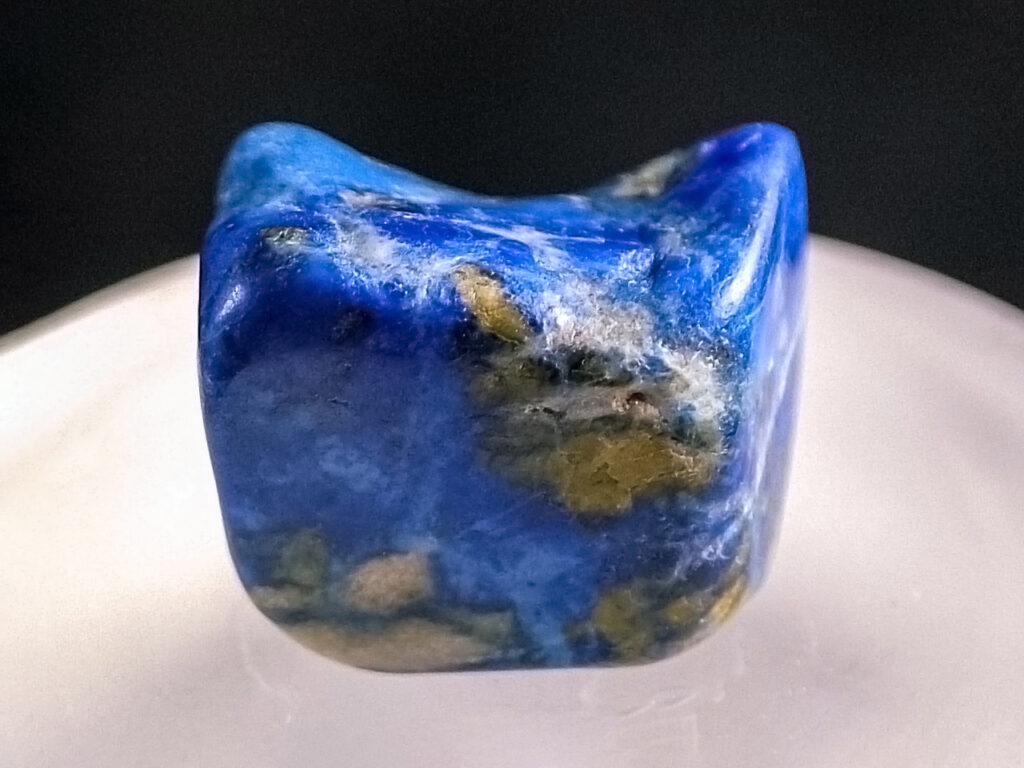
Lapis lazuli is a rock made from several minerals. Lazurite gives it its characteristic blue, calcite can leave white streaks, and its gold-coloured flecks are pyrite.1
Those tiny metallic flashes give the deep blue a wonderfully royal appearance, like a night sky scattered with stars. It is a beautiful stone, with a history that deserves to be better known.

Kings, gods and sacred blue
Lapis has been mined in what is now Afghanistan for more than 6,000 years. Trade carried it far beyond those mountains. In Mesopotamia, it appears among the treasures of the Royal Cemetery at Ur, fashioned into beads, vessels and other precious objects.23
In ancient Egypt, its significance was both royal and religious. A lapis scarab bearing the throne name of Ramses II survives in the Toledo Museum of Art. Egyptians associated the stone with the night sky and the hair of the gods. “A stone of kings” feels like a fitting description.4
Centuries later, lapis entered Christian devotional art as ultramarine, an exceptionally expensive blue pigment. Artists used it for the Virgin Mary’s robes; the brilliant blue in Sassoferrato’s The Virgin in Prayer is one example.5
As a storyteller, I find that journey fascinating: a material passing through different hands, carrying changing meanings.
In contemporary crystal spirituality, lapis is associated with wisdom, truth, intuition and honest communication. Some practitioners connect it with the throat and third-eye chakras, believing it supports expression and inner insight. These are spiritual interpretations of the stone’s significance.6
From a blood moon to the Feathers of Lapis
My Dragonfly Twin Saga began with The Dragonfly Twins and the Trinity God, under a full blood moon.
My own jewellery and conversations like the one in The Hague helped inspire the Feathers of Lapis within that world. Introduced through Kessa’s story, this guild brings together people who recognise one another through the blue stone and share a wish to do good in the world.
Over the past nine to twelve months, I’ve written more than eighteen novels in this world. I’m now refining the manuscripts ahead of release. I have, honestly, spent far too much time worldbuilding. Yet real encounters keep finding their way onto the page.
The connection with community building feels natural to me. A symbol gives people a starting point. Trust grows through the conversations and choices that follow: welcoming someone, listening carefully, offering help.
For me, the beauty of lapis lies partly in those connections. The piece that came from Los Angeles became part of a conversation in The Hague, and that conversation helped shape a world I’m still writing.
A small stone can carry a surprisingly long story.

Sources
1. Gemological Institute of America — Lapis Lazuli Description.
2. The Courtauld — Lapis Lazuli, Illuminating Objects.
3. Penn Museum — Ur and Its Treasures.
4. Toledo Museum of Art — Lapis Lazuli Scarab Inscribed for Ramses II.
5. National Gallery, London — Sassoferrato, The Virgin in Prayer.
6. Crystal Vaults — Lapis Lazuli Meanings and Uses. Cited for contemporary spiritual beliefs.
Related reading
Alchemy in Storytelling: The Art of Transformation
Avatar’s White Lotus Explained: Symbolism, Pai Sho and Healing