
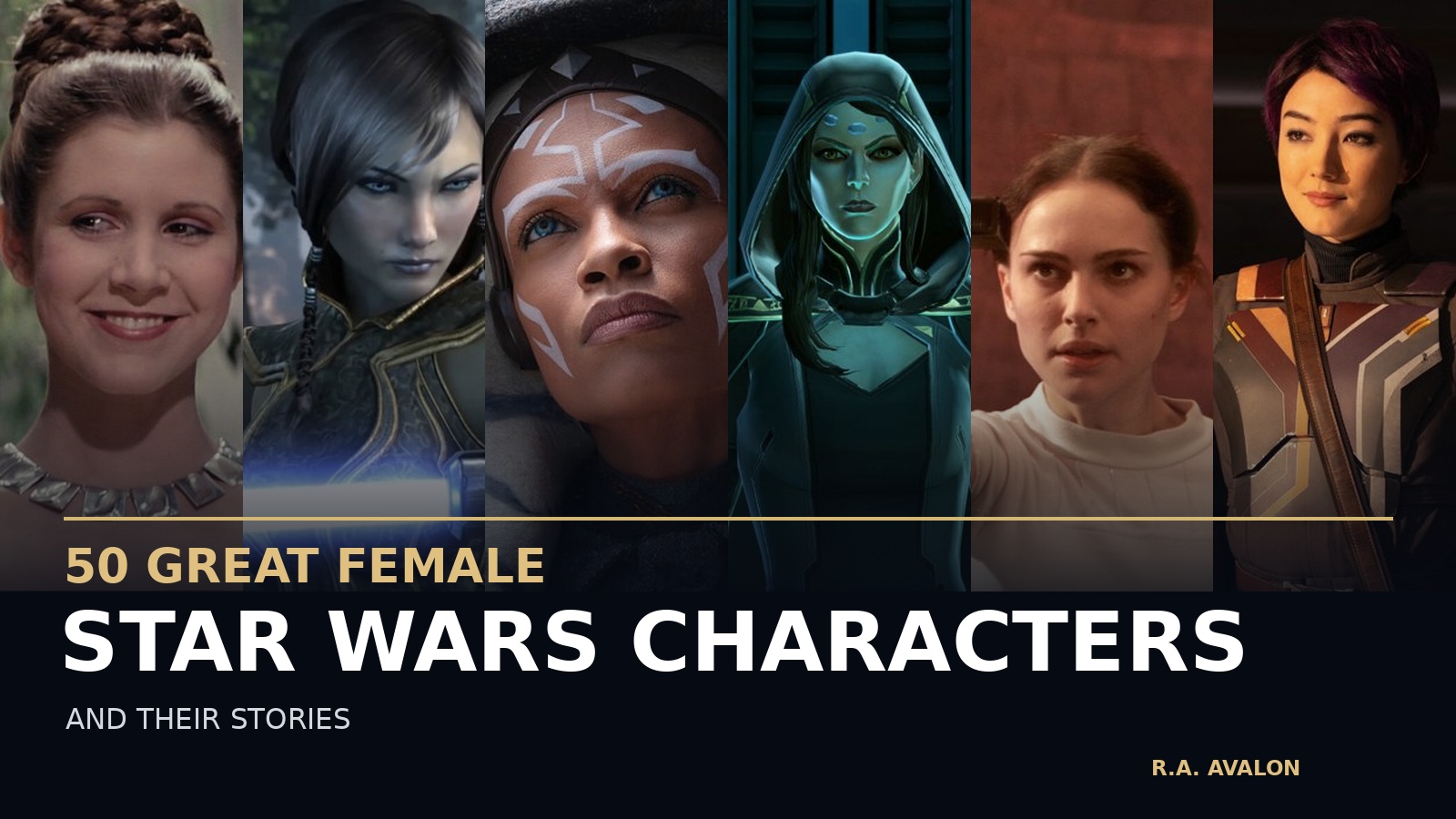
Great female Star Wars characters give the galaxy far, far away much of its heart, complexity, and danger. They lead rebellions, challenge their teachers, survive betrayal, build families, and sometimes become the very thing they once feared. What makes them memorable reaches beyond a lightsaber, a title, or an impressive entrance. It lives in their personalities, relationships, contradictions, and choices.
These are 50 women from Star Wars whose stories and backgrounds appeal to me, across the films, series, games, novels, and comics. Leia, Padmé, and Ahsoka share the conversation with Vaylin, Mara Jade, Kreia, and many others. Some embody qualities worth admiring. Others are fascinating because they reveal how fear, ambition, devotion, or the desire for control can lead someone astray.
This is a personal collection, not a top 50 or a ranking. The numbers simply help you navigate. I have grouped the characters by the themes that best capture their appeal, from leadership and resistance to identity, survival, and power. Each entry includes an archetype, a more specific sub-archetype, and a quote. The archetypes are interpretations of their stories, not official Star Wars classifications.
Their stories also feed my imagination as a writer, but there is plenty here for anyone who loves Star Wars. These women can move us, challenge our assumptions, make us laugh, or leave us arguing about their decisions long after a scene ends. Here is what makes each of them stand out.
Before you read: This article contains major spoilers across the films, series, games, novels, and comics discussed, including Andor, The Acolyte, and Maul: Shadow Lord. Canon and Legends are identified separately. Game dialogue and outcomes can vary with player choices; the entries discuss character themes rather than one universal playthrough.
Explore the themes
- Leadership and the price of responsibility (1–9)
- Rebels and the personal cost of resistance (10–17)
- Identity beyond the roles they inherited (18–25)
- Outsiders, survivors, and chosen loyalties (26–32)
- Betrayal, loss, and the pull of darkness (33–40)
- Power, belief, and manipulation (41–45)
- Hope, creativity, and unseen guardians (46–50)
Leadership and the price of responsibility
Queens, generals, Jedi, and clan leaders: these women reveal what happens when personal convictions meet responsibility for other lives.
1. Leia Organa
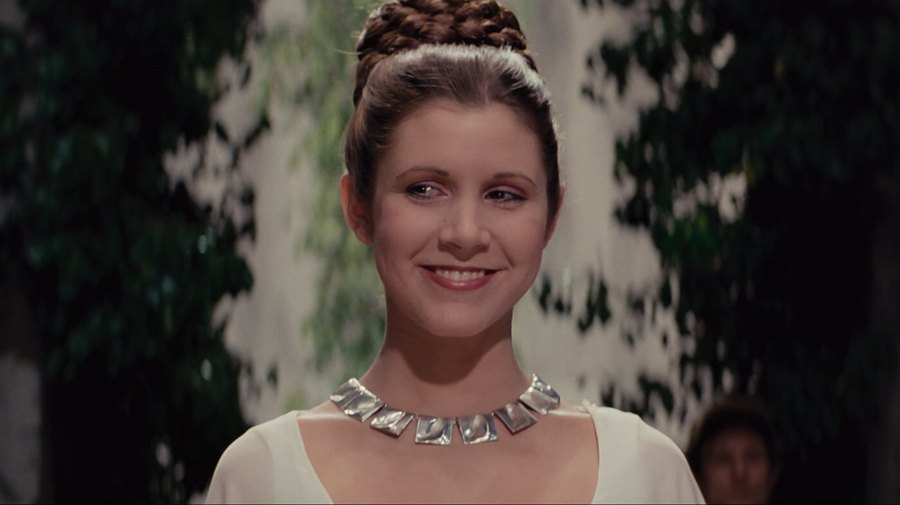
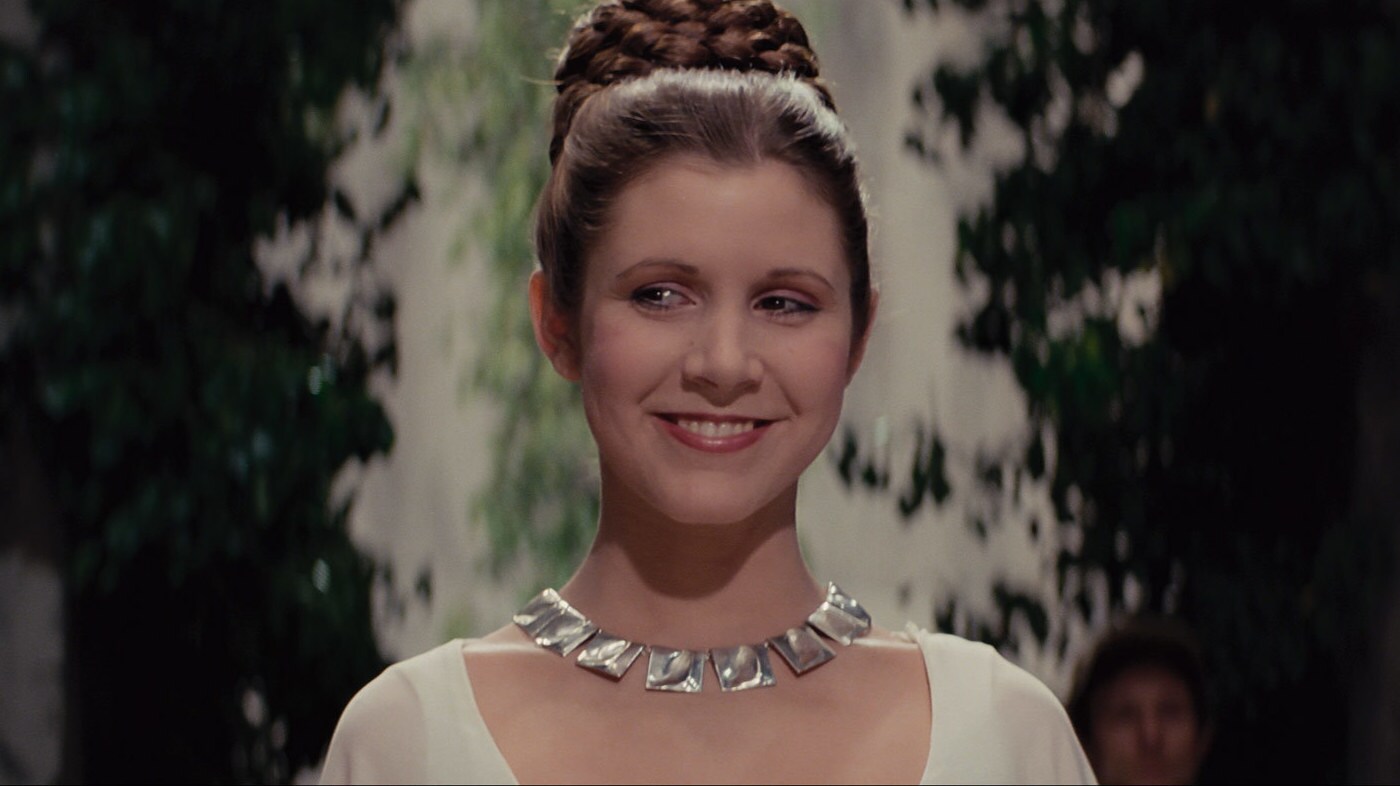
Canon · The original trilogy; the sequel trilogy; novels and comics
Archetype: Leader
Sub-archetype: The defiant protector
“Someone who loves you.”
— Leia Organa, Return of the Jedi · Quote source
Leia can command a rebellion, challenge a room full of powerful men, and still cross a galaxy for someone she loves. That combination matters to me. Her tenderness does not interrupt her strength; it explains what she is fighting for. Losing Alderaan gives her resistance a devastating personal foundation, yet she keeps making room for other people. The princess, soldier, sister, and general belong to the same woman, even when those responsibilities pull in different directions.
Why she stands out: Her courage, sharp wit, and capacity to love make her an inspiring leader whose humanity survives extraordinary loss.
2. Padmé Amidala
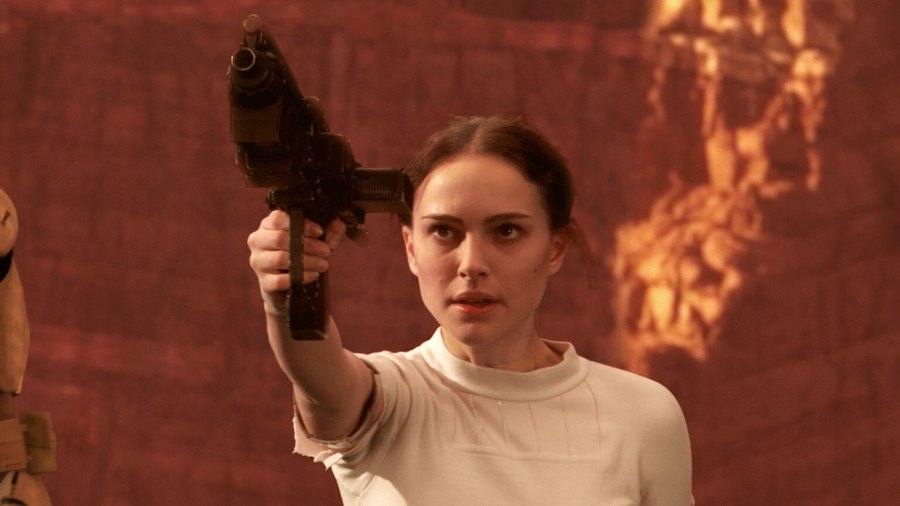
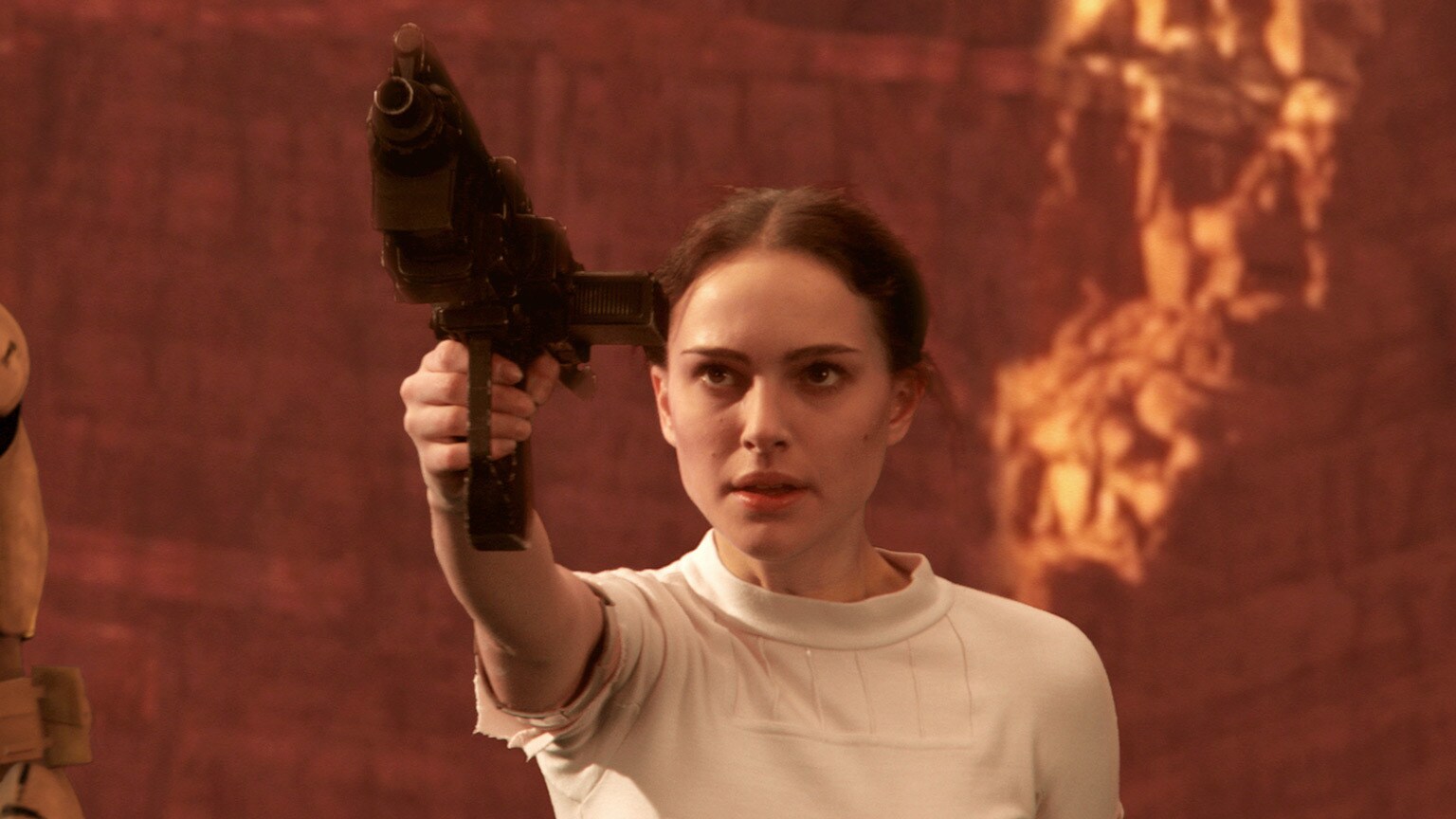
Canon · The prequel trilogy; The Clone Wars; the Queen’s novels
Archetype: Idealist
Sub-archetype: The principled diplomat
“So this is how liberty dies. With thunderous applause.”
— Padmé Amidala, Revenge of the Sith · Quote source
Padmé interests me because she believes institutions can serve people, even while those institutions are being hollowed out around her. She negotiates, investigates, argues, and sometimes takes up a weapon, but her most distinctive strength is political conviction. Her love for Anakin complicates that clarity. She can recognize the Republic’s collapse while struggling to confront the full meaning of his choices. That tension gives her more texture than either an immaculate heroine or a tragic romantic symbol.
Why she stands out: Her political conviction and personal vulnerabilities give the fall of the Republic an intimate, human dimension.
3. Mon Mothma
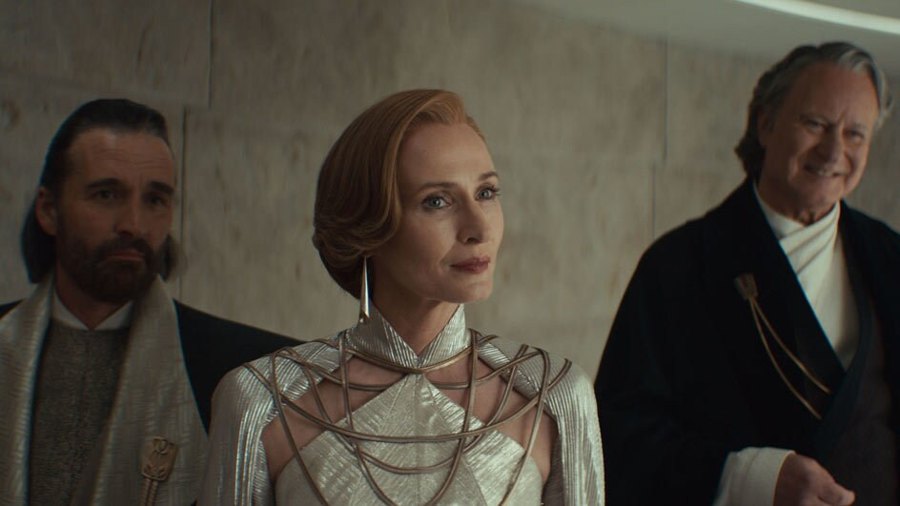
Canon · Andor; Rebels; Return of the Jedi; Ahsoka
Archetype: Leader
Sub-archetype: The compromised idealist
“Many Bothans died to bring us this information.”
— Mon Mothma, Return of the Jedi · Quote source
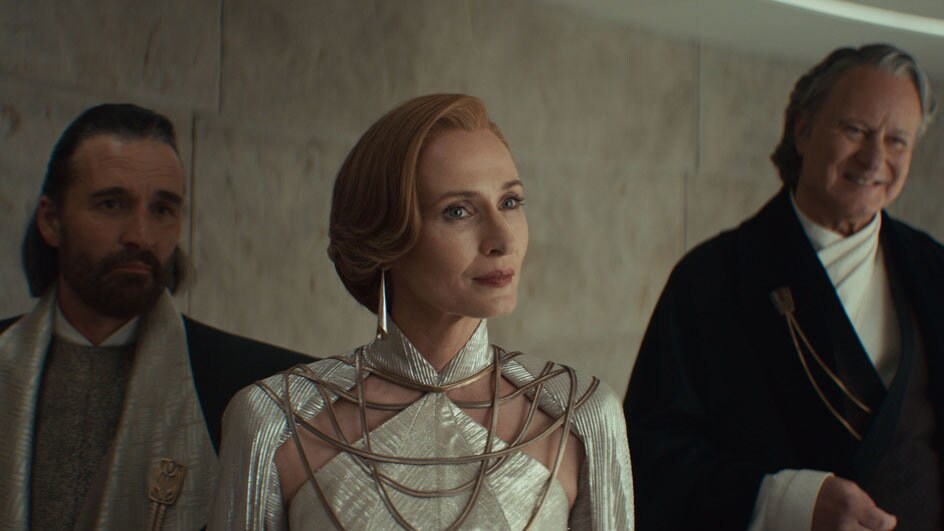
Mon Mothma makes restraint dramatic. In Andor, a conversation, a transfer of money, or a carefully controlled expression can carry the danger of a firefight. She wants a better political order, but funding resistance forces her into secrecy and compromises that reach inside her family. I find that friction more compelling than effortless moral authority. The composed public figure becomes richer when we understand the fear, calculation, and personal damage beneath the surface.
Why she stands out: She makes the courage and compromises behind rebellion visible, showing how much can be risked without ever entering a battlefield.
4. Hera Syndulla
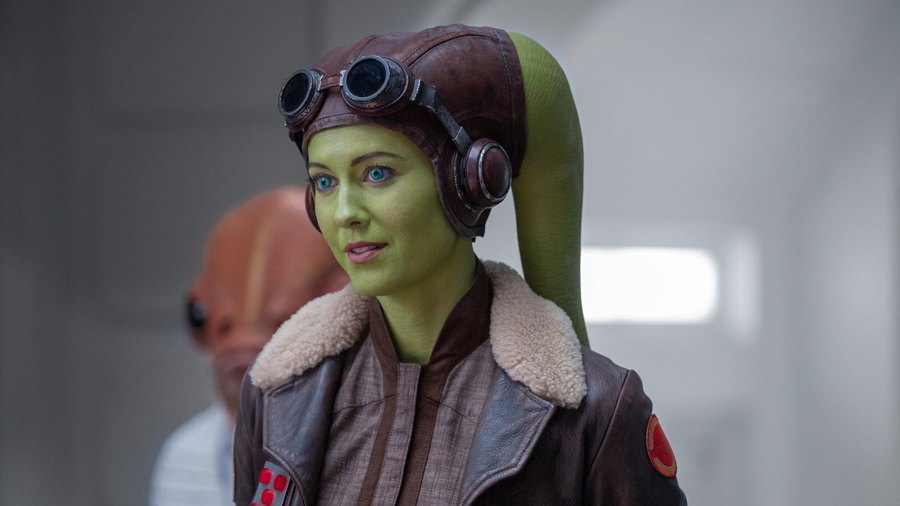

Canon · Rebels; Ahsoka; other screen and publishing stories
Archetype: Caregiver
Sub-archetype: The commander who builds a family
“We have hope. Hope that things can get better. And they will.”
— Hera Syndulla, Rebels · Quote source
Hera’s leadership begins with people. She recognizes what the Ghost crew can become together, including the people who have not yet learned to trust themselves. Yet caring for them does not free her from sending them into danger. As a pilot, rebel, partner, and mother, she lives with the collision between love and duty. What appeals to me is that her warmth remains active: she organizes, challenges, protects, and keeps the work moving.
Why she stands out: She holds a family and a cause together, combining exceptional skill with the difficult, sustained work of caring for others.
5. Satele Shan
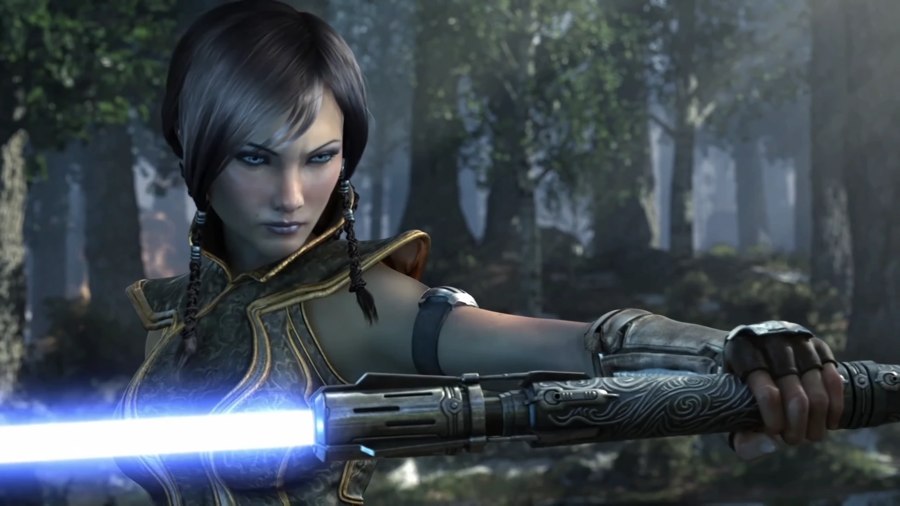

Legends · Star Wars: The Old Republic
Archetype: Sage
Sub-archetype: The warrior who seeks peace
“These are the moments we strive for, when the hope of victory becomes real.”
— Satele Shan, The Old Republic · Quote source
Satele carries the visual presence of a legendary warrior, but her appeal reaches beyond the spectacular fight scenes. As a Jedi leader, she has to consider what victory actually means and whether the Order’s habits are enough for the threats it faces. Her relationship with her son, Theron, also complicates the image of perfect serenity. I like characters whose authority has been earned, yet whose personal lives reveal the cost of the principles they have chosen.
Why she stands out: Her strength lies in both formidable ability and the continuing search for wisdom, peace, and a way forward for the Jedi.
6. Avar Kriss
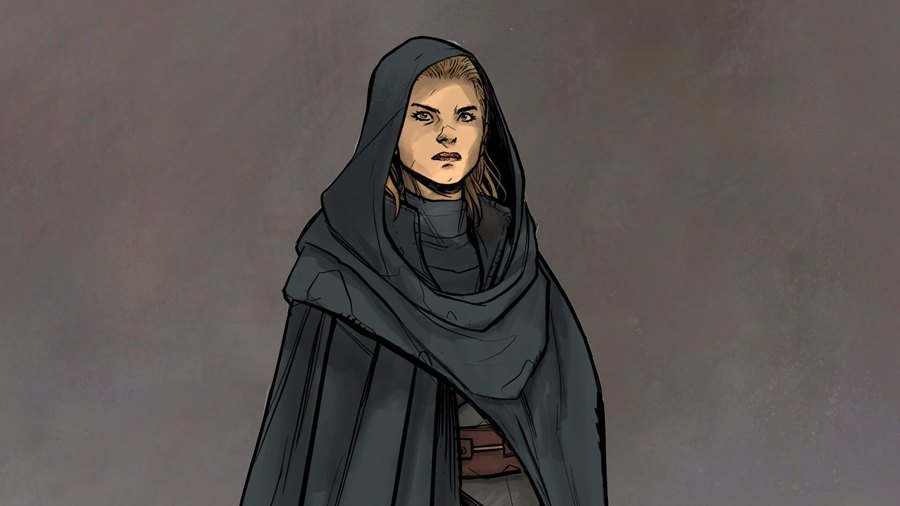

Canon · The High Republic novels and comics
Archetype: Leader
Sub-archetype: The unifying beacon
“This is our promise. This is our covenant. For light and life…”
— Avar Kriss, Light of the Jedi · Quote source
Avar experiences the Force as music, an idea that makes her gift feel personal rather than interchangeable with another Jedi’s power. Her ability to connect others turns cooperation into something almost tangible. But being celebrated as a symbol does not remove her attachments, anger, or capacity for error. That gap between the inspirational figure and the woman carrying the expectations is what holds my attention. A beacon still has to survive the darkness it is asked to illuminate.
Why she stands out: Her musical connection to the Force gives her a distinctive identity, while the pressure of being a symbol reveals the person beneath it.
7. Senya Tirall
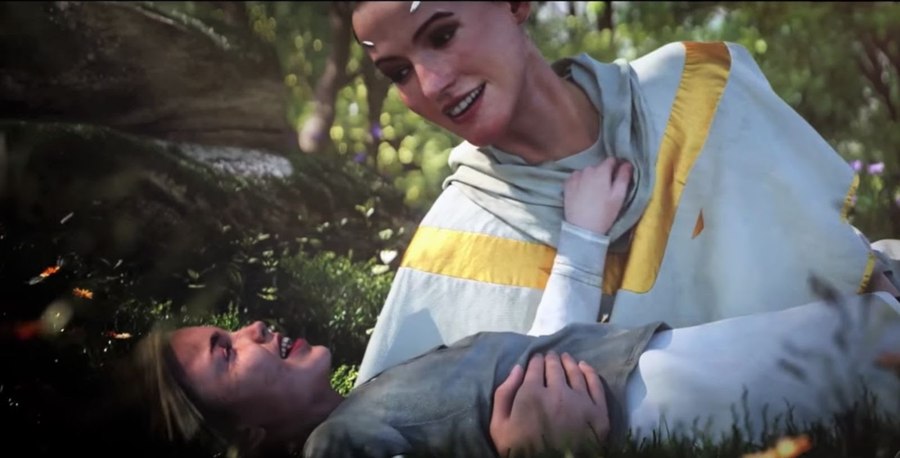

Legends · The Old Republic: Knights of the Fallen Empire; Knights of the Eternal Throne
Archetype: Guardian
Sub-archetype: The mother seeking atonement
“Now more than ever, I realize my children must be stopped and that I have to make peace with the choices I’ve made.”
— Senya Tirall, The Old Republic · Quote source
Senya’s central conflict is painfully human beneath the royal family drama: loving her children does not make their actions acceptable. Her past with Valkorion leaves her facing failures she cannot simply repair through good intentions. She is a formidable fighter, but I find her most compelling when protection and responsibility become incompatible. Her efforts to save what she can of her family invite sympathy without making every decision comfortable or correct.
Why she stands out: Her conflict between motherhood, guilt, and responsibility makes her emotionally complex: love cannot resolve every consequence or justify every rescue.
8. Bo-Katan Kryze
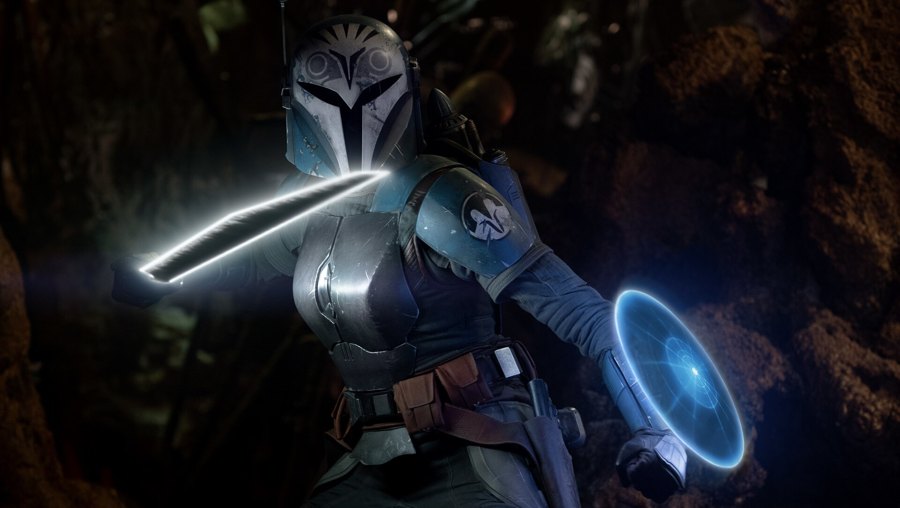
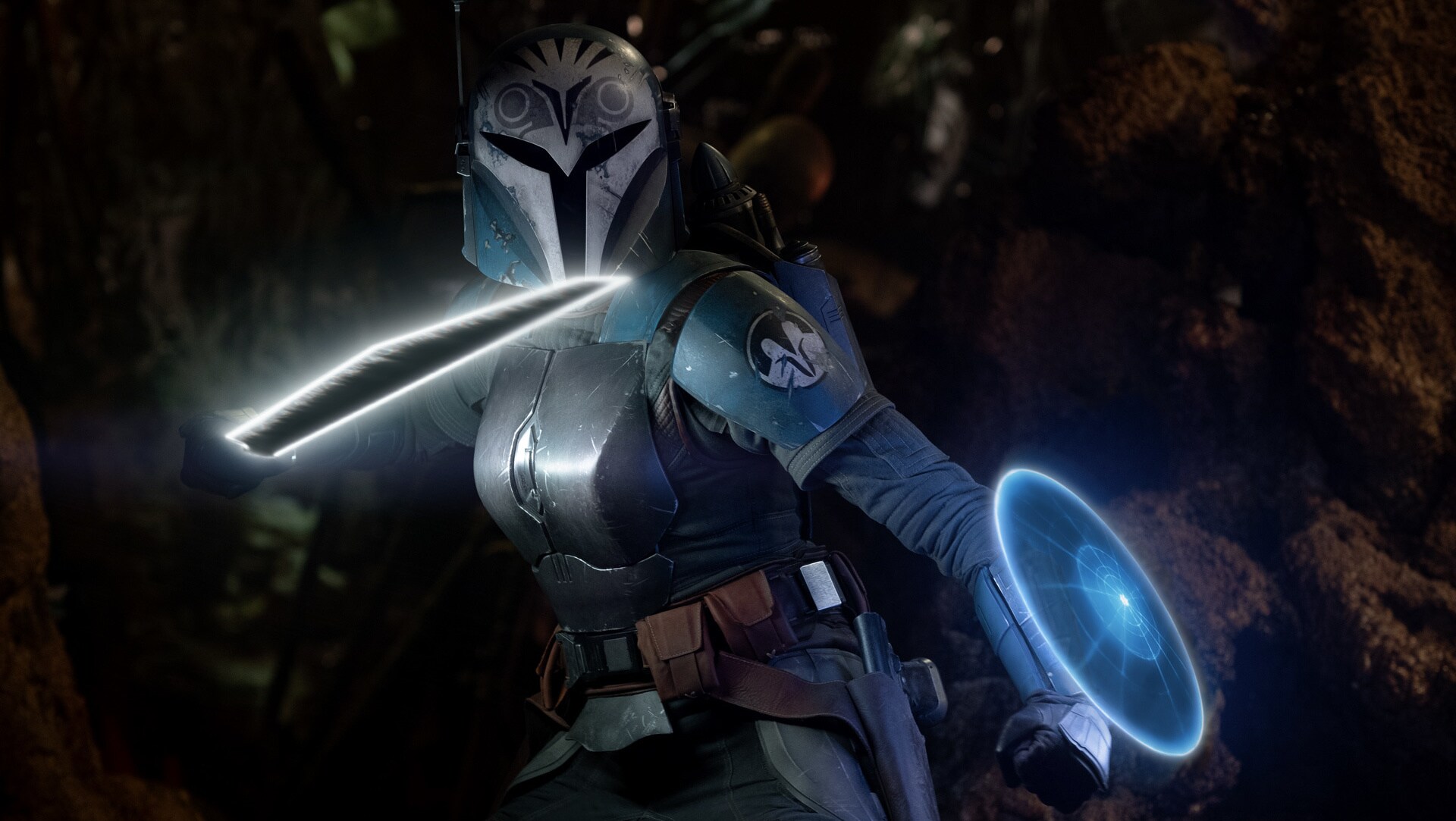
Canon · The Clone Wars; Rebels; The Mandalorian
Archetype: Ruler
Sub-archetype: The fallen claimant rebuilding trust
“Mandalorians are stronger together.”
— Bo-Katan Kryze, The Mandalorian, “The Heiress” · Quote source
Bo-Katan’s past with Death Watch prevents her later leadership from becoming a simple story about a rightful ruler returning home. She has helped create damage as well as endured it. That history makes her attempts to unite Mandalorians more interesting: inheritance, combat ability, and possession of a symbol cannot substitute for trust. I am drawn to the difference between wanting to reclaim a position and becoming someone others might choose to follow.
Why she stands out: Her failures and changing understanding of leadership make the effort to rebuild Mandalore more compelling than a straightforward claim to power.
9. Shae Vizla
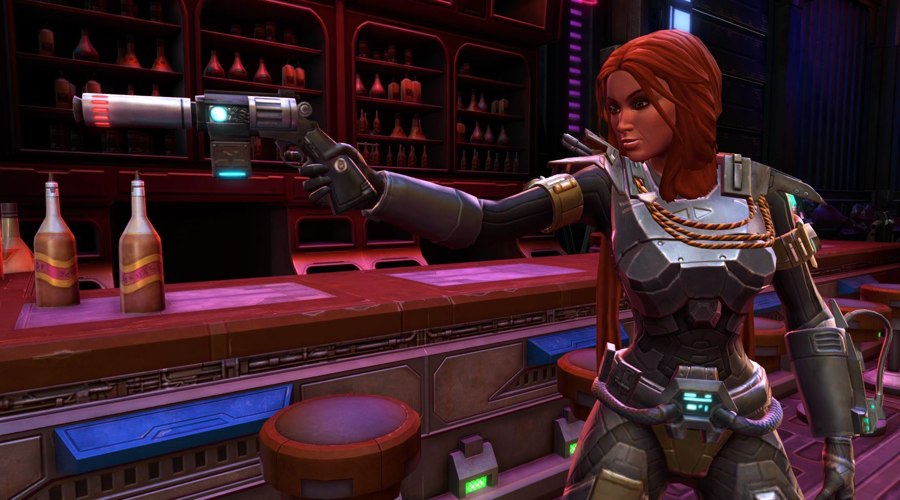

Legends · The Old Republic
Archetype: Warrior
Sub-archetype: The reluctant clan leader
“I ended up Mandalore mostly by accident.”
— Shae Vizla, The Old Republic · Quote source
Shae’s confidence makes an immediate impression, but the shift from independent bounty hunter to Mandalore gives her a more demanding problem. Personal skill no longer answers every question. She must reckon with divided loyalties, tradition, and the survival of people who expect her to represent them. Her impatience and forceful judgment can create trouble as well as solve it. That makes her a compelling leader whose greatest challenges cannot be settled by being the best fighter.
Why she stands out: She brings a bounty hunter’s independence into the burdens of leadership, where personal strength must contend with an entire people’s expectations.
Rebels and the personal cost of resistance
Resistance is sustained by more than battlefield victories. These characters make its sacrifices, loyalties, and everyday work visible.
10. Jyn Erso
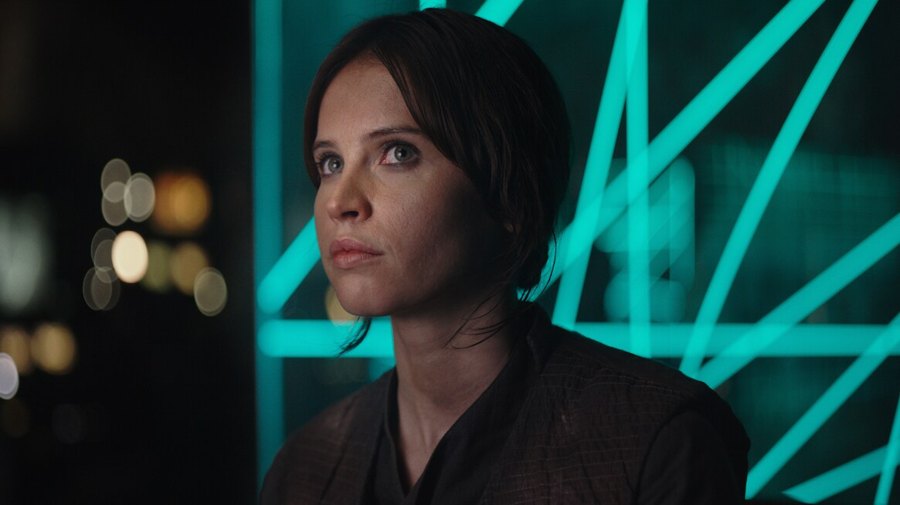
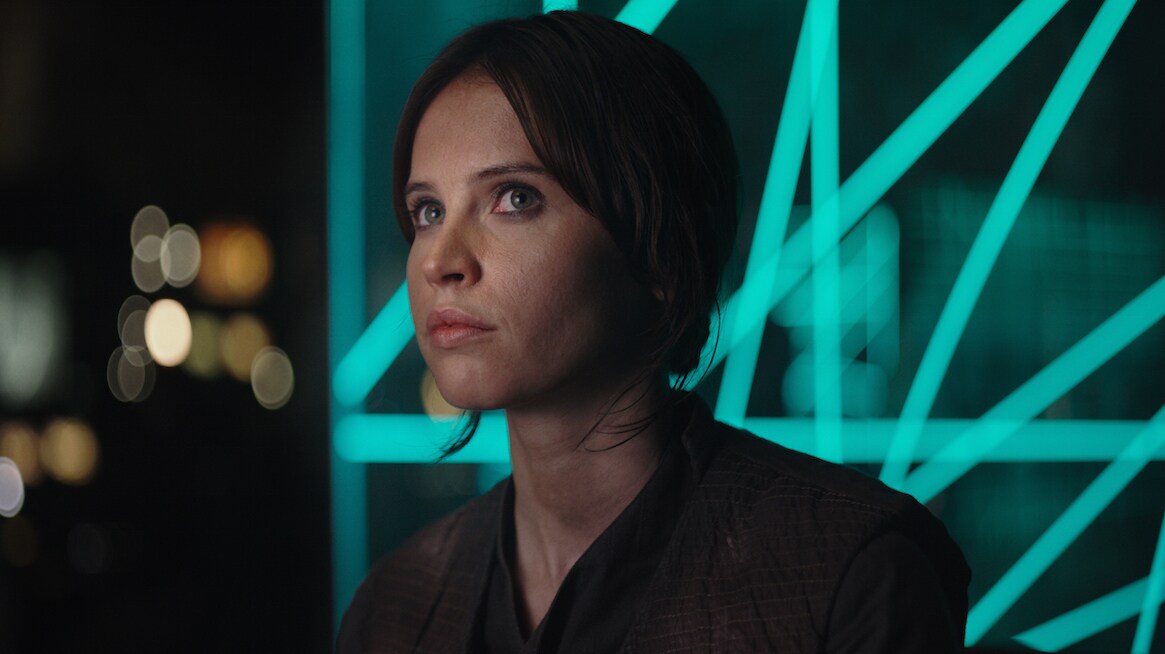
Canon · Rogue One; related novels
Archetype: Rebel
Sub-archetype: The wounded outsider who chooses a cause
“The time to fight is now.”
— Jyn Erso, Rogue One · Quote source
Jyn begins with good reasons to distrust grand causes. Childhood loss, separation, and abandonment have taught her to survive without expecting much from anyone. Her movement toward the Rebellion therefore has emotional weight: she chooses commitment after understanding what commitment can cost. Her father’s message helps make an immense conflict personal. What stays with me is that she acts without a promise of safety, recognition, or a future in which she gets to enjoy the result.
Why she stands out: Her decision to believe in something larger than survival makes her sacrifice moving, especially because hope offers her no guarantee of rescue.
11. Rose Tico
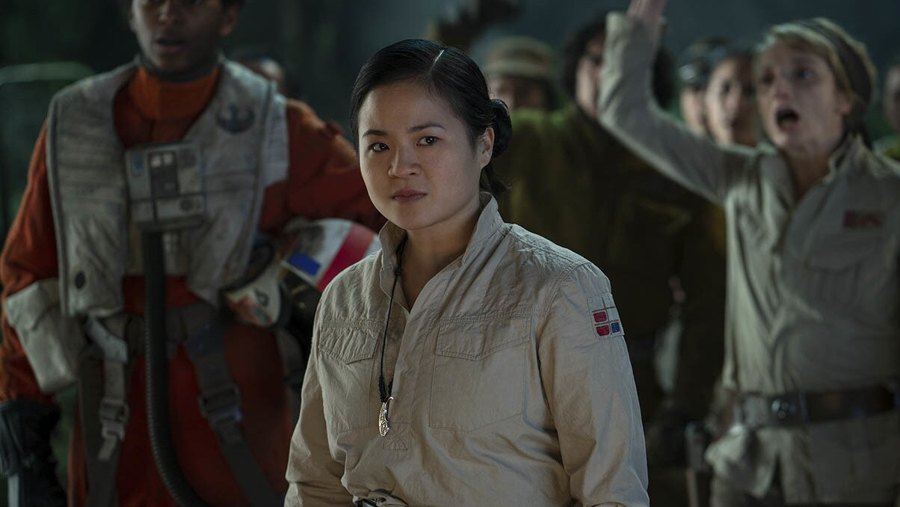

Canon · The Last Jedi; The Rise of Skywalker; related publishing
Archetype: Everyperson
Sub-archetype: The compassionate resistance fighter
“That’s how we’re gonna win. Not fighting what we hate. Saving what we love.”
— Rose Tico, The Last Jedi · Quote source
Rose brings the perspective of someone who maintains the machinery and understands the people usually left outside heroic legends. Her sister’s death makes resistance immediate and personal, while Canto Bight exposes her anger at the systems that profit from suffering. I value that her moral imagination reaches beyond defeating a single enemy. Her insistence on saving something gives her a clear dramatic purpose, even when her decisions are impulsive or complicated.
Why she stands out: She gives resistance the perspective of an ordinary worker, insisting that protecting lives and confronting exploitation belong at the heart of the fight.
12. Enfys Nest
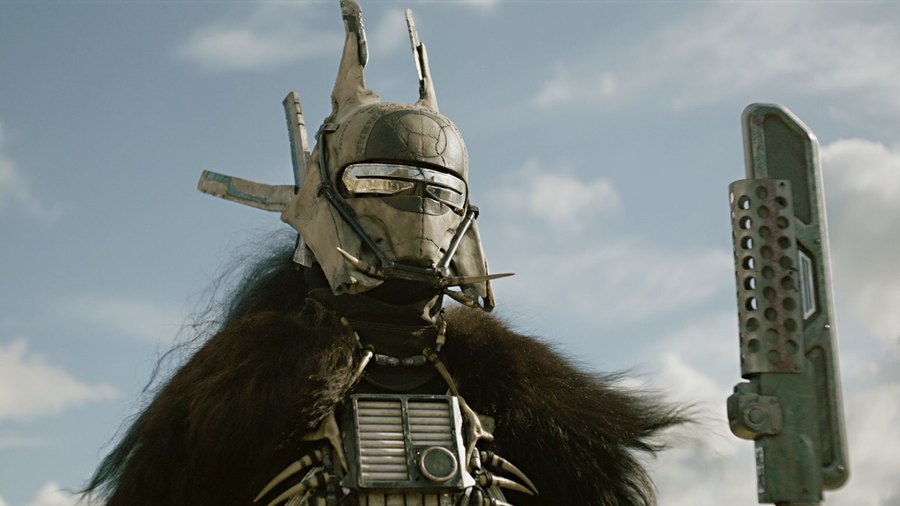

Canon · Solo: A Star Wars Story
Archetype: Rebel
Sub-archetype: The masked liberator
“We’re not marauders. We’re allies. And the war has just begun.”
— Enfys Nest, Solo · Quote source
Enfys benefits from a reveal that changes how we read what came before. The imposing masked opponent is a young resistance leader fighting exploitation, not simply an obstacle in someone else’s heist. Her background and inherited commitment give that reversal substance. What interests me is the way perspective controls our judgment: we meet her through characters who do not yet understand her cause. Once she speaks for herself, the moral shape of the story changes.
Why she stands out: Beneath the intimidating mask is a young leader with a cause, changing how we understand both her actions and the people opposing her.
13. Iden Versio
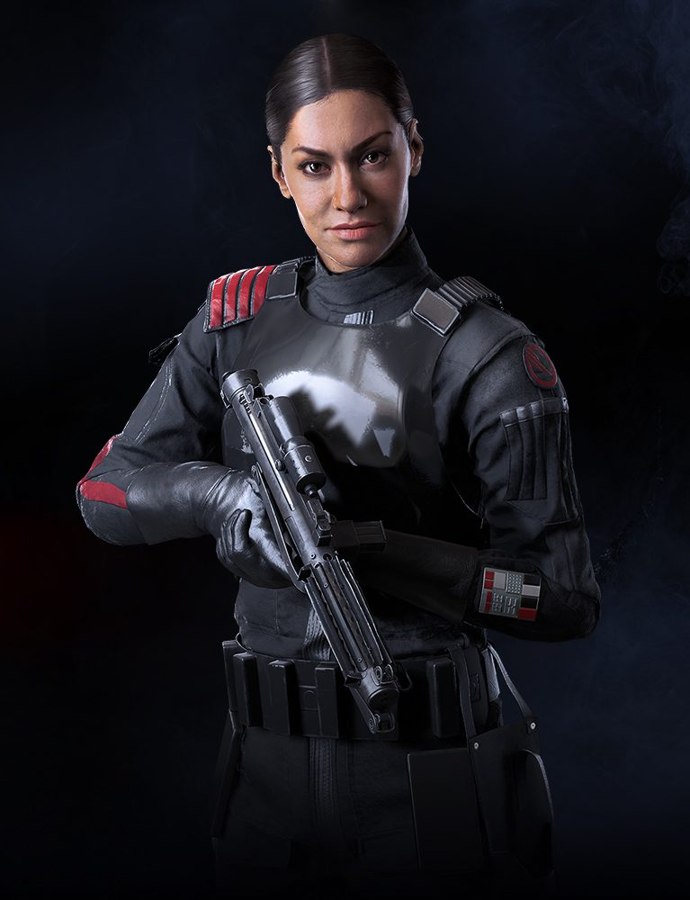

Canon · Battlefront II; Battlefront II: Inferno Squad
Archetype: Defector
Sub-archetype: The loyal soldier who redraws the line
“We fight so that others can live. And if we die, it better be for the same reason.”
— Iden Versio, Battlefront II: Resurrection · Quote source
Iden is compelling because her initial loyalty to the Empire is real. Training, identity, and her relationship with her father all support it. Operation: Cinder confronts her with the human reality of serving that system, including its willingness to destroy its own people. Defection means more than changing uniforms; it requires accepting that a trusted framework was profoundly wrong. Her later life adds another dimension, showing that a decisive break can begin a new responsibility rather than conclude a story.
Why she stands out: She has the courage to question the institution that shaped her identity and accept the personal cost of breaking with it.
14. Cara Dune
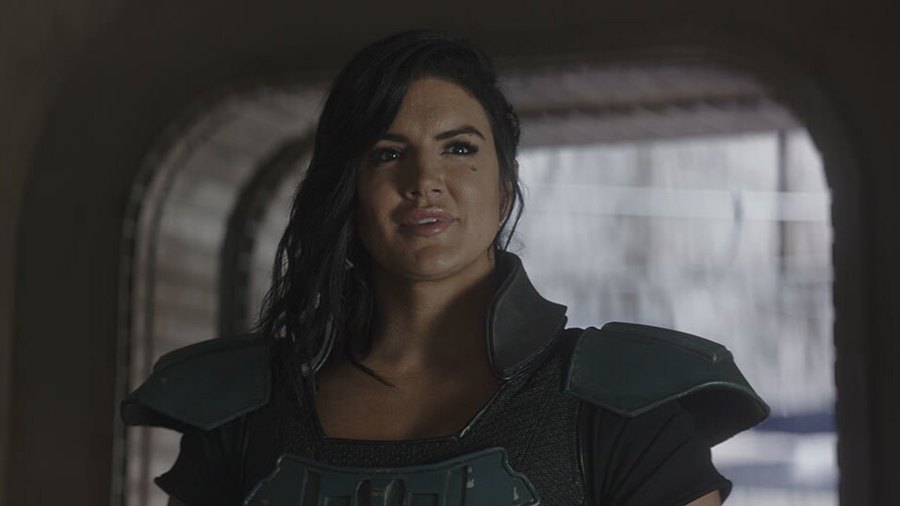

Canon · The Mandalorian
Archetype: Warrior
Sub-archetype: The veteran searching for a place
“I’m not a ‘joiner,’ Blue.”
— Cara Dune, The Mandalorian · Quote source
Cara carries the force and practical confidence of a former Rebel shock trooper. As an Alderaanian, she also carries a loss that cannot be repaired by winning the war. What appeals to me is the question underneath that toughness: where does a fighter belong once the struggle that organized her life has changed? Her willingness to protect people on a smaller scale gives her a purpose that feels concrete, immediate, and rooted in relationships.
Why she stands out: Her toughness carries a veteran’s history of loss, while protecting a community offers her a purpose beyond the war she once fought.
15. Bix Caleen
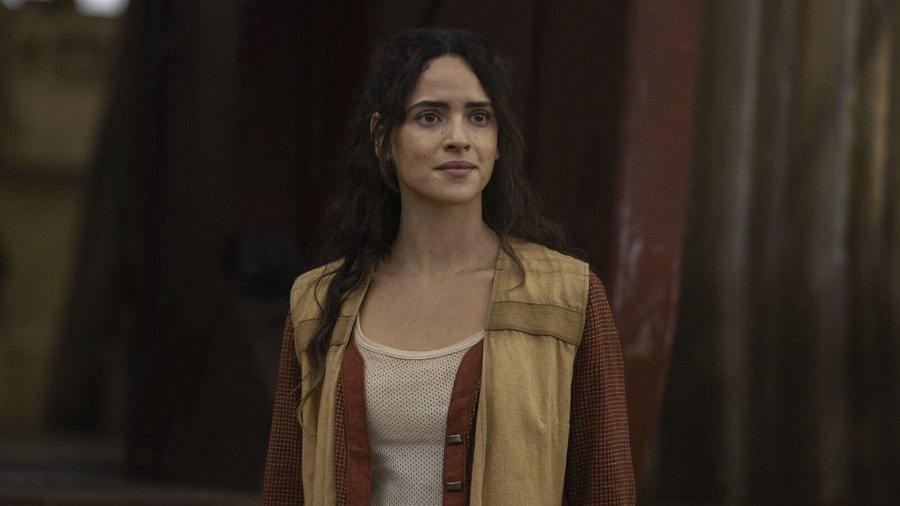

Canon · Andor
Archetype: Survivor
Sub-archetype: The community builder reclaiming agency
“And then we will have time to be together, when it’s over, when it’s done.”
— Bix Caleen, Andor, season two · Quote source
Bix has a life before the Rebellion’s demands become overwhelming: work, friendships, practical expertise, and complicated attachments on Ferrix. That foundation matters. The Empire’s violence does not turn an empty supporting role into a person; it attacks a person already fully there. Her recovery and later decisions give her an interior life beyond what Cassian needs from her. I am drawn to the space between wanting a shared future and recognizing what the present will actually allow.
Why she stands out: Her practical skill, relationships, and determination give her a life of her own; her survival matters because of the person she already is.
16. Cinta Kaz
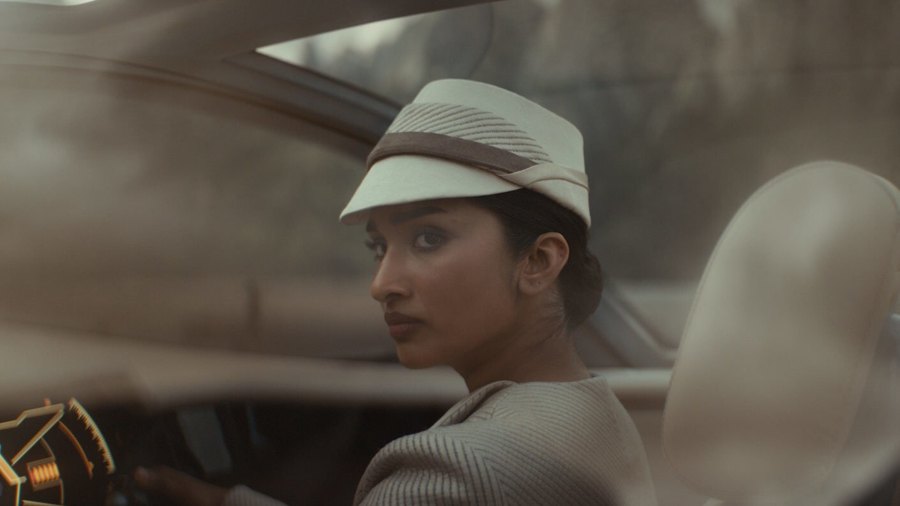

Canon · Andor
Archetype: Rebel
Sub-archetype: The uncompromising operative
“I’m a mirror, Vel. You love me because I show you what you need to see.”
— Cinta Kaz, Andor, “Narkina 5” · Quote source
Cinta’s stillness gives her intensity. The murder of her family by stormtroopers helps explain her commitment, but the writing does not make that commitment easy to live beside. Her relationship with Vel exposes the emotional consequences of placing a cause above almost everything else. Affection exists, yet it does not automatically outrank the mission. I find her compelling because devotion can look admirable from a distance and painfully inaccessible to the person trying to share a life with it.
Why she stands out: Her unwavering commitment is powerful and unsettling, exposing what devotion to a cause can demand from love and intimacy.
17. Kleya Marki
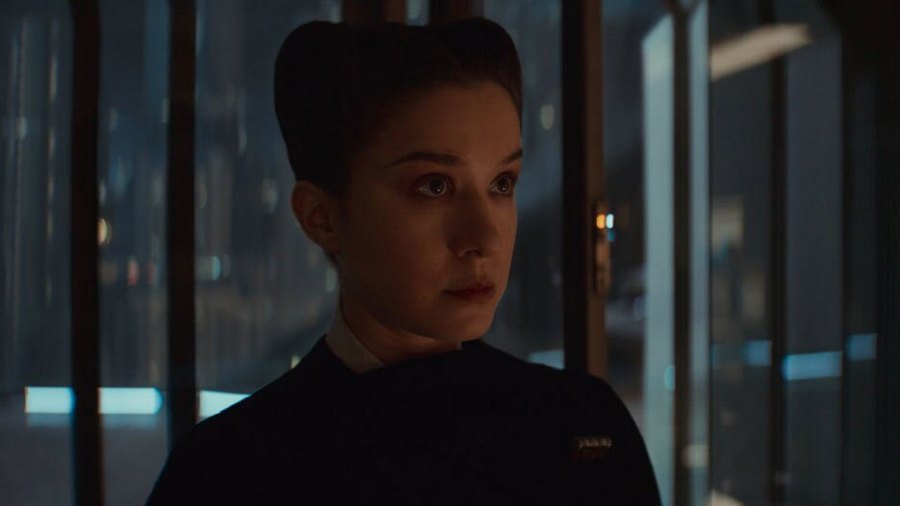

Canon · Andor
Archetype: Guardian
Sub-archetype: The invisible keeper of the network
“I don’t have lately. I have always.”
— Kleya Marki, Andor, “Daughter of Ferrix” · Quote source
Kleya’s composure makes her easy to underestimate until we understand how much depends on her. Beneath the polished surface of an antiques business, she maintains dangerous connections and makes decisions with little room for hesitation. Her history with Luthen deepens that discipline into something personal and costly. What holds my attention is how much feeling can exist beneath controlled behavior. She does not need to explain every emotion for the burden of her choices to register.
Why she stands out: Her quiet discipline holds enormous emotional weight, revealing the hidden work and personal sacrifices that keep resistance alive.
Identity beyond the roles they inherited
A title, teacher, bloodline, or institution can shape a person without settling who they must become.
18. Ahsoka Tano
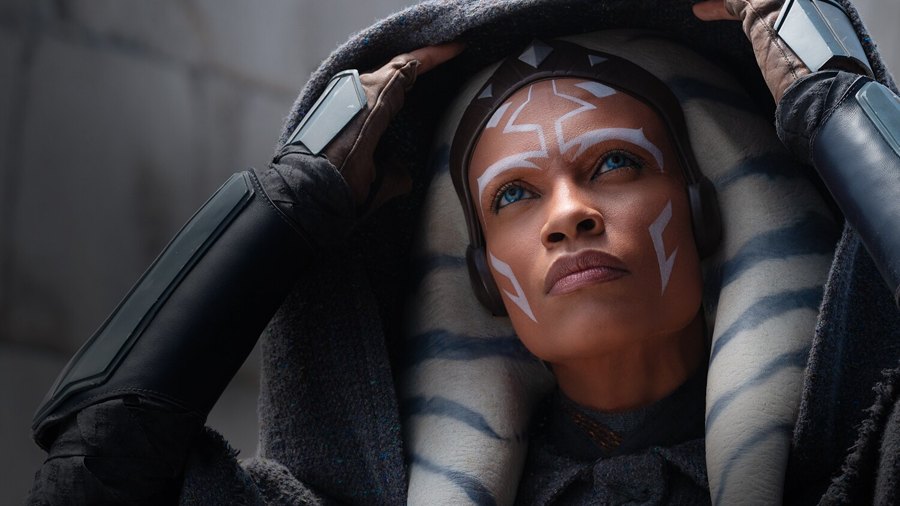

Canon · The Clone Wars; Rebels; Ahsoka
Archetype: Seeker
Sub-archetype: The principled exile
“I am no Jedi.”
— Ahsoka Tano, Rebels, “Twilight of the Apprentice” · Quote source
Ahsoka’s growth is powerful because we are allowed to meet her before she becomes wise. Impatience, confidence, mistakes, and affection all belong to her development. The Jedi Order’s failure to stand by her forces a painful distinction between belonging to an institution and living by meaningful principles. Leaving does not erase her compassion or her training. I love the possibilities in a character who must decide which parts of an inherited identity remain hers after its official label no longer fits.
Why she stands out: Her growth feels earned. She can question the Jedi Order and leave it while continuing to act with compassion, courage, and conviction.
19. Rey


Canon · The sequel trilogy
Archetype: Seeker
Sub-archetype: The abandoned child choosing belonging
“I know all about waiting.”
— Rey, The Force Awakens · Quote source
Rey’s early life gives her competence and longing at the same time. She can repair, scavenge, fight, and survive, yet still organize her emotional world around people who may never return. That contradiction draws me in. Her search for identity becomes most meaningful when belonging is something she must choose and build. Whatever the revelations about her ancestry, the emotional question remains compelling: can she stop treating an explanation of her past as permission to have a future?
Why she stands out: Her resourcefulness and longing for belonging make a deeply human combination, giving emotional weight to her search for an identity she can choose.
20. Bastila Shan


Legends · Knights of the Old Republic
Archetype: Hero
Sub-archetype: The gifted prodigy under pressure
“The Force fights with me!”
— Bastila Shan, Knights of the Old Republic · Quote source
Bastila’s Battle Meditation makes her strategically invaluable, and that importance feeds both her discipline and her pride. I find the pressure around her gift as interesting as the gift itself. She has been taught to represent certainty while wrestling with vulnerability, attachment, and fear. Her fall exposes the distance between an admired role and the person expected to perform it. Depending on the player’s choices, her story also makes room for a return that requires connection rather than mere superiority.
Why she stands out: Her exceptional gift does not spare her pride, fear, or vulnerability, making her struggle more compelling than effortless Jedi perfection.
21. Kira Carsen
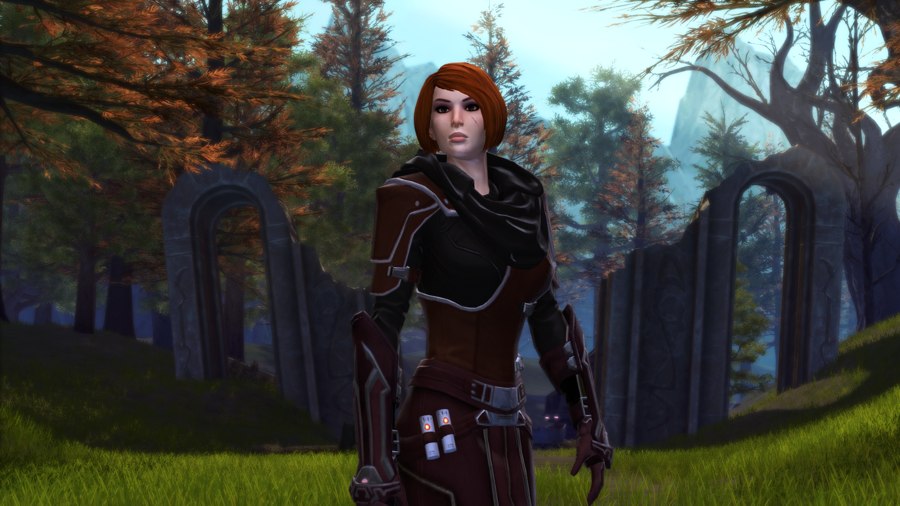

Legends · The Old Republic
Archetype: Rebel
Sub-archetype: The survivor who refuses the script
“Eat lightsaber, jerk!”
— Kira Carsen, The Old Republic · Quote source
Kira’s irreverence is part of her appeal, especially against the weight of her background as a Child of the Emperor. Someone tried to make her an instrument, and her voice insists on personhood. Her humor, initiative, and willingness to challenge authority keep her from becoming a solemn collection of painful revelations. She can take danger seriously without surrendering her personality to it. For me, that makes her a memorable example of resilience expressed through energy and wit.
Why she stands out: Her humor and defiance give her a vivid identity beyond the role the Emperor intended for her. She insists on belonging to herself.
22. Ashara Zavros


Legends · The Old Republic
Archetype: Idealist
Sub-archetype: The dissenter between traditions
“Passion, peace. Strength, knowledge. Power, serenity. Victory, harmony. Freedom, the Force.”
— Ashara Zavros, The Old Republic · Quote source
Ashara interests me because she does not fit comfortably into the role the Sith Inquisitor’s story seems to offer her. Association with a Sith does not simply erase her Jedi convictions. She argues, searches for common ground, and tries to reconcile principles that resist easy reconciliation. That can make her frustrating, but it also makes her feel like someone with an agenda of her own. I appreciate companions who do not exist solely to confirm the protagonist’s worldview.
Why she stands out: She keeps questioning and defending her convictions in uncomfortable circumstances, giving her a perspective that cannot simply be absorbed into someone else’s agenda.
23. Brianna, the Handmaiden

Legends · Knights of the Old Republic II: The Sith Lords
Archetype: Seeker
Sub-archetype: The dutiful apprentice finding her own name
“When you risk pain or death for another, there is no truer test of your beliefs and strength.”
— Brianna, the Handmaiden, Knights of the Old Republic II · Quote source
Brianna has been shaped by discipline, service to Atris, and the complicated place she occupies among her sisters. Combat becomes a language through which she explores trust and conviction. Beneath the title of Handmaiden is a person whose heritage and loyalties do not align as neatly as she has been encouraged to believe. Her name matters because it points toward individuality. I find that movement from assigned function toward a fuller sense of self quietly powerful.
Why she stands out: Behind her discipline and title is a woman discovering how heritage, loyalty, and personal conviction can lead in different directions.
24. Juhani
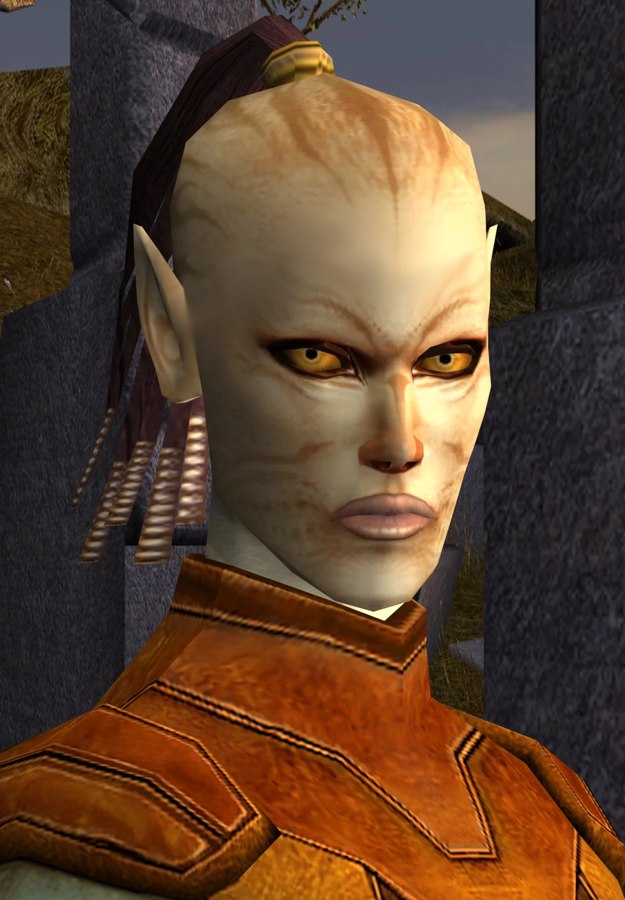

Legends · Knights of the Old Republic
Archetype: Survivor
Sub-archetype: The wounded believer learning self-acceptance
“The foolish delusions of a child. But THIS child made it happen!”
— Juhani, Knights of the Old Republic · Quote source
Juhani’s desire to become a Jedi carries the force of a childhood dream formed amid persecution and hardship. Reaching that dream does not instantly heal her shame or fear of failure. Her struggle with anger is compelling because it exists alongside tenderness, aspiration, and the possibility of trust. I do not read her as a lesson in becoming emotionally flawless. I see someone learning that one terrible mistake need not contain the whole truth about who she can become.
Why she stands out: Her hard-won dream of becoming a Jedi coexists with shame and uncertainty, making the possibility of acceptance and another chance especially moving.
25. Visas Marr
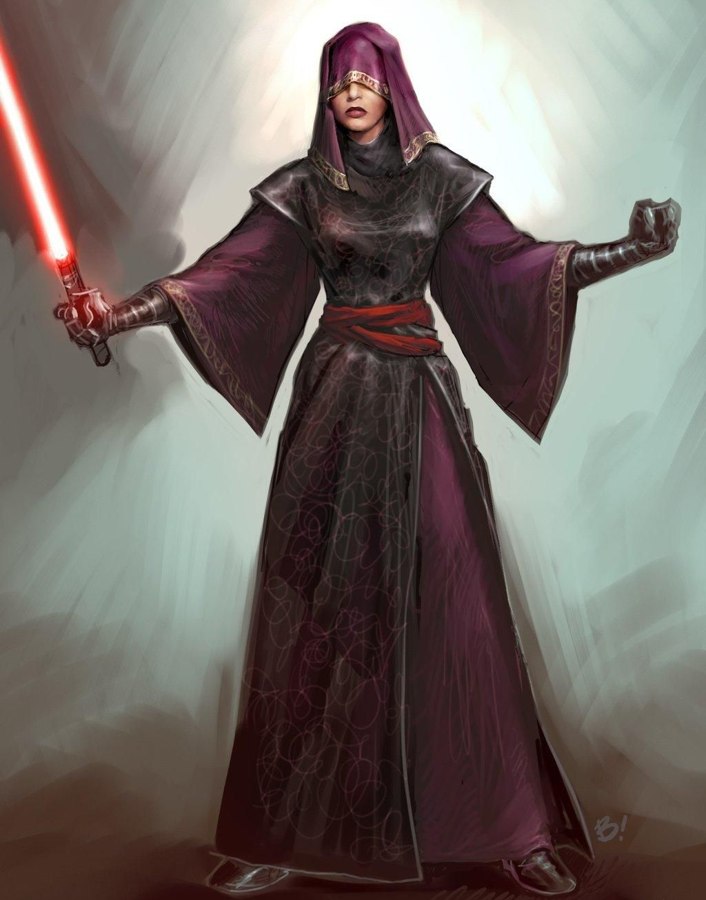

Legends · Knights of the Old Republic II: The Sith Lords
Archetype: Survivor
Sub-archetype: The devoted witness reclaiming choice
“My life for yours.”
— Visas Marr, Knights of the Old Republic II · Quote source
Visas’s survival of Katarr and service to Darth Nihilus leave her with a devastating understanding of loss and powerlessness. Her gentleness is striking beside that history. Yet the line that defines her devotion also raises a difficult question: when does loyalty become the surrender of the self? Her relationship with the Exile can open a different way of living and connecting. What inspires me is the possibility of recovery that preserves quietness without mistaking obedience for healing.
Why she stands out: Her gentleness after devastating loss gives her quiet strength, while her journey raises meaningful questions about trust, devotion, and recovering the freedom to choose.
Outsiders, survivors, and chosen loyalties
These women make their way through a galaxy that rarely offers uncomplicated safety. Their humor, relationships, and compromises make that journey distinctive.
26. Mara Jade
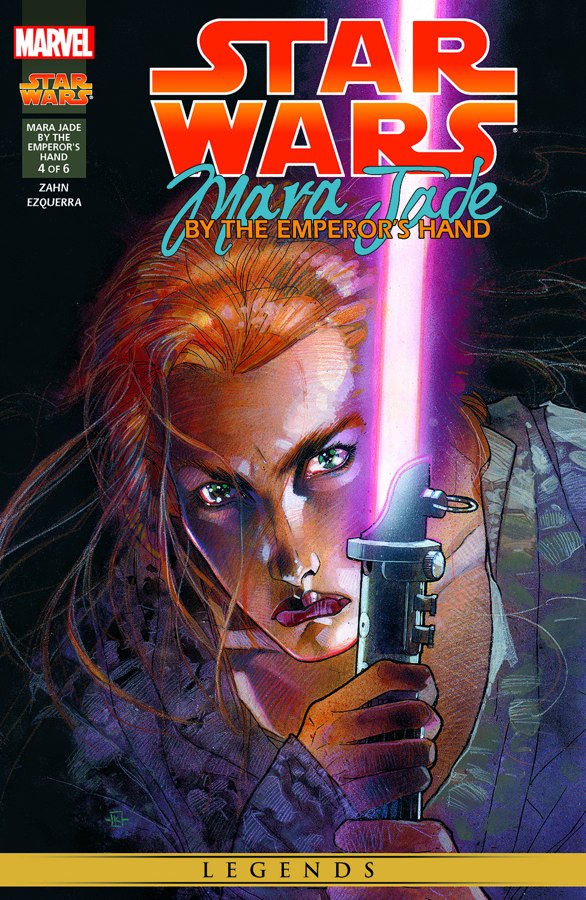

Legends · The Thrawn trilogy; Mara Jade: By the Emperor’s Hand; later novels
Archetype: Outsider
Sub-archetype: The former weapon becoming her own person
“You came out of a grubby sixth-rate farm on a tenth-rate planet, and destroyed my life.”
— Mara Jade, Heir to the Empire · Quote source
Mara begins with skill, anger, and a version of her life built around serving Palpatine. Losing that structure leaves her both liberated and destabilized. Her hostility toward Luke therefore has roots beyond convenient dramatic friction. I enjoy the slow work of separating what she was conditioned to want from what she chooses for herself. Her later bonds and Jedi identity matter because they develop from a woman who already possesses a formidable voice, history, and sense of competence.
Why she stands out: Her sharp voice and formidable competence anchor a rich journey from serving another person’s will to building an identity and loyalties of her own.
27. Vette
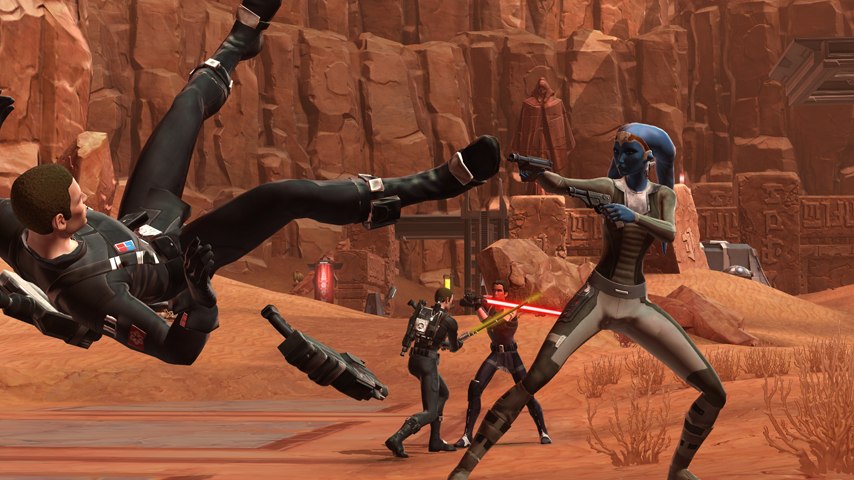

Legends · The Old Republic
Archetype: Trickster
Sub-archetype: The irreverent survivor
“Me and my buddy, the Sith. Nobody’s going to pick on me at school!”
— Vette, The Old Republic · Quote source
Vette’s humor makes her immediately memorable, but it matters most in relation to the history beneath it. Enslavement and separation from family have not erased her curiosity, opinions, or capacity for joy. Her jokes can puncture the grandiosity around the Sith Warrior without making her suffering trivial. Because the player’s treatment of her can vary, her story also exposes the moral meaning of everyday power. I value how strongly her personality resists being reduced to someone else’s possession or reward.
Why she stands out: She brings wit, warmth, and a fiercely individual perspective to a world that has repeatedly tried to deny her freedom.
28. Mission Vao


Legends · Knights of the Old Republic
Archetype: Everyperson
Sub-archetype: The streetwise optimist
“With my street smarts and his muscle, we make a great team.”
— Mission Vao, Knights of the Old Republic · Quote source
Mission combines practical resourcefulness with a teenager’s very understandable hunger for belonging. She knows how to navigate Taris, but knowledge of the streets does not make her immune to disappointment, especially where her brother is concerned. Her friendship with Zaalbar gives her story a sturdy emotional center. What appeals to me is that optimism survives alongside experience. She can see a great deal clearly and still want to believe the best about someone she loves.
Why she stands out: She is capable without being invulnerable, and hopeful without being untouched by disappointment. Her friendship with Zaalbar gives that combination real warmth.
29. Qi’ra
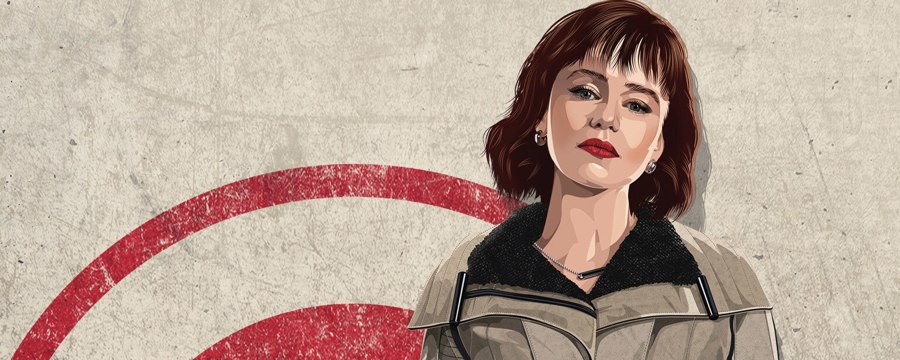

Canon · Solo; Crimson Climb; Crimson Reign; Hidden Empire
Archetype: Strategist
Sub-archetype: The survivor turned power broker
“Everyone serves somebody, Han.”
— Qi’ra, Solo · Quote source
Qi’ra understands that survival can demand performances, bargains, and choices other people would rather not examine. Her affection for Han does not erase the life she has lived without him. That independent history is essential to her appeal. As her story expands through Crimson Dawn, her ambition develops beyond escaping danger into trying to reshape the balance of power. I find her compelling because intimacy and strategy remain present together, without one neatly explaining away the other.
Why she stands out: Her affection, ambition, and survival instincts coexist without easy resolution, making her choices intriguing even when they are difficult to trust.
30. Doctor Chelli Lona Aphra


Canon · Darth Vader; Doctor Aphra comics
Archetype: Trickster
Sub-archetype: The self-sabotaging rogue scholar
“I think you’re… Y’know. Nice.”
— Doctor Chelli Lona Aphra, Doctor Aphra (2016) #18 · Quote source
Aphra’s intelligence does not protect her from being her own worst problem. She improvises brilliantly, crosses boundaries, and often damages the relationships she cannot quite stop wanting. The contrast between spectacular confidence and awkward vulnerability makes her especially enjoyable to read. Her archaeology also gives the galaxy’s past a messy, material presence: history becomes something people steal, misuse, misunderstand, and profit from. I like how her humor can coexist with genuine moral ugliness and emotional consequence.
Why she stands out: Her brilliance, disastrous judgment, and awkward vulnerability make her a vivid rogue whose charm never quite keeps her ahead of the consequences.
31. Fennec Shand
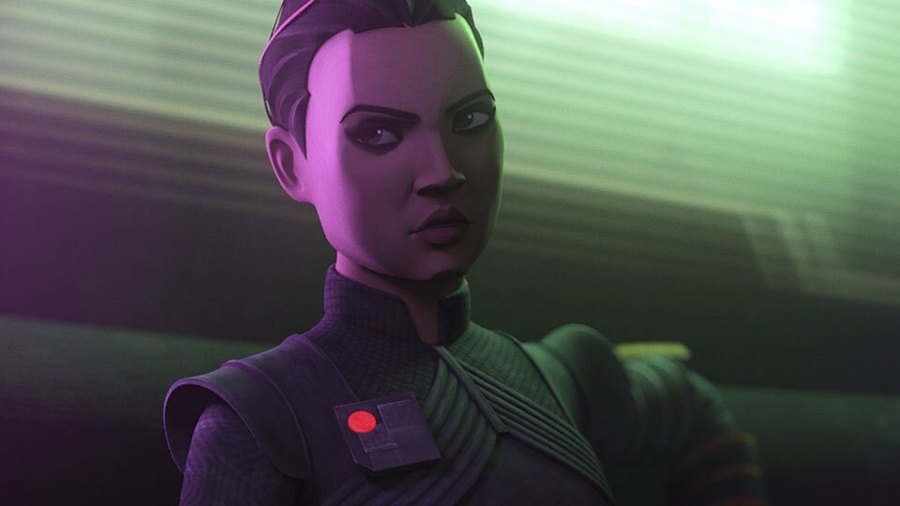

Canon · The Mandalorian; The Book of Boba Fett; The Bad Batch
Archetype: Warrior
Sub-archetype: The pragmatic professional
“I take it I’m worth more alive, huh?”
— Fennec Shand, The Book of Boba Fett, “The Gathering Storm” · Quote source
Fennec’s appeal lies in precision. She evaluates danger, understands her own value, and rarely wastes movement or words. Her partnership with Boba Fett grows out of survival and reciprocity, which gives it a different texture from unquestioning devotion. She can be loyal while remaining clear-eyed about the world they occupy. Her preparation, observation, and practical responses make her competence convincing. She brings a grounded, dangerous presence to a galaxy full of people eager to announce their importance.
Why she stands out: Her precision and composure make her formidable, while her chosen loyalties reveal a person who understands both survival and reciprocity.
32. Merrin
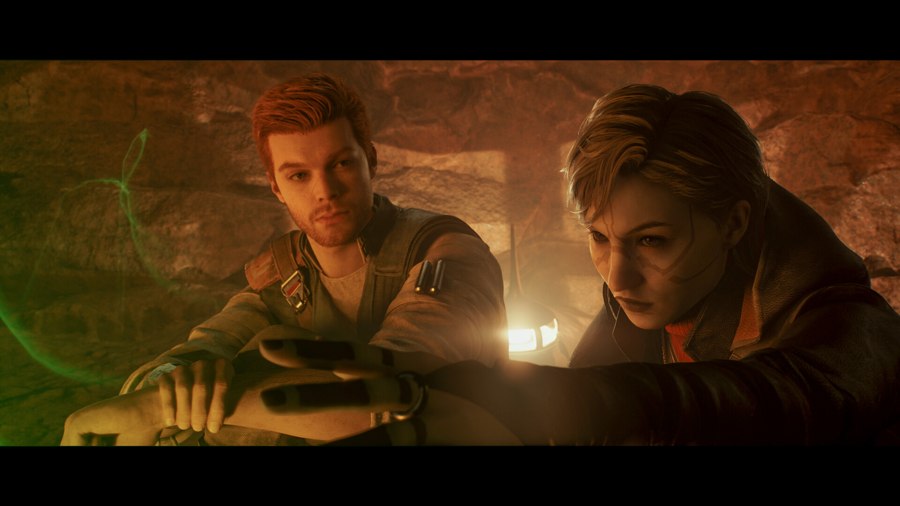

Canon · Jedi: Fallen Order; Jedi: Survivor; Battle Scars
Archetype: Survivor
Sub-archetype: The last daughter opening her world
“I thought if I let go of the pain, I would be letting go of the people I loved.”
— Merrin, Jedi: Survivor · Quote source
Merrin’s grief is inseparable from the loss of her Nightsister community, but her development reaches beyond mourning. She questions what she has been told, discovers people outside Dathomir, and decides what parts of her heritage she wants to carry forward. Her dry humor gives that movement texture. I especially value the idea that healing need not mean forgetting. New relationships and experiences can expand a life without replacing the people and culture that made it meaningful.
Why she stands out: Her grief, dry humor, and willingness to discover a wider world make her journey moving: new connections can coexist with love for what was lost.
Betrayal, loss, and the pull of darkness
A painful history can open many paths. These stories explore the choices, deceptions, and relationships that direct someone toward—or away from—destruction.
33. Vaylin
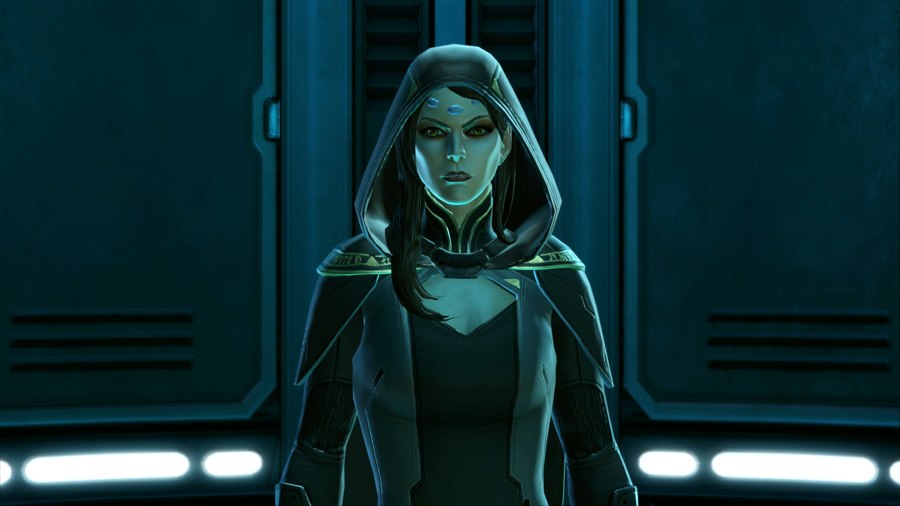

Legends · The Old Republic: Knights of the Fallen Empire; Knights of the Eternal Throne
Archetype: Destroyer
Sub-archetype: The imprisoned child turned tyrant
“Rules are for people who lack the creativity to break them.”
— Vaylin, The Old Republic · Quote source
Vaylin’s terrifying power exists beside a history of confinement, abuse, and deliberate conditioning. That does not excuse her cruelty, but it makes the relationship between control and freedom central to her story. She wants to escape what was done to her, yet repeatedly expresses freedom through domination of others. I find that contradiction tragic and dramatically potent. What stays with me is the gulf between the child who needed protection and the ruler who makes others need protection from her.
Why she stands out: Her hunger for freedom collides with her own cruelty, creating a tragic antagonist whose suffering deserves understanding without excusing the harm she causes.
34. Asajj Ventress
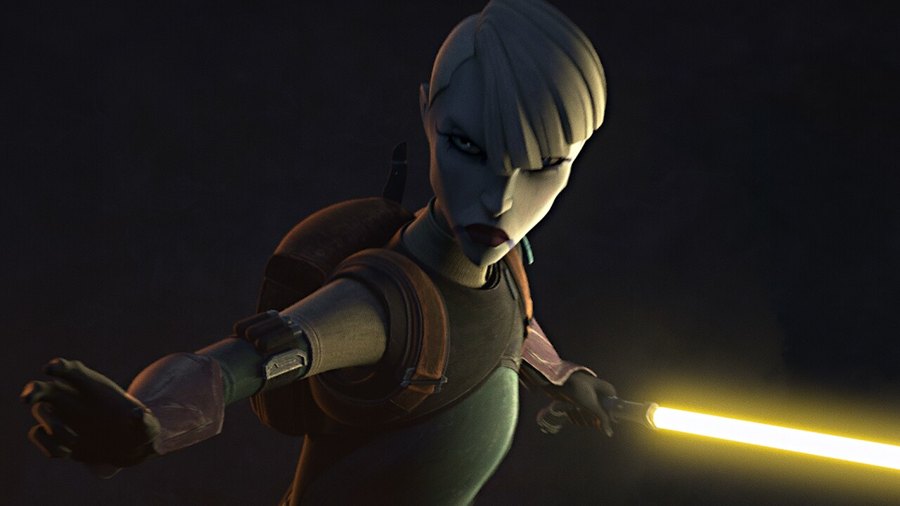

Canon · The Clone Wars; Dark Disciple; The Bad Batch; Tales of the Underworld
Archetype: Outsider
Sub-archetype: The betrayed assassin who reinvents herself
“But I’m not that person anymore. Now, I have a future.”
— Asajj Ventress, The Clone Wars, “Bounty” · Quote source
Ventress repeatedly loses the people and structures that give her a place in the galaxy. As a result, reinvention becomes more than a change of costume or occupation. Each new allegiance tests whether she can exist outside the uses powerful people have found for her. Her sharpness and capacity for violence remain, but so do unexpected choices toward connection and protection. I am drawn to that rough-edged development: change does not require her to become a gentler, less recognizable person overnight.
Why she stands out: Her successive reinventions reveal unexpected possibilities for loyalty and compassion while preserving the fierce personality that makes her unmistakably Ventress.
35. Barriss Offee
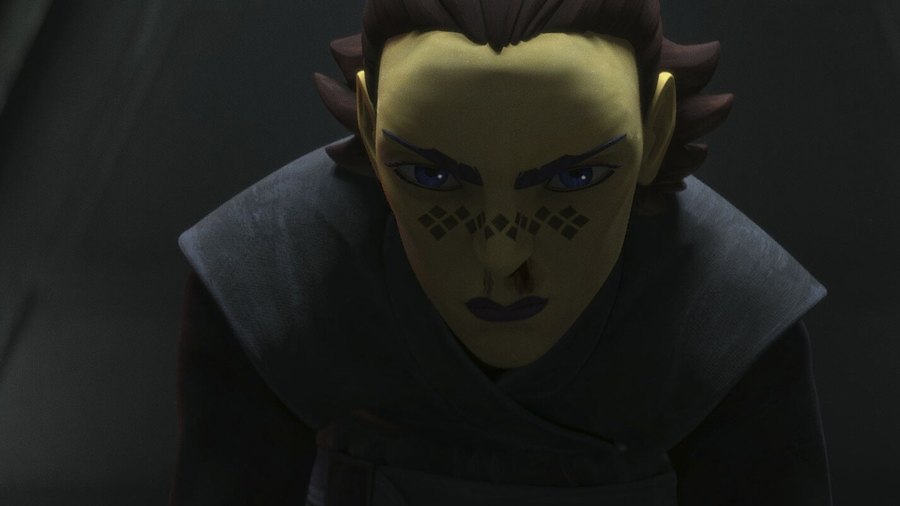

Canon · The Clone Wars; Tales of the Empire
Archetype: Disillusioned idealist
Sub-archetype: The fallen healer confronting her methods
“This Republic is failing! It’s only a matter of time.”
— Barriss Offee, The Clone Wars, “The Wrong Jedi” · Quote source
Barriss recognizes genuine corruption in the war, then commits an atrocity and frames Ahsoka in response. That distance between diagnosis and action is what makes her disturbing. Seeing a problem clearly does not grant moral authority to whatever method follows. Tales of the Empire adds another turn through her rejection of the Inquisitors and movement toward healing. I find the resulting tension valuable: a later compassionate choice matters, but it cannot make the earlier victims disappear.
Why she stands out: Her story confronts the dangerous gap between recognizing injustice and answering it justly, then asks what a meaningful change of direction might look like.
36. Trilla Suduri, the Second Sister
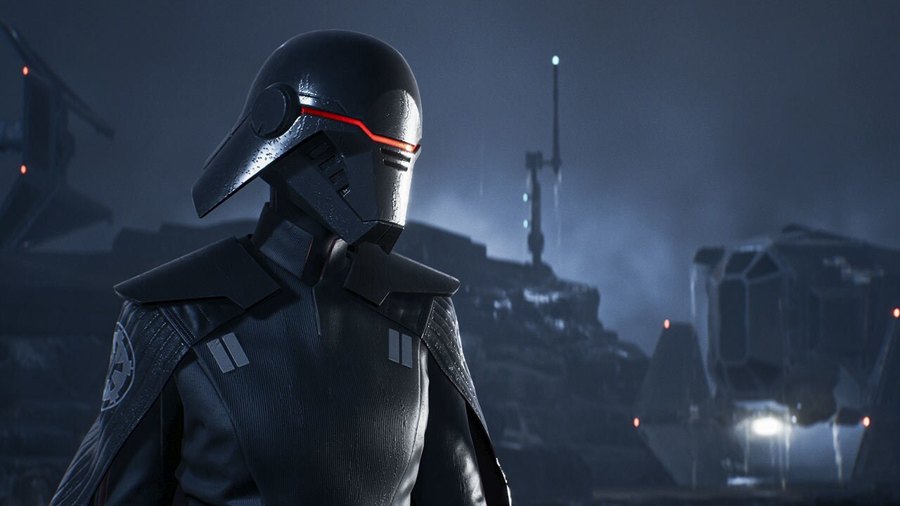

Canon · Jedi: Fallen Order
Archetype: Fallen guardian
Sub-archetype: The betrayed apprentice weaponized by an empire
“I’m stronger now because of the pain.”
— Trilla Suduri, the Second Sister, Jedi: Fallen Order · Quote source
Trilla’s threat becomes more personal as the history behind it emerges. Capture, torture, and her sense of betrayal by Cere have been exploited by the Empire to turn a Jedi survivor into an Inquisitor. Her confidence is therefore charged with injury as well as skill. What makes her memorable to me is the relationship at the center of the conflict. The final possibility of reconnection is brief, but it reveals how much of the person beneath the imposed role still matters.
Why she stands out: Her skill and menace are inseparable from a specific betrayal, making the conflict with Cere as emotionally charged as any lightsaber duel.
37. Osha Aniseya
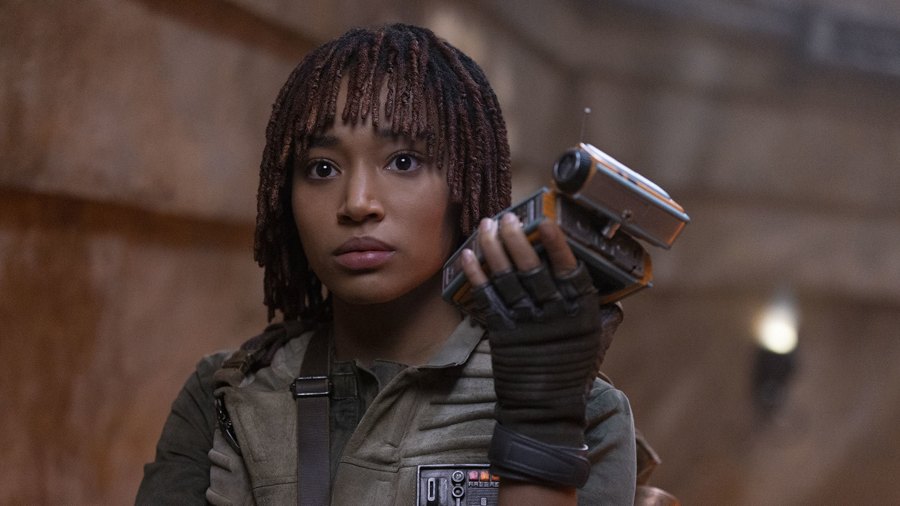

Canon · The Acolyte
Archetype: Seeker
Sub-archetype: The trusting apprentice whose foundation collapses
“Why didn’t you tell me?”
— Osha Aniseya, The Acolyte, finale · Quote source
Osha has built much of her understanding of herself around an account of childhood loss that is incomplete. When the truth about Sol and her mother emerges, it does more than change her opinion of a mentor: it destabilizes the story through which she has understood her life. I find that a strong basis for a fall, because the emotional mechanism is specific. Her longing for trust and explanation becomes dangerously entangled with anger and the offer of a different belonging.
Why she stands out: The collapse of her trust makes her turn toward darkness personal and painful, rooted in the discovery that her life’s foundation was incomplete.
38. Mae Aniseya
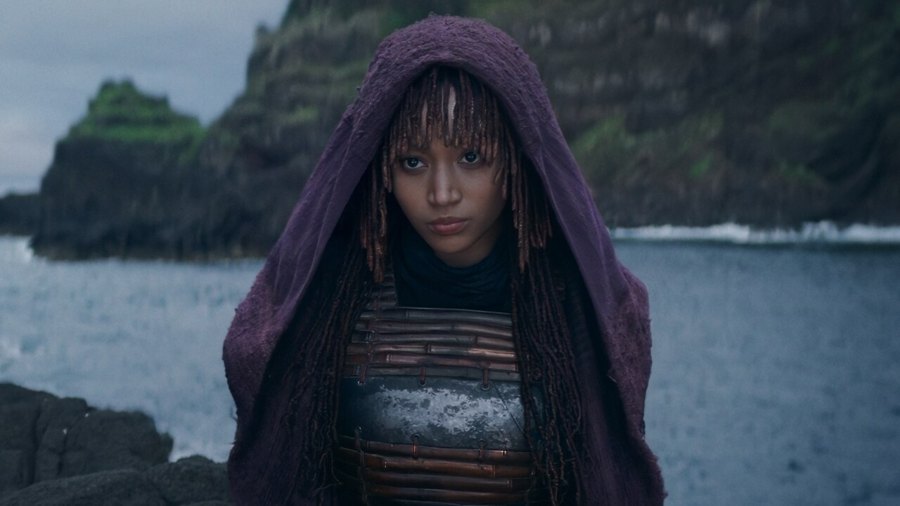

Canon · The Acolyte
Archetype: Avenger
Sub-archetype: The grieving sister divided between revenge and reunion
“We have unfinished business. Attack me with all your strength.”
— Mae Aniseya, The Acolyte, “Lost / Found” · Quote source
Mae initially appears to have a clear purpose: punish the Jedi she holds responsible for her family’s destruction. Learning that Osha is alive changes the emotional terms of that mission. Revenge and reunion are different desires, and pursuing one can endanger the other. That makes her more interesting than a fixed dark reflection of her sister. Their shared origin has produced different knowledge, loyalties, and interpretations, leaving each with something the other does not fully understand.
Why she stands out: Her desire for reunion complicates her revenge, revealing a sister whose deepest need cannot be satisfied simply by defeating her enemies.
39. Devon Izara
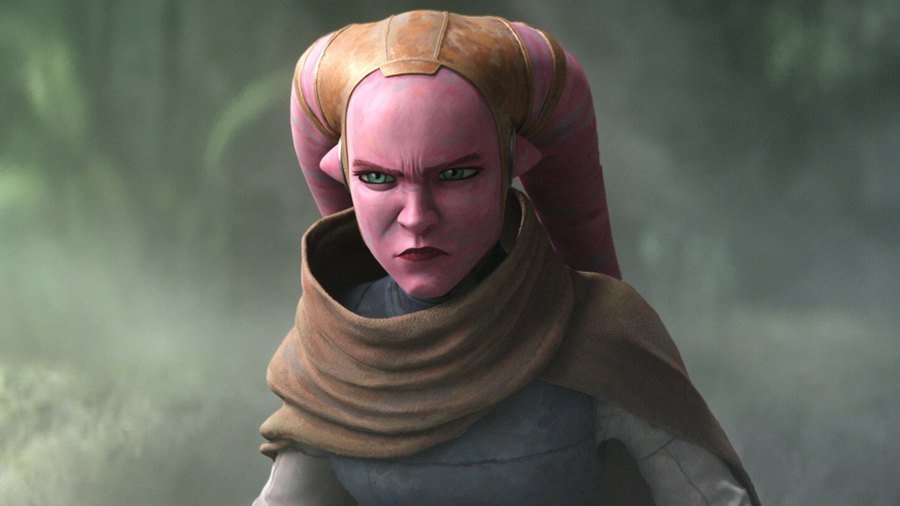
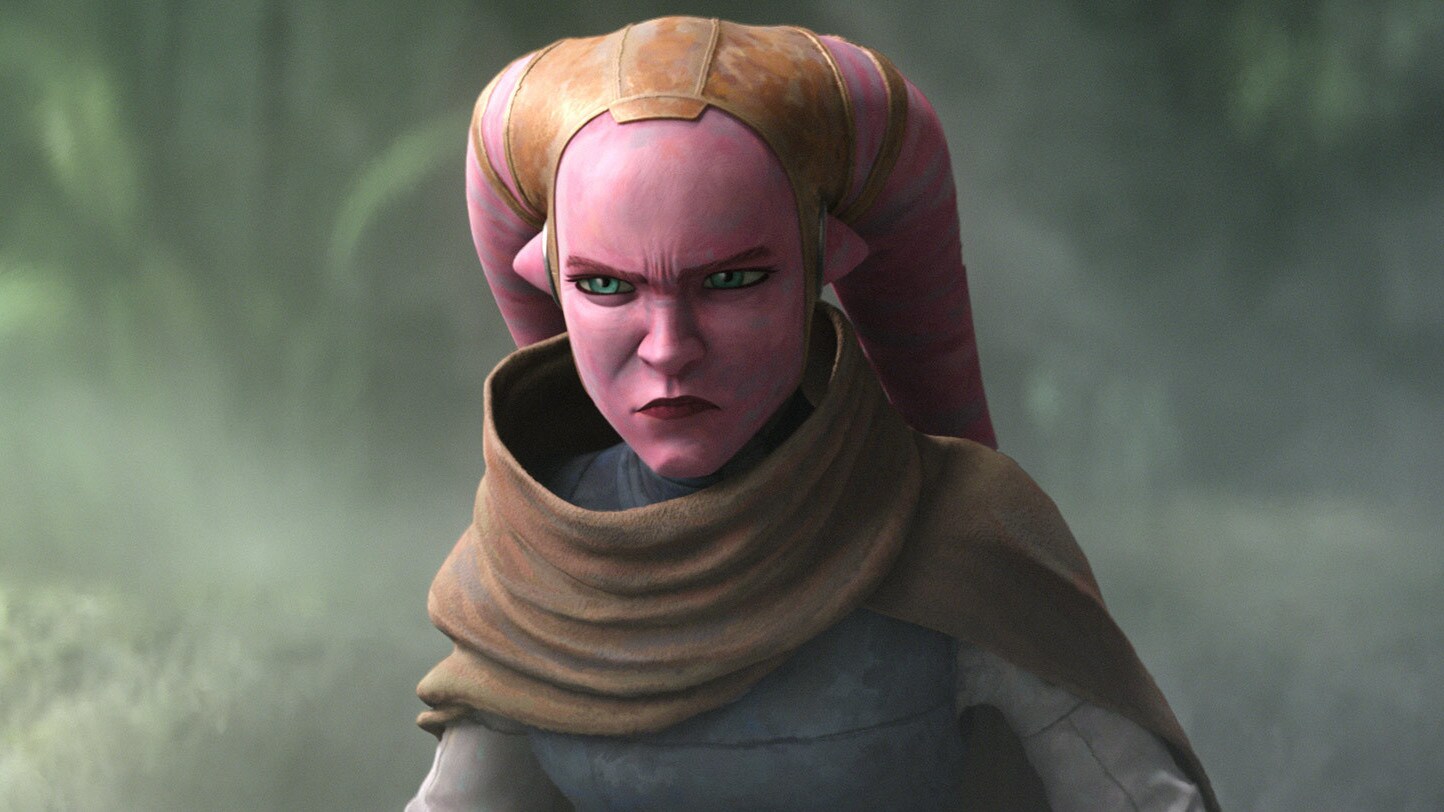
Canon · Maul: Shadow Lord
Archetype: Seeker
Sub-archetype: The hunted apprentice vulnerable to a dangerous promise
“Is this what our future holds? Always running.”
— Devon Izara, Maul: Shadow Lord · Quote source
Devon brings a painful question to the life of a Jedi survivor: what kind of future is possible if survival means hiding indefinitely? Her frustration makes her vulnerable to Maul’s attention and the alternatives he appears to offer. The bond with her master, Daki, gives that uncertainty an emotional center rather than leaving it as an abstract argument about Jedi teaching. What interests me is the space where legitimate fear and a desire for agency can be exploited by someone with very different intentions.
Why she stands out: Her fear of a future spent hiding makes her search for agency understandable, and the dangerous attention she receives all the more troubling.
40. Shin Hati
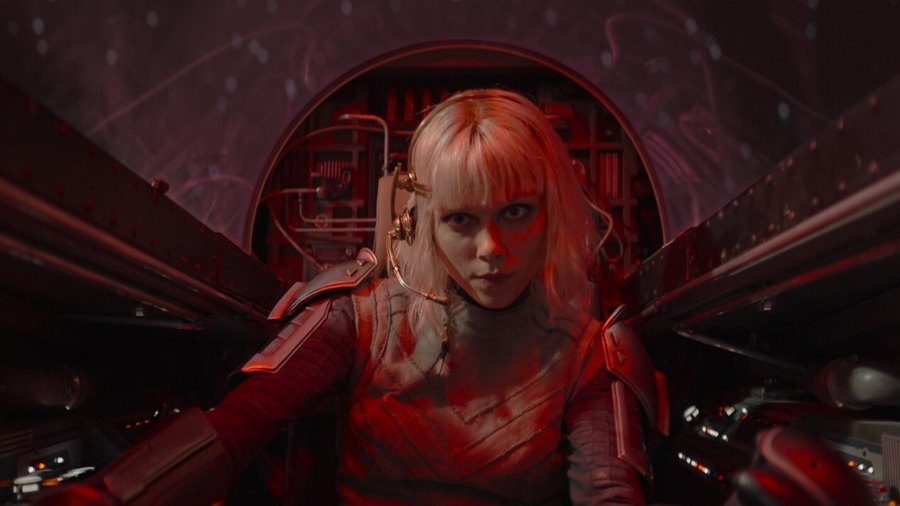

Canon · Ahsoka
Archetype: Seeker
Sub-archetype: The ambitious apprentice without a secure place
“You have no power.”
— Shin Hati, Ahsoka · Quote source
Shin interests me partly through what remains unresolved. Her intensity, relationship with Baylan Skoll, and attraction to power suggest a young woman searching for a place within a world whose larger plans are not fully hers. When their paths separate, that uncertainty becomes visible. I would not invent a complete psychology where the story has left questions open. Her appeal is in the tension already on screen: capability and menace coexist with dependence on a mentor whose purpose extends beyond her understanding.
Why she stands out: Her intensity and uncertain place beside Baylan create an intriguing tension between ambition, dependence, and a future she has yet to define.
Power, belief, and manipulation
Some of the most compelling female Star Wars characters challenge us through their ideas and methods. Fascination here does not mean moral approval.
41. Lana Beniko
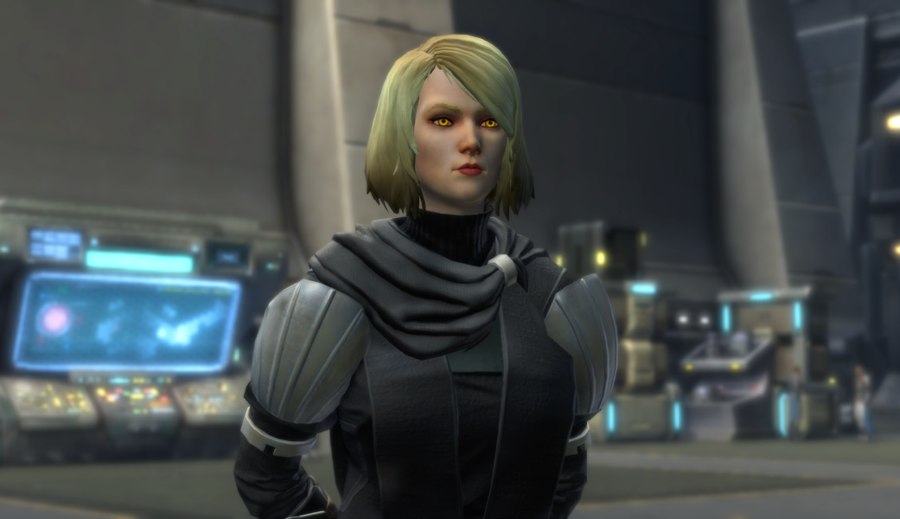

Legends · The Old Republic
Archetype: Strategist
Sub-archetype: The pragmatic Sith ally
“Knowledge, answers, truth, the Force: these are the things I hold dear. Titles don’t interest me.”
— Lana Beniko, The Old Republic · Quote source
Lana complicates the expectation that a Sith must constantly perform aggression to seem powerful. She listens, studies, plans, and forms relationships across conventional boundaries when the situation demands it. Her loyalty can be deeply appealing, but her pragmatism also accommodates ruthless decisions. That combination is what makes her interesting to me. Calmness and affection do not automatically translate into moral innocence, and ideological labels do not predict every choice a person will make.
Why she stands out: Her calm intelligence and loyalty make her an appealing ally, while her ruthless pragmatism keeps that appeal morally complicated.
42. Kreia / Darth Traya
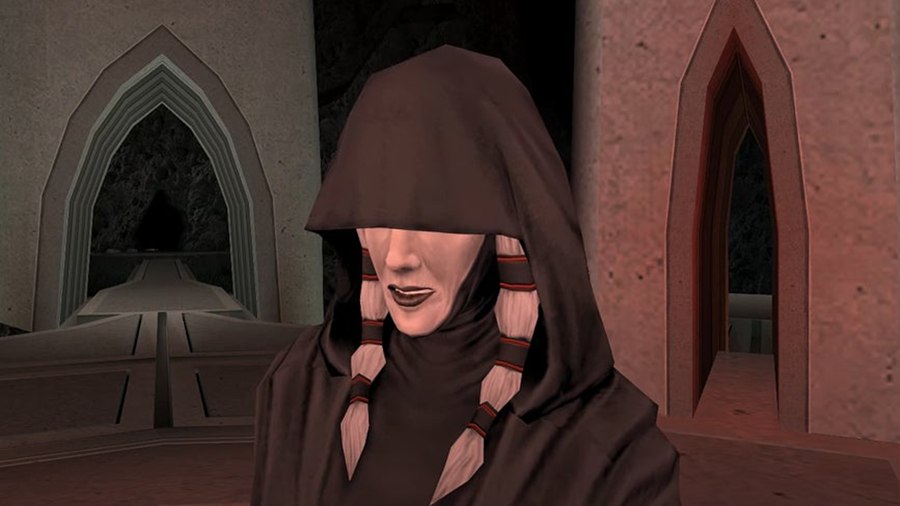

Legends · Knights of the Old Republic II: The Sith Lords
Archetype: Sage
Sub-archetype: The manipulative mentor who distrusts the system
“Learn from me, my mistakes, and use that knowledge to become greater than I.”
— Kreia / Darth Traya, Knights of the Old Republic II · Quote source
Kreia is fascinating because learning from her does not require accepting her as right. She challenges easy moral choices, demands attention to consequences, and exposes weaknesses in familiar explanations of the Force. She also manipulates people and tries to control the student she claims to make independent. That contradiction gives her philosophy dramatic life. I am inspired by the way her ideas become part of a relationship: every lesson is also an attempt to shape someone.
Why she stands out: She challenges comfortable assumptions while contradicting her own teachings, making her a mentor whose insights are as compelling as her motives are suspect.
43. Darth Zannah
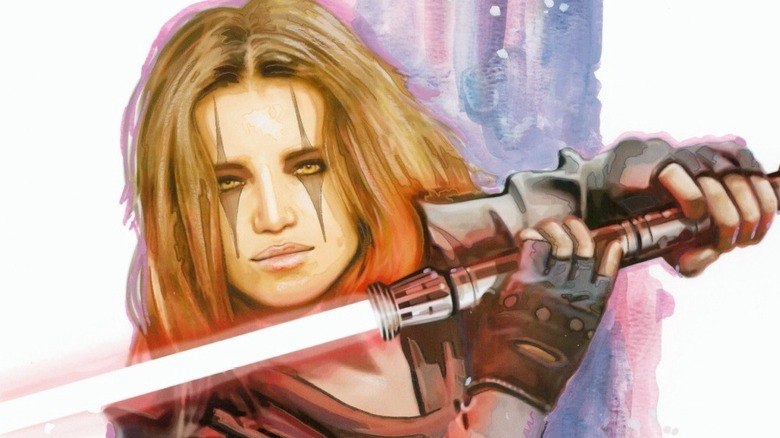

Legends focus · The Darth Bane trilogy
Archetype: Strategist
Sub-archetype: The patient apprentice who inherits a brutal system
“This is the way of our Order. An individual may die, but the Sith are eternal.”
— Darth Zannah, Darth Bane: Dynasty of Evil · Quote source
Zannah’s patience and Sith sorcery distinguish her from Bane rather than merely making her a smaller version of him. Her development invites us to watch someone learn the rules of a system and calculate when she is ready to seize its highest position. That is compelling without being admirable. The Rule of Two turns education into preparation for betrayal, so achievement carries a built-in moral cost. Her success continues the structure that shaped her.
Why she stands out: Her patience and sorcery distinguish her from Bane, while her rise exposes the cruelty of a tradition built around succession through betrayal.
44. Lumiya
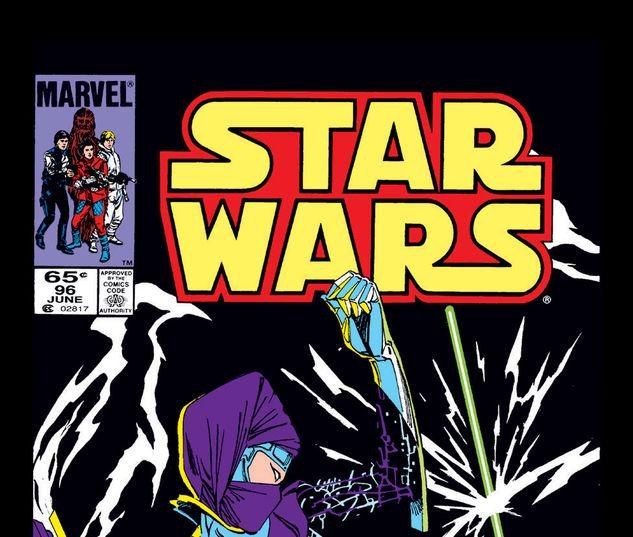

Legends · Marvel’s original Star Wars comics; Legacy of the Force
Archetype: Manipulator
Sub-archetype: The ideological corrupter
“Ah, revenge is sweet!”
— Lumiya, Star Wars comics, Legends · Quote source
Lumiya’s history as Shira Brie connects infiltration, personal grievance, and a later ability to influence others through ideas. Her role in Jacen Solo’s fall is especially compelling because corruption is presented through arguments about duty, sacrifice, and necessary action. She does not need every temptation to look selfish. What interests me is that persuasion can turn a person’s desire to do good into permission to cause harm. Her choices and ideology drive that danger, not her cybernetic body.
Why she stands out: She is dangerous because she can make destructive choices sound principled, turning another person’s sense of duty into a route toward corruption.
45. Dedra Meero


Canon · Andor
Archetype: Enforcer
Sub-archetype: The meticulous authoritarian
“I have dreamt of this.”
— Dedra Meero, Andor, “Make It Stop” · Quote source
Dedra is a strong reminder that professional competence is not the same as goodness. Her attention to detail and ability to connect information make her effective inside an institution devoted to repression. The obstacles she faces within the ISB do not transform her ambition into an admirable cause. I find her frightening because the writing lets us recognize intelligence, frustration, and determination while showing what those qualities serve. Her success means other people become less safe.
Why she stands out: Her intelligence and ambition make her frighteningly effective, showing how recognizable professional strengths can serve an oppressive and brutal institution.
Hope, creativity, and unseen guardians
Art, curiosity, loyalty, and compassion give these characters different ways to affect the world around them.
46. Sabine Wren
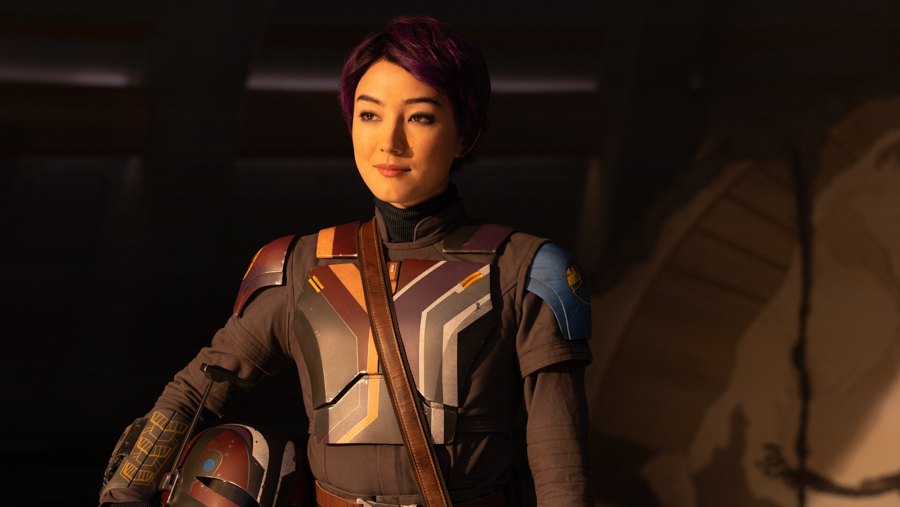

Canon · Rebels; Ahsoka
Archetype: Creator
Sub-archetype: The artist-warrior confronting her legacy
“They didn’t want me to ask questions either.”
— Sabine Wren, Rebels · Quote source
Sabine’s creativity gives her a form of expression that extends beyond combat. Color, symbols, and design become part of how she claims space and resists the Empire. But her technical ability also has a darker history: a weapon she created was turned against her own people. That connection between invention and responsibility gives her confidence a painful undertow. Her growth asks what a talented person owes others when the consequences of their work escape their original intentions.
Why she stands out: Her art, combat skill, and complicated legacy give her a distinctive identity, with creativity becoming both a means of resistance and a source of responsibility.
47. Omega
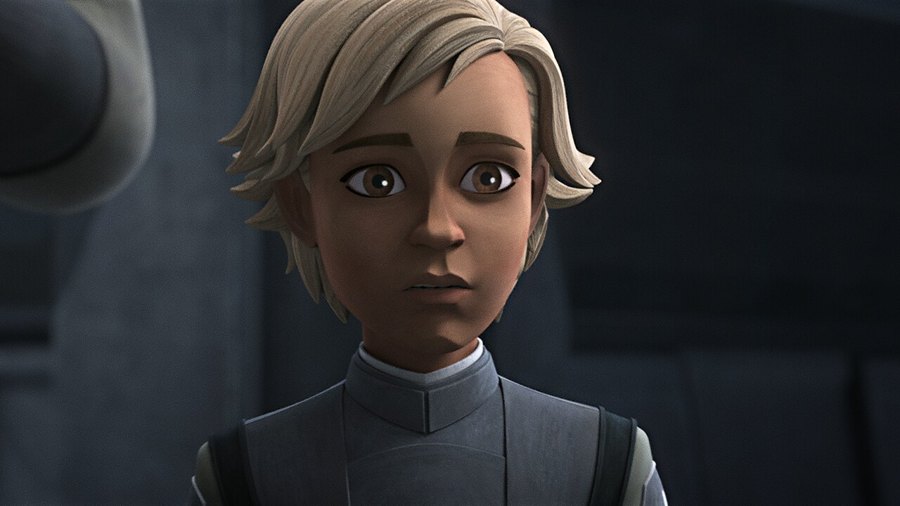

Canon · The Bad Batch
Archetype: Everyperson
Sub-archetype: The empathetic child who changes the family
“I think I’ll quit while I’m ahead.”
— Omega, The Bad Batch, “A Different Approach” · Quote source
Omega’s place among the clones could have made her someone the adults simply protect. Instead, her curiosity, growing resourcefulness, and insistence on seeing people as more than their assigned roles reshape the group around her. She learns from her brothers, but they also learn from her. I appreciate that her compassion produces action, including trust and risks that experienced soldiers might resist. The contrast between her engineered origins and her developing individuality makes belonging an ongoing choice.
Why she stands out: Her empathy changes the people who protect her. Curiosity and growing independence make her an active part of the family she helps create.
48. Jecki Lon
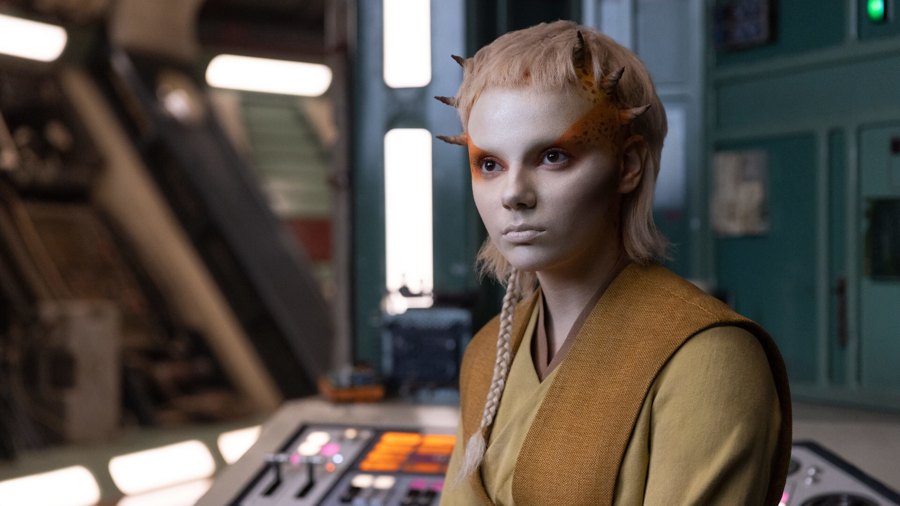

Canon · The Acolyte
Archetype: Apprentice
Sub-archetype: The poised learner with a curious mind
“It’s always an honor to get to witness anything or anyone transform into the Force.”
— Jecki Lon, The Acolyte, “Day” · Quote source
Jecki makes an impression through the combination of composure, ability, curiosity, and dry humor. She takes her training seriously without feeling like an empty recitation of Jedi rules. Her interactions with Osha show a young person interested in a life different from her own. I was saddened by her death, especially because we had only begun to see what she was capable of. I would have loved to watch her grow into the Jedi she had the potential to become.
Why she stands out: Her poise, dry humor, and curiosity establish a vivid young Jedi whose promise makes her brief story matter.
49. Sabé
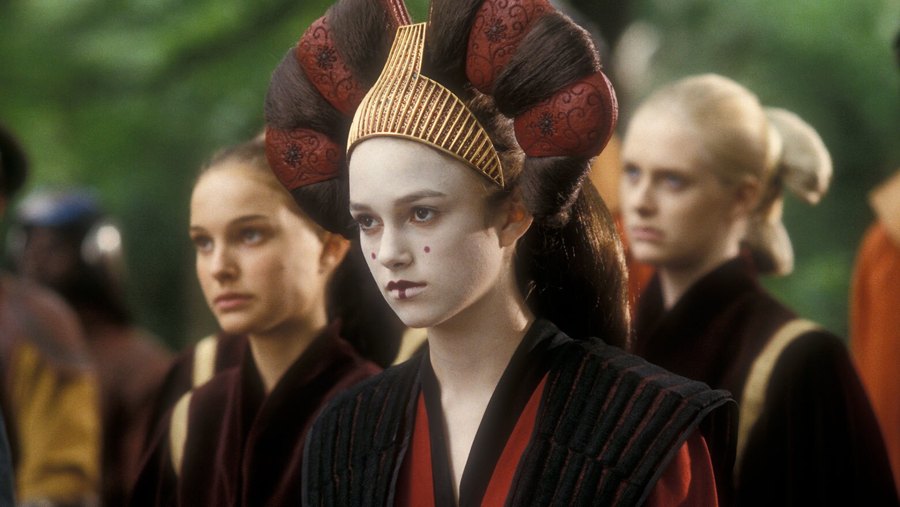

Canon · The Phantom Menace; the Queen’s novels; Darth Vader comics
Archetype: Guardian
Sub-archetype: The shadow counterpart with her own convictions
“But my hands are yours for as long as you need them.”
— Sabé, Queen’s Shadow · Quote source
Sabé’s role as Padmé’s decoy makes identity a practical matter: she must become convincing enough as another person to keep that person alive. Yet her importance exceeds resemblance. Training, judgment, trust, and shared political purpose make the relationship work. Her later search for answers after Padmé’s death gives that loyalty another direction. What draws me in is the person beneath the disguise: someone with her own convictions, willing to take immense risks for a cause and a woman she believes in.
Why she stands out: Her loyalty is an active choice requiring intelligence, courage, and skill, making her much more than a resemblance to the woman she protects.
50. The Daughter of Mortis
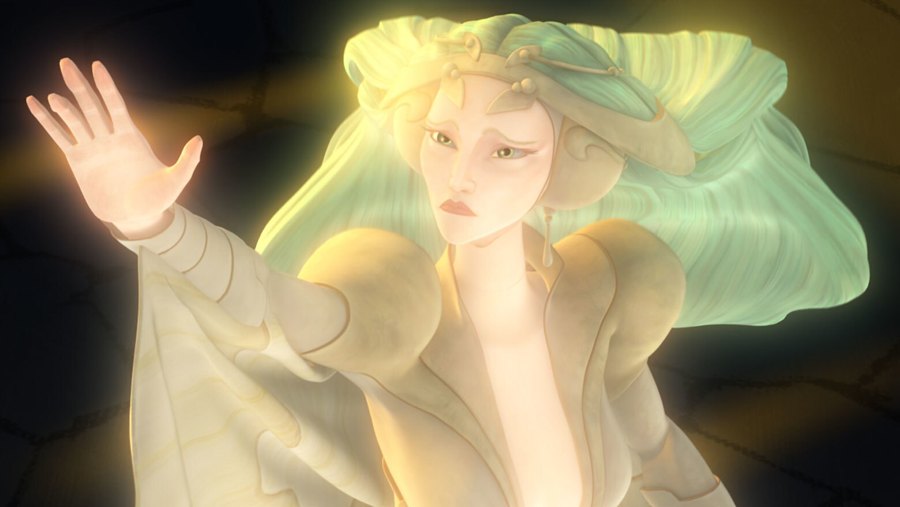

Canon · The Clone Wars, the Mortis arc
Archetype: Guardian
Sub-archetype: The mythic embodiment of compassion
“Do not hate him, Father. It is his nature.”
— The Daughter of Mortis, The Clone Wars, “Altar of Mortis” · Quote source
The Daughter operates on a different scale from the soldiers, politicians, and survivors elsewhere in this list. She embodies the light side within the mythic family of Mortis, yet her compassion is expressed through relationships and sacrifice. That gives an abstract idea an emotional form. I am drawn to how a symbolic character can still affect us through a concrete choice. Her mercy is meaningful as myth without becoming a demand that ordinary people excuse those who hurt them.
Why she stands out: Her compassion gives the mythology of Mortis an emotional center, expressing the light side through mercy, connection, and sacrifice.
What makes a great female Star Wars character?
The great female characters of Star Wars do not share one kind of strength. Leia’s defiance, Hera’s care, Merrin’s openness, and Kreia’s questioning affect us in very different ways. Nor does a memorable character have to be someone we would want to follow. Dedra and Vaylin hold our attention partly because their abilities and convictions can become so destructive.
What connects these 50 women is the range of experiences they bring into the galaxy. Their stories explore love, identity, grief, ambition, faith, responsibility, and belonging. A political negotiation can reveal as much courage as a duel. A quiet act of loyalty can matter as much as a spectacular display of the Force. Even a deeply wrong choice can make us understand a character more clearly.
These are the women who appeal to me because they give us something to feel, question, admire, or wrestle with. Their stories invite inspiration without requiring agreement with every decision they make. That complexity is a large part of what keeps Star Wars worth returning to.
Which female Star Wars character means the most to you—and what is it about her personality or story that stays with you?